
Vandaag of morgen in huis

Kwaliteit gegarandeerd

Welkomstaanbiedingen ontgrendelen: GRATIS bezorging | Tot 80% korting | Gratis 30 dagen JoyPlus-proefperiode
Download de app
Whether you're in the supermarket aisle or browsing online, you've likely noticed a growing array of sugars: panela, jaggery, coconut blossom sugar. Often marketed as a natural sweetener or an alternative to refined white sugar, it can be hard to know the difference. Which one is right for your dish or drink? Choosing the right one is key to perfecting the flavour of your recipe.
This article provides a practical guide. We'll explain what to look for when buying unrefined sugar and spotlight several standout products based on their unique characteristics and uses.
Unrefined sugar is sugar that is less processed than standard white granulated sugar. During the production of white sugar, the molasses—a syrupy byproduct—is completely removed. With unrefined varieties, such as unrefined cane sugar, some of this molasses is retained. This process results in a darker colour, a moister texture, and a more complex flavour profile.
The term 'unrefined' doesn't mean the product is completely unprocessed. The juice from sugarcane or the nectar from palm blossoms is boiled down to evaporate the water, allowing the sugar to crystallise. However, the degree of processing is significantly lower.
To make an informed choice, consider the following four criteria:
Origin and Type: The source of the sugar is crucial for its flavour.
Form: Unrefined sugar is available in various forms, each with its own level of convenience.
Flavour Profile: Unlike the neutral sweetness of white sugar, unrefined sugar has its own distinct flavour. Panela, for example, can have notes of caramel and fruit, while jaggery is often described as earthier and richer. Coconut blossom sugar has a light caramel flavour that doesn't taste like coconut. Choose a profile that complements, rather than overpowers, your dish.
Application: Consider what you will be using the sugar for.
Based on product features and applications, we have highlighted a selection of three different types of unrefined sugar.
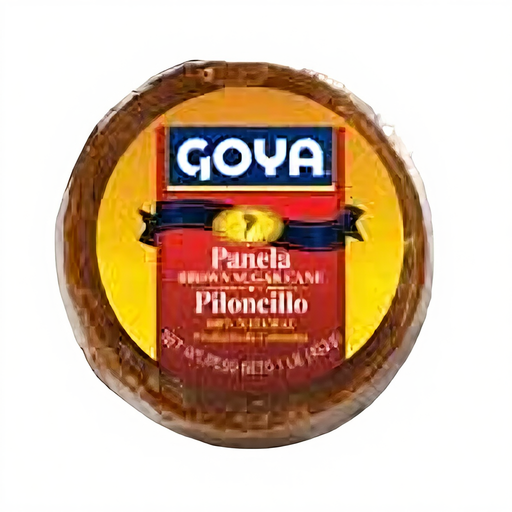
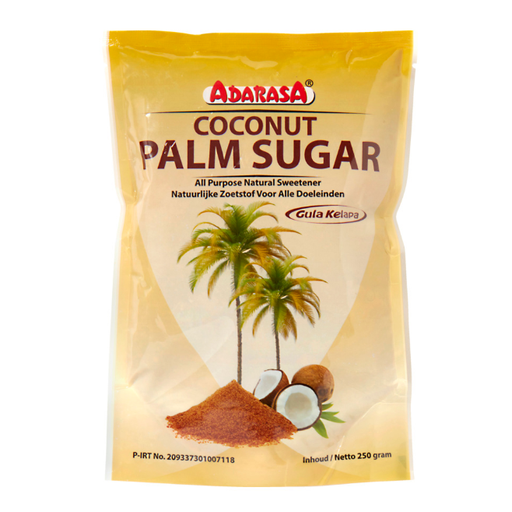
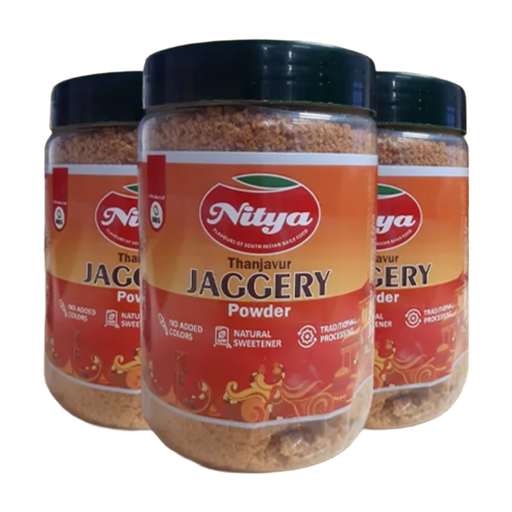
The products above offer a great starting point, but the range of natural sweeteners is much broader. Depending on your specific needs for baking, cooking, or sweetening drinks, other varieties or brands may be a better fit. Each sugar has a unique profile in terms of flavour, texture, and solubility.
Looking for a different variety or want to see the full range? Discover all our sugars.
Unlike white sugar, unrefined sugar contains trace amounts of minerals like iron, potassium, and calcium because the molasses is not completely removed. However, the quantities of these minerals are relatively small. The main component is still sucrose. From a nutritional standpoint, it is still sugar and should be consumed in moderation. The choice for unrefined sugar is often made for its richer flavour and less intensive processing.
Both panela and jaggery are unrefined cane sugars. The main difference lies in their geographical origin and traditional production methods, which can lead to subtle variations in flavour, colour, and texture. Panela is the name used primarily in Latin America, while jaggery (also known as 'gur') is the term used in South Asia. Panela's flavour is often described as slightly more fruity, while jaggery's is considered more earthy.
In many cases, yes, but there are a few things to keep in mind. Powdered unrefined sugar can often be used in the same ratio as granulated sugar. However, be aware that the flavour of the final product will change. Because unrefined sugar contains more moisture, it can slightly affect the texture of baked goods. When using a sugar block, you must first grate or melt it. It's advisable to start with a slightly smaller amount and adjust to taste.
