Choose toast for a university lunch based on what you need it to do, not because it says ‘premium’. A multigrain option is worth comparing if fibre is a priority; plain Melba toast is a good fit when the toppings take centre stage. If you need a gluten-free option, check the exact rice toast packaging for suitability and allergen information before serving it.
Who might find this choice useful?
Lunch shoppers keeping an eye on fibre
If toast is a regular part of your lunch, it’s worth checking which grains it contains and how much fibre and salt your chosen variety has per 100 g. The name ‘multigrain’ doesn’t necessarily mean the toast is wholegrain.
Anyone serving topped toast
A plain toast base can be handy for serving several small portions or setting up a self-service lunch. The number of pieces in the pack and how to store them after opening can also help you decide.
Shoppers looking for allergen-friendly or gluten-free options
For this group, the information on the exact packaging is key. Check the ingredients, listed allergens and any warnings about cross-contamination before serving the toast.
What should you look for?
Plain Melba toast, multigrain toast and rice toast each have a different role to play at a lunch with toppings. Decide what matters most first, then compare the packaging and nutritional information for the specific product.
Multigrain toast
Choose it when: fibre matters in a toast base that’s served regularly.
Keep in mind: containing several grains doesn’t necessarily mean it’s made entirely with wholegrains or suitable for people with allergies.
Plain Melba toast
Choose it when: a range of toppings will bring the flavour to your lunch.
Keep in mind: a neutral flavour doesn’t tell you anything about fibre, salt or allergens.
Rice toast
Choose it when: you need a potential gluten-free toast option and the specific packaging confirms it’s suitable.
Keep in mind: gluten-free doesn’t automatically mean free from other allergens or high in fibre.
| What to consider |
What to check when buying |
Who is this important for? |
| Fibre and grains |
Compare the fibre per 100 g and check the ingredients list to see whether wholegrain cereals have been used. |
If toast is a regular part of my lunch, I want to know what’s in the toast itself, not just what it looks like. For around 42% of consumers, the grain and fibre content would be the top priority. |
| Toppings and portions |
Check that the flavour goes with the toppings and see how many pieces are in the pack. |
For a self-service lunch with a range of toppings, I need a base I can offer in small portions. Around 33% of consumers would put ease of serving first. |
| Allergens and dietary requirements |
Read the label on the exact variety, including any warnings about possible cross-contamination. |
When I’m choosing toast for someone with a dietary restriction, I need to be able to check whether that specific pack is suitable. For around 25% of consumers, allergen or dietary suitability would be their main concern. |
Common mistakes
-
Treating ‘premium’ as a product specification
A luxurious look or unusual flavour won’t tell you how much fibre or salt the toast contains, or whether it goes with the toppings you have planned.
First choose between a grain-based option, a plain base for toppings and an option for a specific dietary restriction. Then compare the ingredients and nutritional information per 100 g.
-
Assuming multigrain means allergen-friendly
The Van der Meulen Melba Meergranen Toast described by Jumbo lists wheat, oats, rye, sesame and soya. Even a plain variety can contain allergens.
For canteen service, record the allergen information for each variety you choose and check it again if the packaging or recipe changes.
-
Assuming every type of toast contains iodine
According to the Voedingscentrum, there’s no requirement to bake bread with baker’s salt. So you can’t tell whether baker’s salt has been used just from the type of product.
Check the ingredients list for the specific toast if baker’s salt is important to your choice.
-
Using an old product page to plan your order
A flavour or recipe you looked at previously may not match the packaging you eventually receive.
Check the current product information when ordering and read the label again when it arrives, especially if the ingredients or allergens determine your choice.
Relevant brands to consider
Van der Meulen / Melba
Van der Meulen offers Melba toast and rice toast as separate product ranges. This makes the brand relevant if you’re choosing between a classic base for toppings and a rice-based option.
- According to Jumbo’s product information, Van der Meulen Melba Meergranen Toast contains 45% wholemeal wheat flour and 7.5 g of fibre per 100 g.
- The listed allergens vary by product, so don’t treat Melba toast and rice toast as interchangeable.
Albert Heijn
AH Melba toast naturel is an example of a plain base for small portions with toppings.
- Albert Heijn lists this variety as containing 12 packs of 6 pieces of toast, which is useful if you want to plan how many packs to serve.
- The product information lists 1.93 g of salt per 100 g and allergens including wheat, barley and soya; check the packaging you receive.
Jumbo
Jumbo provides product information for both a Van der Meulen multigrain variety and its own tomato and basil toast.
- These varieties show why a plain grain-based option and a seasoned toast should be assessed separately for their ingredients and suitability with toppings.
- The product page for Jumbo Melba Toast Tomaat & Basilicum said this variety was no longer part of the online range; check what’s currently available before planning to use it.
Bolletje
Bolletje offers ciabatta snack crackers for eating on the go. They’re a related lunch option, but they aren’t Melba toast.
- Bolletje describes its ciabatta snack crackers as individually packed in pairs, which could be useful if you’re serving them separately.
- If you’re considering crackers instead of thin toast, compare the size and how you’ll serve them with toppings.
Toast options on Joybuy
These products are mainly Melba toast for serving with toppings, alongside a rice toast option. For each variety, check the packaging if portion sizes, nutritional values or allergens are important for your canteen lunch.
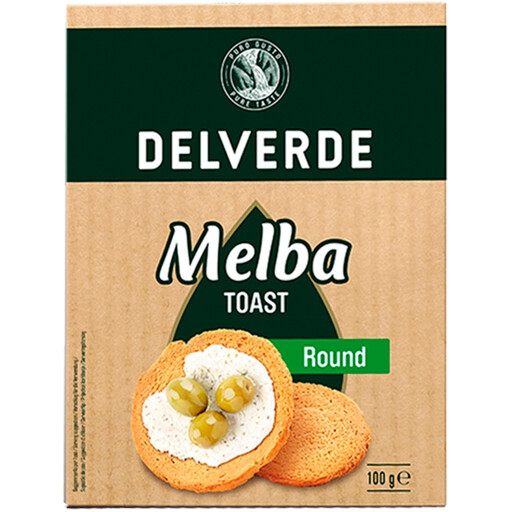 Image unavailable
Conimex Delverde Melba Toast Round, 100 g
A round Melba toast to consider if you’d like to serve a range of toppings.
100 g pack. If you’re serving a group, check the number and size of the pieces on the packaging.
The product information lists wheat and barley, with possible traces of sesame, soya and mustard. Check the label on the pack you receive before serving.
View on Joybuy
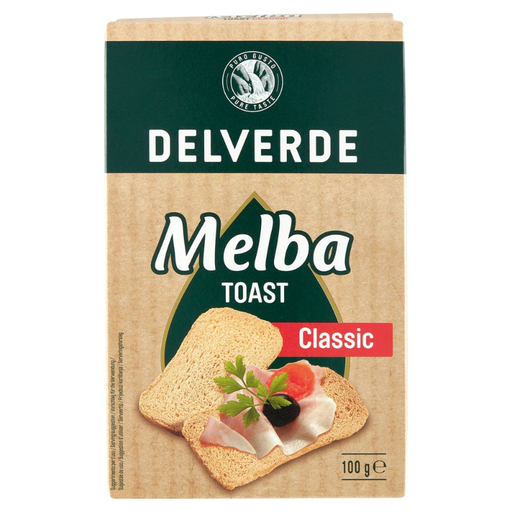 Image unavailable
Delverde Classic Melba Toast, 100 g
A classic Melba toast for anyone looking for a base to serve with a range of toppings.
100 g pack. Check how many pieces it contains if you’re planning portions for a group.
The product information lists wheat and barley, with possible traces of sesame, soya and mustard; check the label on the pack you receive.
View on Joybuy
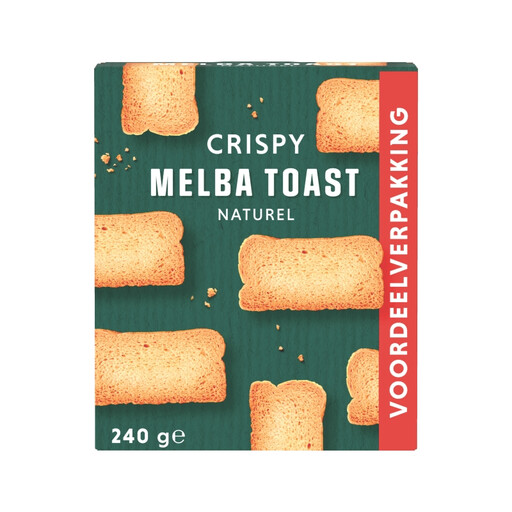 Image unavailable
Crispy Melba Toast, 240 g
A 240 g pack of Melba toast to consider if you want to serve toast with toppings. Check how many pieces it contains before planning portions.
The available allergen information is contradictory: it lists wheat, barley and soya lecithin, as well as possible traces of sesame, but also gives conflicting general allergen information. Don’t serve this variety to anyone with an allergen restriction unless the label on the pack you receive provides clear information.
Only compare nutritional values once you’ve checked whether they’re given per 100 g or per portion on the packaging.
View on Joybuy
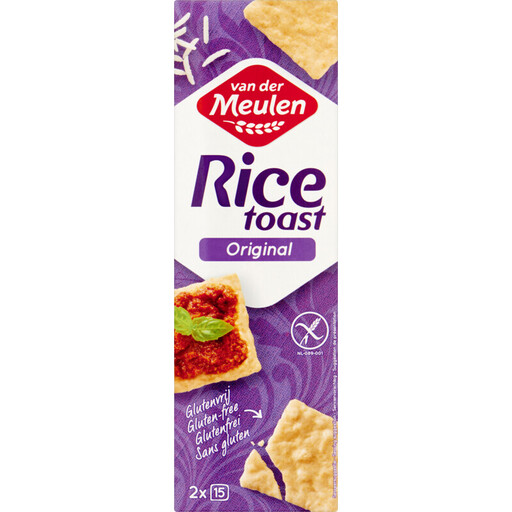 Image unavailable
Van Der Meulen Rice Toast Natural, 65 g
Rice toast to consider if you need a gluten-free option for lunch, provided the specific packaging confirms it’s suitable.
65 g pack. The product information says it contains two separate packs.
The description calls this toast gluten-free, but the information about sesame and soya is contradictory. Check the label and make sure it’s suitable for the dietary restriction in question before serving.
View on Joybuy
Frequently asked questions
Is multigrain toast automatically wholegrain?
No. ‘Multigrain’ means that several grains have been used, not that the toast is entirely wholegrain. Check the ingredients list and compare the fibre per 100 g. According to Jumbo, the specific Van der Meulen Melba Meergranen Toast contains 45% wholemeal wheat flour and 7.5 g of fibre per 100 g.
How should I check allergens in toast for a canteen?
Check the label for the exact variety and make sure its allergen information is available when you serve it. The Netherlands Food and Consumer Product Safety Authority states that allergen information must appear on the label of prepacked products. Don’t rely on information for a different flavour or pack.
Does toast always contain baker’s salt with iodine?
No. According to the Voedingscentrum, there’s no requirement to bake bread with baker’s salt. Check the ingredients list for your chosen toast if the use of baker’s salt is important to your purchase.
How can I keep toast crisp when serving it buffet-style?
Open packs as close to serving time as possible and follow the storage instructions on the packaging once opened. Ideally, add moist toppings just before serving. For AH Melba toast naturel, the guidance is to store it in a sealed tin after opening.


