
Vandaag of morgen in huis

Kwaliteit gegarandeerd

Welkomstaanbiedingen ontgrendelen: GRATIS bezorging | Tot 80% korting | Gratis 30 dagen JoyPlus-proefperiode
Download de app
A universal car charger with a retractable cable might seem like a straightforward purchase, but the differences between models are significant. A cable that's too short, a plug that doesn't fit snugly, or an exaggerated wattage claim can cause frustration on the road. This is especially true when you're using an iPhone 15, 16 or 17, or an Android smartphone with USB-C.
The following points will help you separate marketing speak from genuinely useful product specifications.
A 65W car charger won't automatically deliver 65W to your smartphone. The phone, the cable and the charging protocol all work together to determine how much power is actually used. A USB-C PD car charger is therefore only worthwhile if your phone supports USB Power Delivery.
According to the product description for the Oxerbog charger, the total output is a maximum of 65W at 20V. That's a specification of what the charger can supply; the actual charging speed may vary depending on the device.
USB-C is a connector type, not a guarantee that every charging protocol or device will work optimally. Always check whether the cable is suitable for your phone. The cable supplied with the Oxerbog is, according to the product information, intended for iPhone 15, 16 and 17, and Android devices with USB-C. The cable is not suitable for iPhone 14 or older models with a Lightning connector.
A car charger for iPhone 15 16 17 therefore typically needs a USB-C cable. For older iPhones, you'll need a Lightning cable and a compatible output port.
A retractable charging cable prevents loose wires in the centre console, but the retraction mechanism can wear out if you repeatedly use the cable at a sharp angle. Pull the cable straight out from the housing and let it retract smoothly. Don't yank the cord, and don't use the cable if the sheath or connector is damaged.
For modern smartphones, a USB-C PD car charger is a practical choice. PD stands for Power Delivery: a charging standard where the charger and device negotiate the available power. A higher maximum wattage is particularly useful for tablets or compatible laptops; for a smartphone, protocol support is more important than just the highest wattage.
Look out for these points:
A 65W car charger may be suitable for multiple devices, but always check the charging requirements of your smartphone.
A compact car charger for the cigarette lighter socket needs to fit securely in the 12V port without getting in the way of buttons, the gear stick or any flaps. According to the product description, the Oxerbog charger measures 4.5 × 4.5 × 1.7 cm. Check in your car whether the socket offers enough space, especially if it's recessed deep in the centre console.
An integrated cable of 70 cm can be handy when your phone is on the dashboard or in a phone holder. A separate cable of 1 to 2 metres offers more flexibility, but can get tangled more easily. Also consider the connectors:
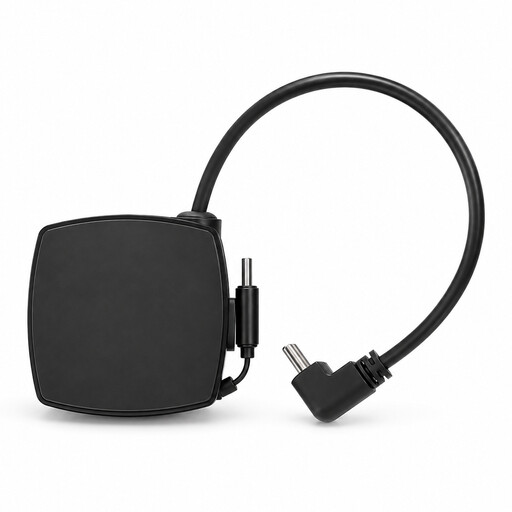
Why this fits the profile: This compact car charger combines an integrated cable with a self-adhesive phone holder. That's practical for commuters who want to keep their car tidy.
The cable stays neatly stored and, according to the product description, is 70 cm long. Just check beforehand that your phone uses USB-C.
Dimensions of 4.5 × 4.5 × 1.7 cm, a maximum of 65W according to the product information, and a supplied self-adhesive holder.
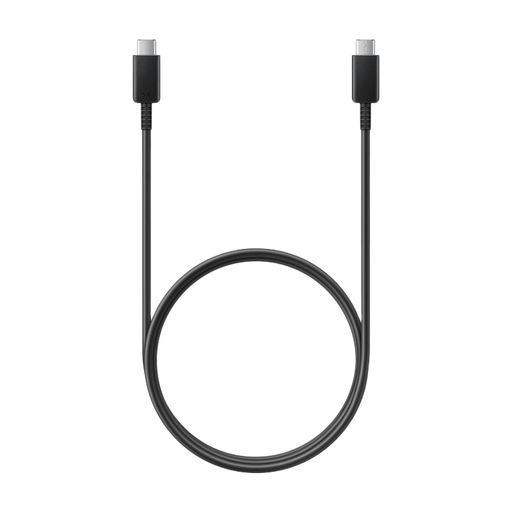
Why this fits the profile: Suitable as a separate spare cable for a USB-C car charger, home charger or power bank. Handy if you use multiple devices.
The fixed 1-metre length avoids a fragile retraction mechanism. Only use the cable with devices and chargers that support USB-C.
USB-C to USB-C, 1 metre long and, according to the product description, suitable for up to 60W with compatible equipment.
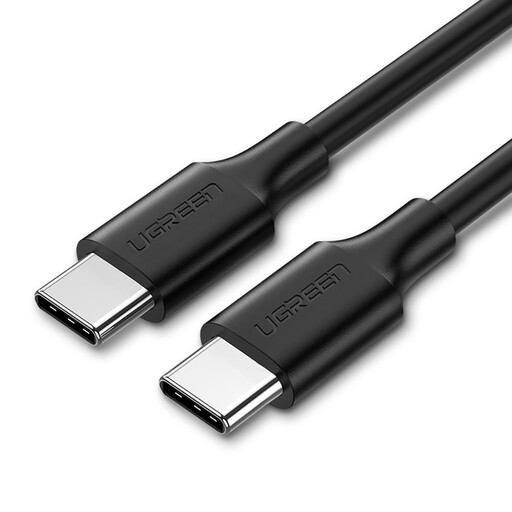
Why this fits the profile: A longer cable is useful when the 12V socket is far from the dashboard. This is a separate cable for use with a compatible car charger.
The cable has no integrated retraction system that could jam. According to the product information, it supports 3A and USB 2.0; the charger also determines the actual power.
2 metres in length, braided design according to the product description, and USB-C to USB-C connectors.
We've put together a full, up-to-date list of products that fully meet these strict selection criteria and comply with current European safety regulations.
Position the phone holder so that your view of the road is not obstructed. Attach a self-adhesive holder to a clean, flat surface and follow the manufacturer's instructions. A holder is not a substitute for hands-free use; set your navigation before you set off.
Do not use a car charger if the housing, cable or connector shows signs of damage. Also be mindful of heat in a parked car. High temperatures can shorten the lifespan of electronics and cables. Product claims about protection against overheating, overcurrent or overcharging should be read as information from the manufacturer, not as a guarantee for every situation.
It can, provided the charger supports USB-C and the supplied or separate cable is suitable for USB-C. For the Oxerbog charger, the product information states compatibility with these iPhone models and Android devices. Always check the port and charging standard of your specific device.
The lifespan depends on how it's retracted, the pulling force, heat and storage. Pull the cable straight out, let it retract gently and avoid sharp kinks. Replace the cable as soon as you notice fraying, loose connectors, heat build-up or intermittent charging.
The maximum wattage doesn't directly determine the cost. Energy consumption depends on the power your phone actually draws and the charging time. A 65W charger can support more devices, but a smartphone will usually only use the power it needs.
