If you don’t have a screen yet and want to combine your computer and screen in one setup, consider an all-in-one. If you already have a screen, a mini PC is a sensible option to compare. For Xcode testing, the required macOS version is what matters, while a tower is worth comparing if expandability is a priority. Whichever option you choose, count the sockets needed for your complete workstation: the computer, screen and peripherals.
Who is this choice relevant to?
Developers with one spare socket
You don’t have a screen yet and want to know whether you can combine your computer and screen in one all-in-one setup. Brandweer Nederland advises against connecting extension leads together without good reason; Dell Nederland describes the Pro 24 QC24251 as an all-in-one.
Developers with an existing monitor
You’re looking for a compact computer for coding, an IDE and local testing, and want to check in advance what’s included. Lenovo Nederland states that the screen, keyboard and mouse are sold separately for the ThinkCentre neo 50q Gen 5; ASUS describes the NUC 15 Pro as a kit without a pre-installed operating system.
Developers with a specific test environment
The software you need may determine your choice: for example, a Windows or Linux workflow, containers or Xcode for Apple platforms. Apple Developer publishes the system requirements for Xcode; check those for the version you want to use.
Which buying considerations matter?
All-in-one
A good fit if: you need a screen and want to choose a computer and screen as one setup.
Bear in mind: the screen and computer make up the setup you choose; you can’t replace the screen on its own.
Mini PC with an existing screen
A good fit if: you already have a suitable screen and want to put together a compact PC.
Bear in mind: the screen will usually need its own mains socket; a kit may also be missing memory, storage or an operating system.
Mac mini
A good fit if: your test environment requires Apple platform software such as Xcode.
Bear in mind: you’ll still need a separate screen, and the required macOS version depends on your version of Xcode.
Tower desktop
A good fit if: expandability matters more than a compact setup; HP describes the Pro Tower 400 G9 as an expandable business desktop.
Bear in mind: a separate screen and peripherals are still part of your workstation.
| Consideration |
What to check before buying |
Who should pay particular attention? |
| Mains sockets |
Count the sockets needed for your PC, screen and other devices; check whether you already have a screen. |
I mainly want to know how many sockets my complete workstation needs. Around 36% of consumers prioritise the number of mains sockets. |
| Local testing tasks |
Check the memory and storage of the exact configuration, and make sure you can use your IDE, builds and any containers on your chosen system. |
If I’m running an IDE, builds and local test services at the same time, I want to choose a configuration to suit. Around 29% of consumers prioritise these local testing tasks. |
| Software compatibility |
Check the required operating system and the current requirements for Docker, WSL or the version of Xcode you use. |
My project needs to run its test environment on a particular platform; the PC’s form factor alone won’t meet that requirement. Around 21% of consumers prioritise platform compatibility. |
| Components and expandability |
Check what’s included, including memory, storage, operating system, screen and input devices; check the expandability of the exact configuration. |
I want to know in advance whether I can get started straight away or need to choose and install components myself. Around 14% of consumers prioritise a complete package or the option to expand later. |
What should you look out for when buying?
-
Assuming a small PC needs fewer sockets
A mini PC doesn’t replace your screen. For the Lenovo configuration mentioned, the screen and input devices are sold separately, so the complete workstation may need more sockets than the computer alone.
Before buying, work out which devices you’ll connect and compare the complete setup with an all-in-one if you also need a screen.
A separate screen and any missing peripherals will need to be arranged separately.
-
Mistaking an adapter rating or model name for actual power consumption
The 90 W adapter rating for the Lenovo configuration mentioned and the 35 W figure in the Dell Pro 24 model name are not measurements of your complete workstation’s power consumption while testing.
Don’t use these figures to compare the power consumption or testing performance of complete setups without comparable measurements. Lenovo Nederland and Dell Nederland provide product or adapter specifications here, not measured power consumption during your workload.
-
Assuming a kit is a ready-to-use desktop
According to ASUS, the ASUS NUC 15 Pro kit reviewed is supplied without a pre-installed operating system, memory or storage.
Check the parts list and installation requirements, and compare them with a pre-configured PC.
If these components aren’t included, you’ll need to choose and install them yourself.
-
Connecting extension leads to create extra sockets
Brandweer Nederland advises using approved, undamaged extension leads and not connecting them together without good reason.
First check which safe sockets are available, then choose a suitable computer setup. Don’t use linked extension leads to solve a shortage of sockets.
Brands to compare
Lenovo
The ThinkCentre neo 50q Gen 5 Tiny is a pre-configured compact Windows desktop worth comparing if you already have a screen.
- The Dutch configuration 13B9007CEZ lists 16 GB DDR5, 512 GB SSD and a 90 W adapter, according to Lenovo Nederland.
- Lenovo states that the screen, keyboard and mouse are sold separately. The adapter rating is not a measurement of power consumption during testing.
Dell
Dell offers the Pro 24 QC24251 as an all-in-one and the Pro Micro as a separate mini desktop option.
- The Pro 24 is a configuration with a built-in screen, according to Dell Nederland.
- The 35 W figure in the model name is not a total measurement of the computer and screen’s power consumption. Compare configurations separately.
Apple
The Mac mini is a compact macOS option worth comparing when your test environment requires Apple platform software.
- Apple Nederland lists several Mac mini configurations with different memory and storage options.
- A separate screen is required. Check the macOS requirements for your version of Xcode with Apple Developer.
ASUS
The NUC 15 Pro kit is worth comparing if you want to configure a compact PC yourself.
- ASUS describes the NUC 15 Pro as a kit that you can configure yourself.
- For the kits reviewed, ASUS states that there’s no pre-installed operating system, memory or storage included.
HP
The Pro Mini 400 G9 and Pro Tower 400 G9 are two different desktop ranges that you can compare by configuration.
- HP describes the Pro Mini as a compact PC for workspaces and the Pro Tower as an expandable business desktop.
- These are manufacturer descriptions, not independent measurements of testing speed, noise or power consumption.
Joybuy product picks
These picks include all-in-ones with a built-in screen and Mac mini configurations for use with a separate screen. For each configuration, check that what’s included suits your development environment.
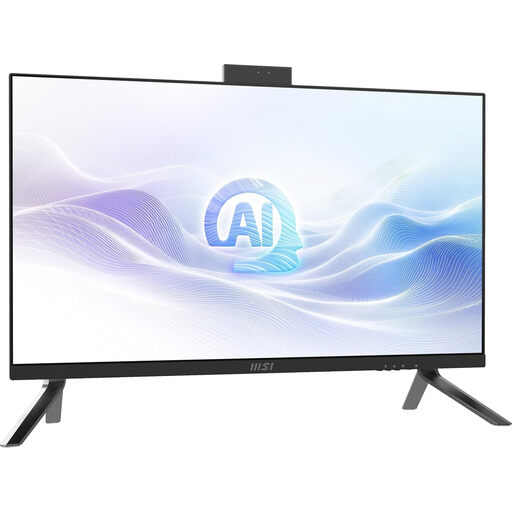 Image unavailable
MSI Modern AM273Q AI 1UM-058EU
An all-in-one to consider if you need a screen and want to choose your computer and screen as one setup.
Intel Core Ultra 7 155H, 32 GB DDR5, 1 TB SSD, Windows 11 Pro and an integrated 27-inch screen with 2560 × 1440 pixels. Wi-Fi 6E.
View at Joybuy
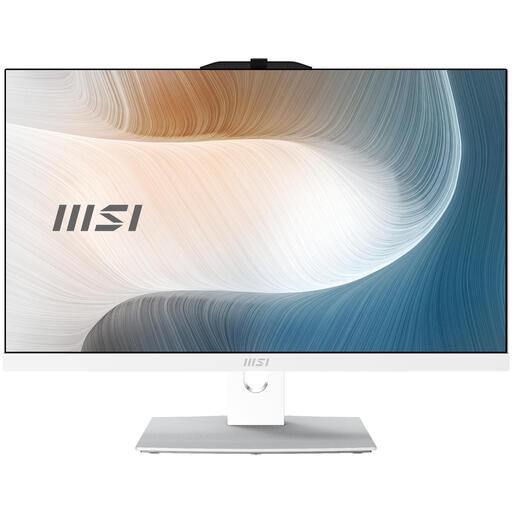 Image unavailable
MSI Modern AM242P 1M-1224EU
An all-in-one to compare if you want a built-in screen for your development workstation.
Intel Core 5 120U, 8 GB DDR5, 512 GB SSD, Windows 11 Pro and an integrated 23.8-inch screen with 1920 × 1080 pixels. Wi-Fi 6E.
According to the product information, the charger must be purchased separately.
View at Joybuy
 Image unavailable
Apple Mac mini M6, 16 GB, 256 GB SSD
A compact macOS desktop to consider when your test environment requires Apple platform software; a separate screen is required.
Apple M6 chip with 12-core CPU and 12-core GPU, 16 GB memory and 256 GB SSD. Check the macOS requirements for your version of Xcode.
View at Joybuy
Image unavailable
Apple Mac mini M6, 16 GB, 512 GB SSD
A compact macOS desktop to compare if you use Apple platform tools and already have a separate screen.
Apple M6 chip with 12-core CPU and 12-core GPU, 16 GB memory and 512 GB SSD. Check the macOS requirements for your version of Xcode.
View at Joybuy
Image unavailable
Apple Mac mini M6, 24 GB, 512 GB SSD
A Mac mini configuration to compare when you use Apple platform tools and want to connect a separate screen.
Apple M6 chip with 12-core CPU and 12-core GPU, 24 GB memory and 512 GB SSD. Check the macOS requirements for your version of Xcode.
View at Joybuy
Frequently asked questions
Do you always need a powerful desktop for unit tests?
No. Start with your project and the tools you want to use at the same time. If you run containers, also check the current requirements for your chosen operating system and software; the form factor alone doesn’t tell you how well your tests will perform.
Can you connect extension leads together if you have few sockets?
Brandweer Nederland advises using approved, undamaged extension leads and not connecting them together. Choose a safe connection first, then decide which computer setup will work with the sockets available.
What should you check after buying a mini PC?
Check that you can connect your screen and peripherals, and that the operating system and development tools are installed. The ASUS NUC 15 Pro kit reviewed doesn’t include a pre-installed operating system, memory or storage; that’s different from a pre-configured PC.
Does every programmer need a Mac mini?
No. A Mac mini is mainly an option if your testing workflow requires Apple platform software. Check with Apple Developer which macOS version you need for the version of Xcode you want to use.
Is the adapter rating the same as power consumption during your tests?
No. An adapter rating isn’t a measurement of your complete workstation’s power consumption during testing. Only compare complete setups using measurements taken under comparable conditions.


