
Vandaag of morgen in huis

Kwaliteit gegarandeerd

Welkomstaanbiedingen ontgrendelen: GRATIS bezorging | Tot 80% korting | Gratis 30 dagen JoyPlus-proefperiode
Download de app
A unisex waterproof outdoor jacket may seem like a simple choice at first. However, there are clear differences between a lightweight rain jacket for commuting, a hardshell jacket for trekking and a technical jacket for demanding mountain activities. Marketing terms such as “storm-proof”, “breathable” and “durable” also tell you very little if the underlying specifications are missing.
So, look out for these three common pitfalls:
Check whether the product information gives a hydrostatic head rating in millimetres. This indicates how much water pressure the fabric can withstand. Also check whether the seams are fully or partially taped. Even waterproof fabric offers less protection if rain gets in through the zips or seams.
For a walking rain jacket in the Netherlands, a well-fitting hood, adjustable cuffs and a water-repellent outer layer are all practical features. For prolonged downpours while trekking, a high collar and protection around the zip are useful too.
According to the product information, the PELLIOT models in this selection have a waterproof outer layer. However, no specific hydrostatic head rating is given. Treat this as product information and check the latest details on the product page before buying.
A breathable waterproof jacket allows water vapour from perspiration to escape. How well it works varies depending on the membrane, lining and construction. A mesh lining can make a jacket more comfortable to wear, but it won’t always prevent you from feeling clammy during a strenuous climb.
If you tend to get warm quickly, an outdoor jacket with ventilation zips can help. Long zips under the arms let heat escape without you having to open the jacket fully. This is particularly useful when walking uphill, cycling with luggage or mountaineering.
Don’t just look at the letter size. Compare the stated chest, shoulder and sleeve measurements with a jacket you already know fits you well. A unisex style may be roomier or cut differently from a traditional women’s or men’s style.
A trekking jacket should have room for a base layer and fleece. A jacket that’s too loose may be less comfortable in strong winds. For rocky terrain, woodland walks and camping, look for hard-wearing fabric and enough room to move your shoulders freely.
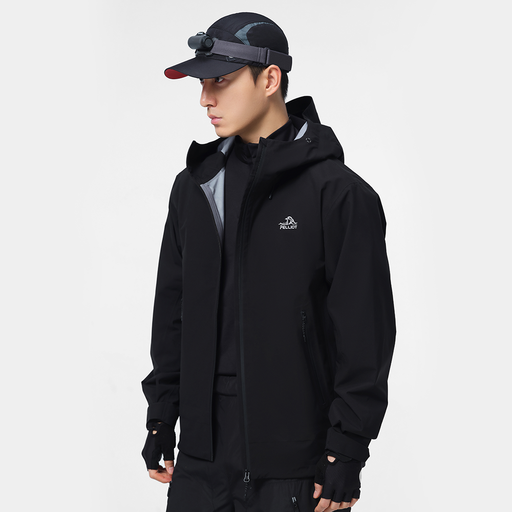
Why it suits this profile: This black unisex hardshell is a good choice if you’re looking for one jacket for rainy bike rides, walks and everyday outdoor activities. The product information describes a nylon or polyester blend with waterproof lamination and a mesh or technical lining.
The sizing details include the jacket length, chest, shoulder and sleeve measurements. This lets you check the fit instead of relying on the letter size alone.
A unisex fit, waterproof lamination according to the product description and a technical lining. Going up a size may be practical if you want to wear an extra layer.
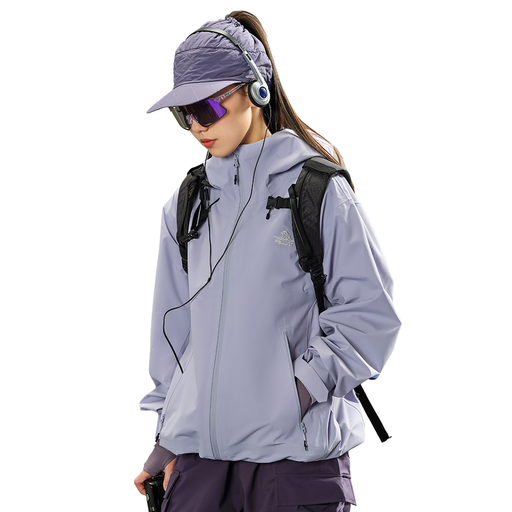
Why it suits this profile: This purple version is a good match for walkers and trekkers looking for a hardshell jacket with a practical techwear look, suitable for both trails and everyday wear.
The description highlights not only water and wind resistance, but also hard-wearing fabric and a breathable lining. These individual claims come from PELLIOT’s product information.
A mesh or technical lining, waterproof lamination according to the description and sizes from XS to XXL. The product information suggests considering a larger size if you’ll be wearing thicker mid-layers.
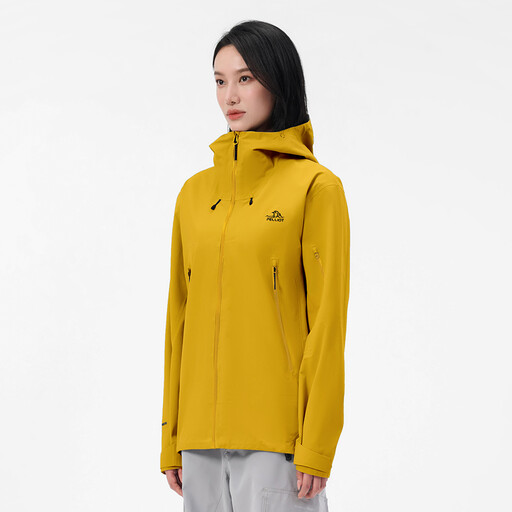
Why it suits this profile: This Pro version is designed for demanding activities, camping and variable conditions. According to the product information, it features longer underarm zips, a RECCO reflector and a sleeve pocket.
The ventilation zips give you a practical way to release heat. You can choose a size using both your body measurements and the weight-to-height guide.
Lighter, more flexible fabric according to the product description, longer underarm ventilation zips and an extra safety reflector for use in remote areas.
We’ve put together a complete, up-to-date list of products that meet these strict selection criteria and comply with current European safety regulations.
A waterproof jacket needs proper care to stay in good condition. Always follow the care label for your specific model. For PELLIOT jackets, the care advice includes washing on a cold, gentle cycle, avoiding fabric softener and leaving the jacket to air dry. Fasten the zips and hook-and-loop fastenings before washing to help prevent wear.
Don’t wash a hardshell more often than necessary. Dirt can affect the outer layer, but there’s no need to wash your jacket after every short walk. Don’t use bleach and avoid direct heat unless the care label specifically allows it. Over time, check the seams, zips and water-repellent outer layer.
If you’re looking for sustainable outdoor clothing, consider recycled materials, care instructions and how often you expect to use the garment. According to the product information, some PELLIOT models use recycled material in the outer fabric. This is a product feature, not a guarantee of a particular lifespan or a lower overall environmental impact.
Not necessarily. Unisex doesn’t mean every style fits the same way. Check the chest, shoulder and sleeve measurements, and allow room for a fleece or another mid-layer. If you’re unsure, the size guide is more useful than your usual clothing size.
Its lifespan depends on how often you wear it, how much friction it’s exposed to, how you wash it and how you store it. A jacket that often rubs against rocks, branches or rucksack straps will wear out faster than one used around town. Let it dry completely before storing it and follow the care instructions.
A rain jacket is often lightweight and designed for short showers or everyday use. A hardshell jacket generally has a more robust construction, a waterproof layer and greater emphasis on wind protection and ventilation. Always check the specific specifications, though: the name alone won’t tell you how much protection you’ll get.
