
Vandaag of morgen in huis

Kwaliteit gegarandeerd

Welkomstaanbiedingen ontgrendelen: GRATIS bezorging | Tot 80% korting | Gratis 30 dagen JoyPlus-proefperiode
Download de app
Unisex slippers are handy at home, in the bathroom, on the beach, when travelling and for guests. But the range can be more complicated than it first appears. A lightweight slipper may feel comfortable to walk in, but be less suitable for a wet tiled floor. A soft sole may feel cosy, but offer too little support for extended wear. And a universal guest slipper won’t necessarily suit every foot.
Use this buying guide to compare materials, fit, grip, drainage and care. That way, you can make a more informed choice between EVA slippers, bathroom slippers, comfortable house slippers and disposable guest slippers.
A size 42-43 doesn’t always tell you enough. One slipper may be narrow and close-fitting, while another is designed for wider feet. So, check the recommended foot length in millimetres. For example, some PUXI models list size 42-43 as 265 or 270 mm, depending on the design.
Ideally, measure your foot at the end of the day and compare its length with the size chart. If you’d like a little extra room, you could consider sizing up for models where this is an option. However, a slipper that’s too loose may slip off more easily.
A textured sole can help improve grip, but no slipper can make a wet floor completely risk-free. So, check how the tread is designed. Deep grooves, texture and drainage channels are more practical for the bathroom than a completely flat sole.
Also consider the type of flooring you’ll wear the slippers on. A sole described in the product specifications as suitable for wet surfaces may behave differently on smooth tiles, wooden floors or outdoor paving.
EVA is lightweight and easy to rinse, but drying time also depends on the shape. A closed footbed can trap water. Drainage holes or channels help reduce this problem. Leave wet slippers to dry somewhere well ventilated, and avoid leaving them in direct sunlight for long periods, as heat can warp the material.
EVA slippers are often lightweight, washable and suitable for the bathroom, beach and home. The models in this selection are made from a single piece or incorporate EVA components. This means fewer seams where dirt and water can collect.
For guests, hotels and spas, disposable slippers made from non-woven fabric are practical. They’re individually wrapped and designed for single use. For colder days, a lined mule may be a better fit: according to the product description, the LEE Robalo has a faux-fleece lining and a sturdy sole.
For bathroom slippers and shower slippers, these features are worth considering:
According to the product specifications, the PUXI Wave Bathroom Slippers combine a recessed footbed, a wave-patterned tread and drainage channels. This makes them a logical choice for wearing around the shower or basin, without suggesting that they can prevent slipping altogether.
If you’re looking for slippers for wide feet, it’s worth considering more than just the length. A wide upper, a roomier fit over the instep and a less tapered toe can all make a difference in practice. A raised toe can also help reduce bumps, but it doesn’t remove the need for a good fit.
Think about how long you’ll wear them, too. Thin, lightweight slippers are fine for short trips around the house. For everyday wear over longer periods, a thicker footbed with light support may feel more comfortable.
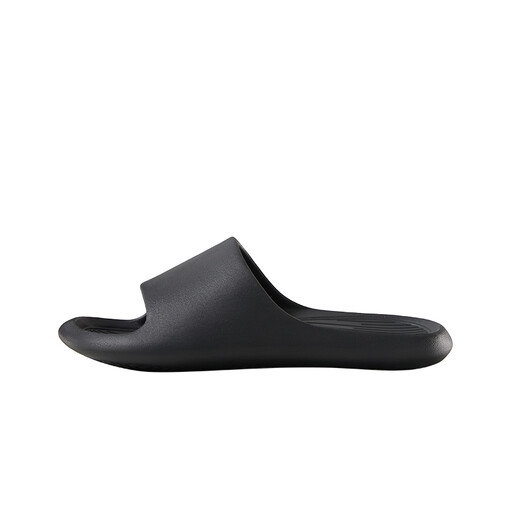
Why it suits this need: A simple EVA slip-on for home, the beach, the bathroom and short trips outdoors.
According to the product description, the wide banana-boat shape is designed for wider or fuller feet. Still, check your foot length before buying.
One-piece EVA construction, lightweight design, textured footbed and a slightly raised toe.
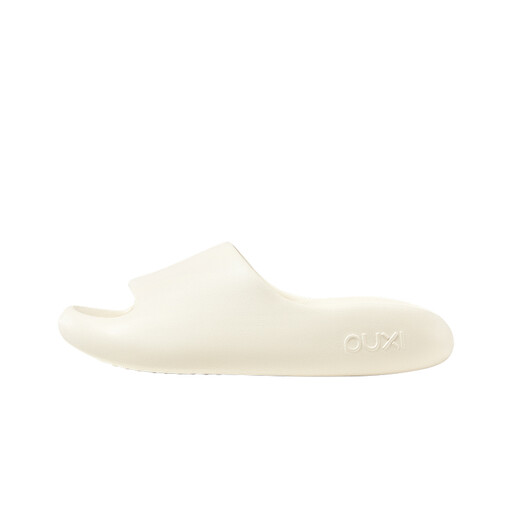
Why it suits this need: For anyone looking for a thicker footbed, a roomier fit over the instep and more cushioning for indoor and outdoor wear.
The product specifications list a recessed footbed, a full toe rim and a grid texture. This means the design doesn’t rely on a flat sole alone.
3 cm thick EVA sole, massage bumps in the footbed and a widened fit over the instep.
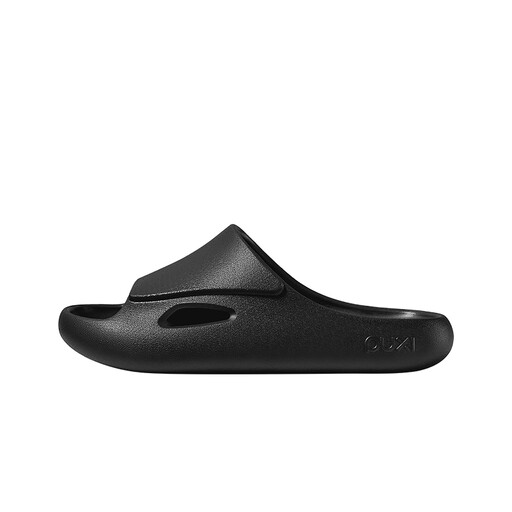
Why it suits this need: Designed for the bathroom and other places where water may get on the floor.
Drainage channels and a wave-patterned tread tackle two common problems: standing water and a sole without a clearly defined texture.
High-density EVA, a recessed footbed and an outsole with deep grooves and texture.

Why it suits this need: A practical single-use option for travelling, accommodation, salons or welcoming guests at home.
Individually sealed pairs make it clear that these are intended for disposable use. The universal size is convenient, but check that the fit suits your intended guests.
Non-woven material, a textured sole and individual packaging for each pair.
We’ve put together a complete, up-to-date list of products that meet these strict selection criteria and the applicable European safety requirements.
Rinse EVA slippers with lukewarm water and leave them to dry in the shade. For stubborn dirt, use a soft brush and mild cleaning product. Avoid prolonged exposure to direct sunlight and high temperatures, as these can affect the shape and flexibility.
Store disposable slippers unopened and somewhere dry. Replace reusable styles when the tread becomes visibly smooth, the sole is misshapen or the slipper no longer feels stable. How long they last depends on how often you wear them, the surfaces you walk on, moisture and how well you care for them.
Yes, as long as the size and fit are right for the wearer’s foot length. Unisex refers mainly to the design and sizing, not to one standard foot shape. So, check the width, fit over the instep and size chart.
Choose a style with a textured sole and water drainage. EVA bathroom slippers are easy to rinse clean. A treaded sole can help with grip, but always take care on wet or slippery tiles.
Rinse them with lukewarm water, use a soft brush with mild cleaning product if needed, and leave them to dry out of direct sunlight. Only put them away once they’re completely dry.
