
Vandaag of morgen in huis

Kwaliteit gegarandeerd

Welkomstaanbiedingen ontgrendelen: GRATIS bezorging | Tot 80% korting | Gratis 30 dagen JoyPlus-proefperiode
Download de app
The quality of our drinking water is generally high in most developed regions. However, a growing number of people are concerned about the invisible contaminants it may contain. Old lead pipes, traces of PFAS, and the taste of chlorine are all valid reasons to install an extra barrier of protection. An under-sink water filter is a convenient and effective solution.
But the market is flooded with promises. Many filters look alike, and marketing jargon makes it difficult to make an informed choice. Before you invest, it's crucial to understand two common pitfalls that can save you both money and disappointment.
To avoid a poor purchase, focus on a few key specifications. These determine the effectiveness and user-friendliness of your drinking water filter tap.
This is the most important factor for a reliable home water purifier. These American standards are globally recognised and indicate what a filter has been tested against. Look for the following codes:
Filter capacity (how many litres the filter can process) is important, but the flow rate (how quickly water comes out of the tap) determines daily convenience. A system with a flow rate that is too low can be frustrating when filling a pot or kettle. A good system balances a long lifespan with a practical flow rate of at least 2-3 litres per minute.
Based on these objective criteria, we have selected several products that suit different needs and situations.
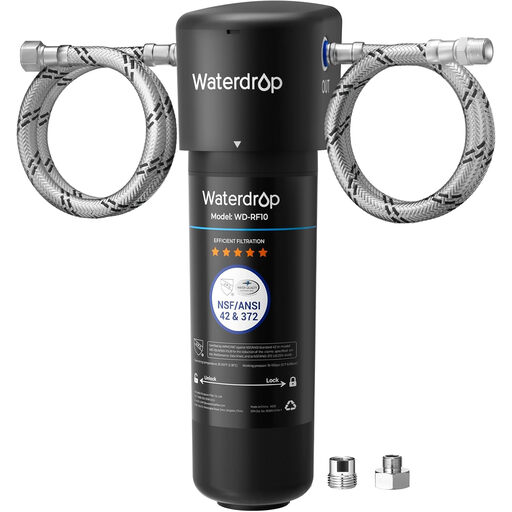
Why This Fits Their Persona: Ideal for those seeking a reliable, no-nonsense solution. The installation is straightforward and requires no permanent modifications, making it perfect for rental properties. It improves taste while simultaneously addressing serious concerns like lead and PFAS.
This system holds an NSF/ANSI 42 certification for chlorine, taste, and odour, and an NSF/ANSI 372 certification for lead-free materials. Its claims are therefore verified and not just marketing fluff.
Its high capacity (up to 30,000 litres) and long lifespan (up to 12 months) ensure low maintenance costs. The fast flow rate makes it practical for everyday use.
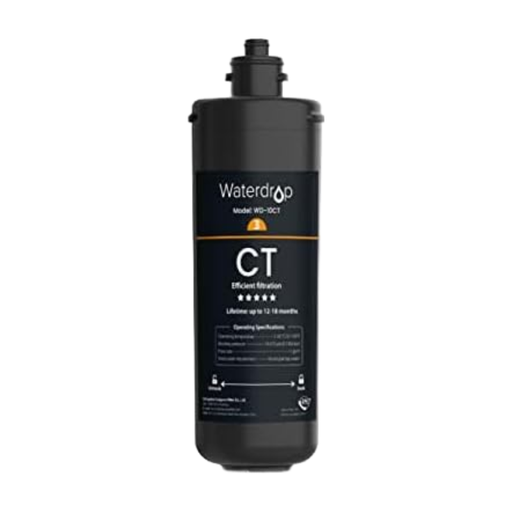
Why This Fits Their Persona: For families who want maximum peace of mind. This 3-stage system targets a broader range of substances, including chlorine, lead, chloramine, and fluoride. It's a comprehensive approach for those looking to optimise water quality for the entire family.
This system is certified by the WQA to the NSF/ANSI 42 standard. Its multi-stage approach using KDF media is an objective feature that goes beyond a simple carbon filter, substantiating its claims of broader purification.
The 3-stage filtration provides more thorough purification than a single filter. According to the manufacturer, the addition of KDF media helps inhibit the growth of impurities within the filter.
We have compiled a complete, up-to-date list of products that meet these strict selection criteria and local regulations.
The lifespan of a filter cartridge depends on the model, your water consumption, and local water quality. Most manufacturers recommend a replacement every 6 to 12 months. Systems like the Waterdrop 10UA have a lifespan of up to 12 months. Pay attention not only to the time frame but also to the maximum volume of filtered water specified by the manufacturer.
Yes, a slight reduction in water pressure is normal, as the water must pass through the filter media. Well-designed systems minimise this effect. A flow rate of 2.5 litres per minute or more is generally considered comfortable for most kitchen tasks.
While tap water in many regions is among the cleanest in the world, local issues can still exist. These include older homes with lead pipes or areas with higher concentrations of PFAS. In such cases, an NSF-certified water filter provides a verified, extra layer of protection. It gives you the assurance that the filter genuinely reduces the specific contaminants you are concerned about.
