
Vandaag of morgen in huis

Kwaliteit gegarandeerd

Welkomstaanbiedingen ontgrendelen: GRATIS bezorging | Tot 80% korting | Gratis 30 dagen JoyPlus-proefperiode
Download de app
A sports shirt that loses its shape after a few washes, leggings that slip down during squats, or a sweatshirt that gets too hot during the warm-up – these are all common buying mistakes. With Under Armour sportswear, the choice isn’t just about colour or brand name. Fabric, fit and intended use determine whether a garment suits your training.
Pay particular attention to three marketing pitfalls:
With moisture-wicking sportswear, the fabric draws perspiration away from the body according to the product description and dries relatively quickly. Always check the fibre composition:
Brand names for technologies, such as HeatGear or moisture wicking, are product claims. Use them as a guide, but also look at the actual composition and care instructions. According to the product description of the selected Under Armour models, features such as quick-drying properties, moisture wicking and odour control are mentioned. These are not guarantees for every wearer or situation.
For shirts, measure your chest circumference; for leggings or jogging bottoms, measure your waist and hips. Compare these values with the size chart for the specific product. An Under Armour men’s sports shirt with a regular fit can be looser than a women’s model with a fitted fit.
Look out for these terms:
Don’t automatically choose a larger size if you want more freedom of movement. With a stretchy model, that can actually cause creasing, slipping or a poorer fit.
Small details make a difference in use. Think of a racerback on a women’s sports vest, a high waistband on women’s sports leggings, pockets on jogging bottoms or reflective elements on a running shirt.
Also check the label:
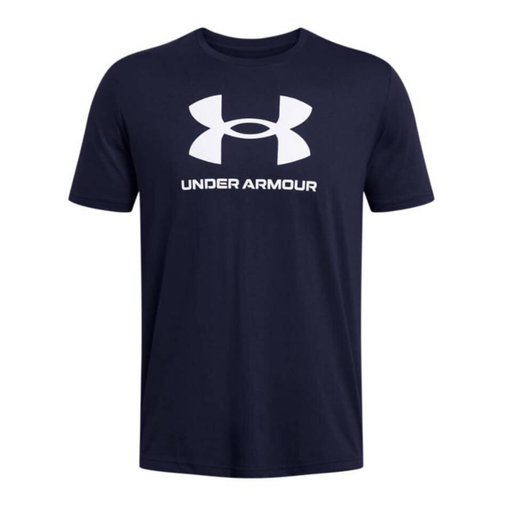
Why this fits the profile: This regular-fit Under Armour men’s sports shirt is designed for workouts, training and everyday wear. The cotton-polyester blend suits anyone looking for one shirt for multiple occasions.
The size chart lists a chest circumference of 94–104 cm for size M. This lets you check your choice rather than relying solely on the letter size.
60% cotton and 40% polyester; short sleeves; ribbed collar; regular fit.
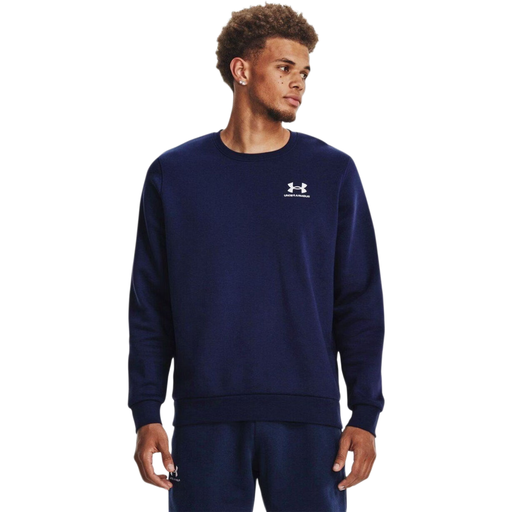
Why this fits the profile: This men’s fleece sweatshirt is suitable for gentle training, warming up, layering and casual wear. According to the product description, the brushed inner is designed for extra softness and warmth.
The mid-weight fleece is a clearly described layer. This helps avoid confusing this model with a thin running shirt for intense effort.
80% cotton and 20% polyester; ribbed collar, cuffs and hem; regular fit.
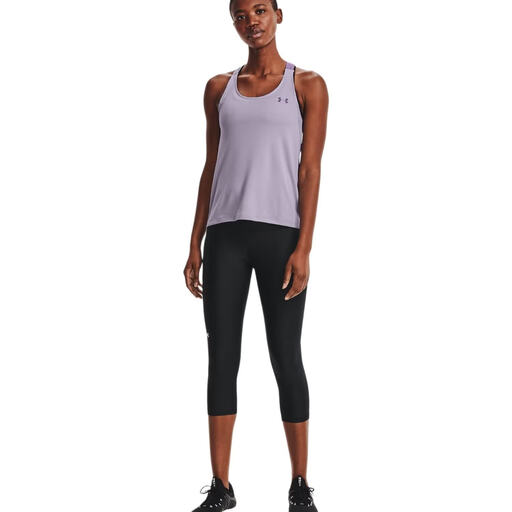
Why this fits the profile: These women’s sports leggings are designed for training, running and studio sessions. The 4-way stretch and high waistband are practical features for lots of movement.
The size chart gives waist and hip measurements. Check these before purchase to avoid a slipping or overly tight waistband.
87% polyester and 13% elastane; high waist; side pocket; inside leg length of 56 cm on the size chart.
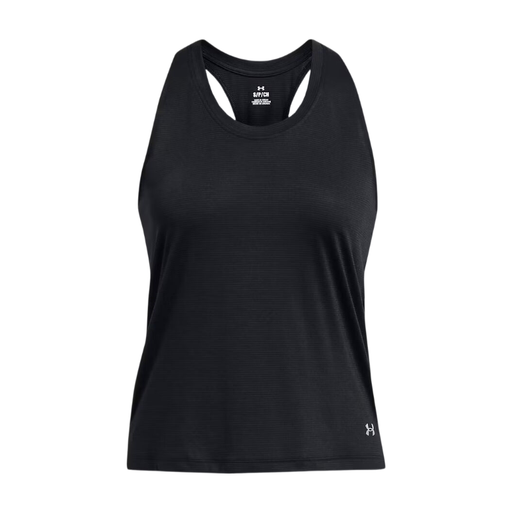
Why this fits the profile: This model is a women’s sports vest with a racerback, designed for running and workouts where free arm movement is important.
The fit is described as fitted. Therefore, choose based on your chest and waist measurements, not just on a previous purchase.
Racerback design; overlapping hem for ventilation; reflective details according to the product description.
For fitness and strength training, stretch, a stable waistband and enough room to move are important. A fitted vest or leggings can be practical when loose fabric gets in the way. For running, visibility also counts: reflective details are especially relevant if you often run at dusk.
If you’re mainly looking for an Under Armour men’s training shirt for the gym and everyday wear, you could consider a regular-fit shirt with a cotton blend. For rest moments, travel and warming up, a fleece crewneck is a better fit. Men’s jogging bottoms with an elasticated waist and drawcord offer adjustability; the Under Armour Rival Terry Jogger also has open hand pockets and a back pocket with a press stud, according to the product description.
When comparing similar models from Nike, K-Swiss or other sports brands, check the same points: fabric, size range, fit, intended use and care. That way, you’re comparing product specifications rather than just logos or discount labels.
We’ve put together a full, up-to-date list of products that fully meet these strict selection criteria and current European safety regulations.
That depends on the model. For running, choose a lightweight shirt or vest with a described quick-drying or moisture-wicking fabric. Also check the fit and any reflective details. A cotton fleece is more suitable for warming up or wearing after your run.
Measure your chest, waist and hips according to the product instructions and compare the centimetres with the corresponding size chart. Also pay attention to the difference between regular fit and fitted. The size chart for one model may differ from that of another model.
Always follow the care label. Many selected models recommend washing in cold water, washing with similar colours and drying on a low setting. Don’t use fabric softener if it’s advised against, and avoid ironing technical fabrics. This will limit unnecessary stress on fibres, prints and elastic components.
