
Vandaag of morgen in huis

Kwaliteit gegarandeerd

Welkomstaanbiedingen ontgrendelen: GRATIS bezorging | Tot 80% korting | Gratis 30 dagen JoyPlus-proefperiode
Download de app
An undated A5 planner is handy if you don’t want to start on 1 January or regularly skip weeks. Students, professionals and self-employed people can choose when to start using it. However, not every undated planner is equally practical. A flimsy cover, limited writing space or unclear layout could leave your purchase unused after just a few weeks.
So, look out for these three common pitfalls:
An A5 size is approximately 14.8 × 21 cm. It gives you more writing space than an A6 planner, while still being compact enough to fit in a rucksack, work bag or laptop bag. A5 is often a practical choice for a work and study planner, as you can note down both appointments and tasks without carrying a large desk-sized planner.
Also check the cover’s thickness and construction. A hardcover planner can stand up to daily use in a bag better than a flimsy cover. An elasticated band helps keep the planner closed, while a ribbon marker makes it easier to turn quickly to the current page.
Paper weight is measured in grams per square metre, or gsm. Jubiluu planners use 100g offset paper in an off-white colour, with ruled pages. That’s a specific detail to bear in mind when choosing your planner.
Also consider how the pages are laid out:
A planner with only calendar blocks is less suitable if you also want to keep track of goals, notes or study plans.
An undated planner has no pre-printed dates. You fill in the dates yourself, so you can start whenever suits you. This avoids leaving blank pages when you don’t plan for a few weeks.
According to the product information, the Jubiluu A5 Undated Hardcover is designed to last 18 months and contains 224 pages, divided across 112 sheets. Its layout includes a customisable opening page, undated monthly pages and undated weekly pages with a separate notes section.
Keep in mind that how long it lasts depends on how much space you need each day or week. If you write a lot, you may fill the planner sooner.

Why it suits this profile: The undated layout lets you start at any time. The A5 size gives you space for basic planning without having to carry a large planner.
The product information lists monthly and weekly overviews with space for notes. That means you’re not limited to small date boxes.
A5 size, hardcover, 100g offset paper, 224 pages, ribbon marker and elasticated closure.
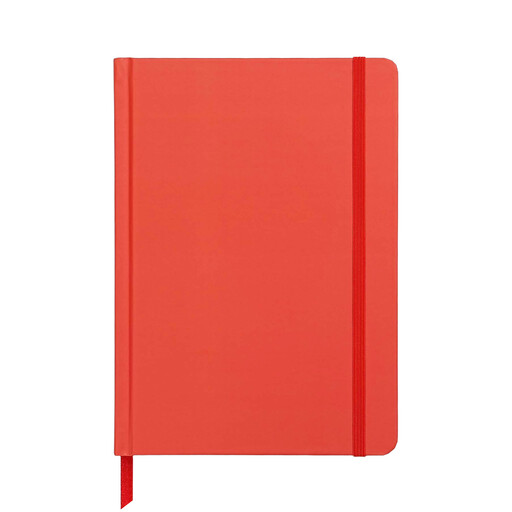
Why it suits this profile: This version combines the same practical layout with a bold colour. That can be handy if you want to spot your planner quickly in your bag.
The consistent combination of monthly pages, weekly pages and note boxes makes it easier to use than a planner with just one layout.
Hardcover, 100g paper, 112 sheets, 18 months without pre-printed dates and space for goal tracking.
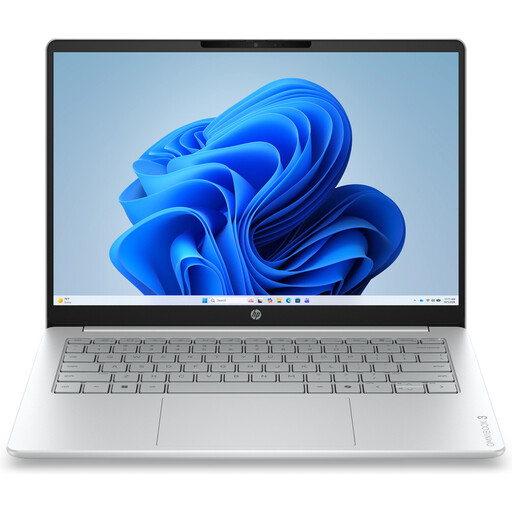
Why it suits this profile: If you mainly plan digitally for work or study, a laptop can be a useful addition for calendars, documents and spreadsheets. This is not a physical A5 planner.
You’re choosing digital planning instead of a paper diary. Just make sure a suitable calendar or notes app is available separately.
14-inch screen, 8GB LPDDR5 memory, 512GB SSD and Windows 11 Home. The product information states that the charger must be purchased separately.
We’ve put together a complete, up-to-date list of products that meet these strict selection criteria and the applicable European safety regulations.
Start by filling in the first page with your name, contact details or reason for using the planner. Then write the month at the top of a monthly spread and fill in the days of the week yourself. Start with the next week you actually want to plan. This helps keep unused pages to a minimum.
Its lifespan depends on how often you carry it around and how much you write in it. A hardcover and elasticated band can help keep the planner closed and protected. Store it somewhere dry and, according to the product information, wipe the cover with a soft, dry cloth. Avoid contact with liquids.
Yes, if you want monthly, weekly and note-taking space in one book. If you need to record lots of detail each day, a separate daily planner may be more practical. If you mainly work digitally, you can use a laptop, but bear in mind your software options and accessories such as a charger.
