
Vandaag of morgen in huis

Kwaliteit gegarandeerd

Welkomstaanbiedingen ontgrendelen: GRATIS bezorging | Tot 80% korting | Gratis 30 dagen JoyPlus-proefperiode
Download de app
A dated diary doesn’t always suit your studies, business or busy family life. An appointment gets cancelled, a project starts later than expected or you use your planner less for a while. With an undated A5 planner, you fill in the dates yourself, so you don’t waste blank pages on weeks when you had nothing to plan.
Yet many planners look much the same at first glance. Before you order, watch out for these common pitfalls.
The term 18-month planner sounds practical, but check how that period is laid out. For example, a planner might combine monthly and weekly pages but offer little space for daily notes. Check that the layout suits the way you work.
A hardcover planner looks smart and can offer better protection for the pages in your bag. But the cover tells you nothing about the writing space, paper thickness or layout. A planner with note space is more useful if you want to record tasks, ideas or reflections as well as appointments.
A colour such as sage green can look calm and neutral, but size, readability and ease of use matter more. Also check that the planner opens flat enough, has a bookmark and stays closed when you carry it around.
A5 is approximately 14.8 × 21 cm. It gives you more writing space than a compact pocket diary, while still usually fitting into a work bag or rucksack. For students and professionals, A5 is a good size for combining a weekly overview with project tasks and brief notes.
If you mainly plan out full days in detail, you may need more space. If you carry your planner around often, pay attention to its weight and cover thickness.
The paper weight gives you an indication of its thickness. According to the product description, the Jubiluu planner uses 100 g/m² offset paper in an off-white shade. That’s a specification you can check, but your experience will also depend on the type of pen you use. If possible, try a gel pen, fountain pen or highlighter on a less noticeable page before writing extensively.
Ruled pages are useful for writing, while a combination of monthly and weekly pages is better suited to planning. Lined paper can be a good choice for a diary and planner, as it lets you note down both events and tasks.
A flexible undated weekly planner should give you enough space to add your own week numbers or dates. An undated monthly planner works well for deadlines, holidays, bills and project stages. Also check whether it includes a customisable opening page or note pages for:

Why it suits this profile: Its flexible, fill-in layout and A5 size make it a good choice if you’re trying an undated planner for the first time.
The undated monthly and weekly pages mean unused weeks aren’t filled in for you in advance. The product description also mentions a separate notes section.
A5 size, 224 pages, 112 sheets of 100 g offset paper, hardcover, elastic closure and bookmark.
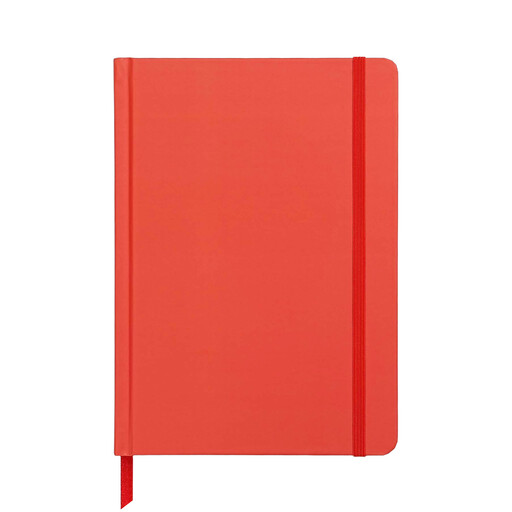
Why it suits this profile: This version has the same stated materials and layout, with a bold colour that makes it easy to spot your planner at a glance.
The specifications are clearly stated: hardcover, 100 g offset paper, 112 sheets and an undated layout. That lets you check the materials and contents rather than choosing on colour alone.
An undated design for a period of use intended to cover 18 months, according to the product information, plus monthly and weekly overviews with space for notes.
Why it suits this profile: The monthly and weekly spreads, together with a customisable opening page, suit project work, running a business and planning towards your goals.
The different views reduce the need to juggle separate notebooks for goals, weekly tasks and monthly planning. According to the listing, the hardcover provides a sturdy outer cover.
224 lined pages, undated monthly and weekly layouts, elastic closure and bookmark.
We’ve put together a complete, up-to-date list of products that meet these strict selection criteria and the applicable European safety regulations.
Start by filling in the first pages with your main goals. Then add the month and dates to the monthly spread. Use the weekly pages for appointments and tasks. If you don’t plan anything for a particular week, simply skip it without wasting pages with pre-printed dates.
It depends on the paper quality, binding, how you carry it and how often you write in it. The Jubiluu models mentioned have 112 sheets, a hardcover and 100 g offset paper. Keep your planner dry, away from liquids, and wipe the cover clean with a soft, dry cloth.
It can be, because you don’t have to waste unused weeks. The value depends mainly on the layout and the number of pages. So compare more than just the purchase price: consider the amount of usable writing space, the paper thickness and how long you’ll actually use the planner.
