
Vandaag of morgen in huis

Kwaliteit gegarandeerd

Welkomstaanbiedingen ontgrendelen: GRATIS bezorging | Tot 80% korting | Gratis 30 dagen JoyPlus-proefperiode
Download de app
An undated A5 18-month planner is ideal if you don't want to start on 1 January. You begin whenever it suits you, and use the planner for study, work, running a business or personal goals. However, not every undated planner offers the same layout, paper quality or protection.
The most common buying mistakes are:
Below, you'll find out which features really make a practical difference, and which options suit different planning styles.
A good layout starts with how you actually plan. A weekly planner with note space works well for appointments, deadlines and tasks within the same week. A monthly spread, on the other hand, gives you an overview of holidays, projects, exams or invoice dates.
For long-term planning, a combination is practical:
If you mainly jot down occasional appointments, a simple diary may be enough. For tracking goals and daily organisation, a planner with multiple levels is clearer.
The stated paper weight of 100gsm offset paper means the paper is heavier than standard thin diary paper. It is off-white and ruled according to the product description. This provides a sturdy base for ballpoint pens, rollerballs and pencils.
However, paper weight isn't everything. How much ink bleeds through also depends on the pen and the amount of ink used. If you use markers or a fountain pen, test on a back page first. Also look out for:
A hardcover planner keeps the pages together better when you're writing on the go or opening and closing the planner frequently. An elastic band can stop the planner from falling open in your bag. A ribbon bookmark helps you quickly return to the current week.
Always check what is actually included with the product. For the Jubiluu models, a hardcover, bookmark and elastic band are mentioned in the product name. Keep the cover dry and clean it with a soft, dry cloth. Paper and cardboard are flammable, so keep the planner away from naked flames and excessive heat.
The following recommendations are based on verifiable data from the product descriptions: size, number of sheets, paper weight, layout and listed accessories.
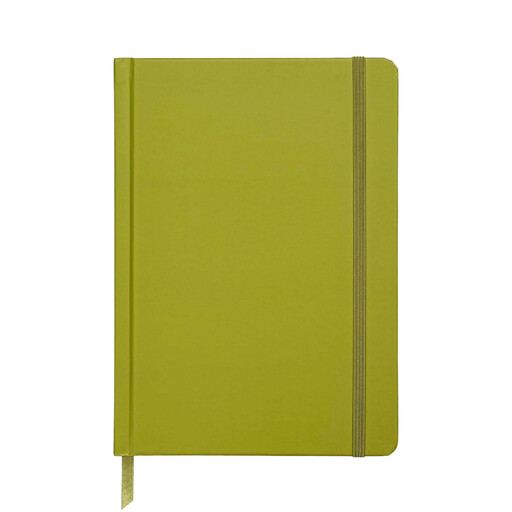
Why this fits the profile: The combination of A5 size, an undated layout and 18 months of planned space is suitable if you want to start flexibly without a complicated layout.
The monthly and weekly overviews are undated. This means unused pages are not tied to a past calendar period.
A5 size, 112 sheets of 100gsm offset paper, hardcover and a layout for monthly, weekly and note planning.

Why this fits the profile: The hardcover, heavier paper and extra accessories suit someone who writes daily and wants a well-made planner for work or study.
The specifications list 100gsm ruled offset paper and a hardcover. So you don't have to rely solely on the cover's appearance.
224 pages, 100gsm off-white paper, hardcover, elastic closure band and bookmark as per the product description.
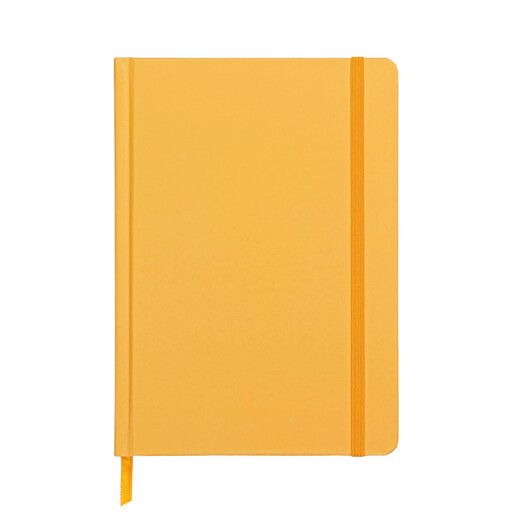
Why this fits the profile: If you want to combine work, study, personal appointments and long-term goals in one system, the monthly and weekly layout gives you multiple planning levels.
The planner is not limited to a daily diary. The separate monthly and weekly spreads give you room to plan projects broadly first, then work them out in detail.
Undated 18-month period, 112 sheets, A5 dimensions and note space alongside the weekly planning.
Start by filling in the first page with your start date, contact details or a brief explanation of your system. Then write in the months you actually want to use going forward. This keeps your long-term planning diary clear and organised.
A simple method:
An undated planner needs no battery, app subscription or software update. How long it lasts depends on how often you write, how you store it and what writing tools you use. Keep the paper dry and avoid sharp objects in the cover or bag.
We've put together a full, up-to-date list of products that fully meet these strict selection criteria and comply with current European safety regulations.
First, choose your own start date, then fill in only the months you need. Begin with fixed appointments and deadlines. Then add tasks and goals to the weekly pages. This stops you from having to fill in every page straight away.
That depends on usage. A hardcover can give the pages extra protection during travel, but paper and cardboard remain sensitive to moisture, heat and wear. Store the planner in a dry place and wipe the cover clean with a soft, dry cloth.
100gsm offset paper is a practical middle ground for daily writing with ballpoint pens, rollerballs and pencils. With markers or fountain pens, bleed-through can still occur. So test your chosen writing tool on a back page before using the planner intensively.
