
Vandaag of morgen in huis

Kwaliteit gegarandeerd

Welkomstaanbiedingen ontgrendelen: GRATIS bezorging | Tot 80% korting | Gratis 30 dagen JoyPlus-proefperiode
Download de app
A good unagi sauce can add plenty of flavour to simple rice, sushi or grilled fish. Yet many bottles look alike. Some sauces are mainly sweet, while others have more salt and umami. Terms such as authentic, traditional and eel sauce are also sometimes used without explaining which ingredients or uses they refer to.
This practical buying guide helps you compare eel sauce, kabayaki sauce and Japanese sweet soy sauce using verifiable product information. That way, you can avoid buying a large bottle that doesn’t suit your dishes or diet.
Unagi sauce often contains sugar, glucose syrup or mirin. These give it a syrupy texture and sweet flavour, but the sugar content can vary between products. According to the product information, SONOKO Eel Sauce contains 26 grams of sugars and 4.90 grams of salt per 100 grams. Pour generously over rice and you can quickly use more than just a dash for flavour.
Start with a small amount and add more if you like. This works especially well with donburi, sushi and vegetables.
Some varieties are intended as a glaze for grilled eel, while others are also suitable as a dipping sauce, marinade or flavour enhancer for meat and vegetables. A thick sauce clings well to fish, but can quickly overpower sushi or rice.
Check whether the product description specifically mentions uses such as:
Terms such as ‘Japanese-style flavour’ or ‘authentic eel sauce’ don’t give you the full picture of what’s in the sauce. Always check the ingredients and allergen information. Many varieties contain soya and wheat/gluten. According to the available product information, this is the case for SONOKO Eel Sauce and Daisho Grilled Eel Sauce, for example.
A sauce with a short ingredients list isn’t automatically a better choice. What matters more is whether its ingredients suit your preferences and diet. If in doubt, check the packaging, especially as recipes can change.
A 200 ml bottle is handy if you only make sushi, rice or grilled fish now and then. For a household that regularly cooks Japanese dishes, 240 g may be more convenient. Don’t just look at the quantity: think about how you’ll use the sauce, too. A sauce you drizzle over food occasionally will last longer than one you use as a marinade.
Pay attention to the order of the ingredients. If sugar appears near the start of the list, the sauce may be relatively sweet. Also check:
According to the product description, SONOKO Eel Sauce is made with naturally brewed soy sauce and contains modified tapioca starch and the stabiliser E415. This tells you something about its texture, but it doesn’t mean everyone will experience the flavour in the same way.
Kabayaki sauce is often thick and glossy, so you can brush it onto fish or meat. A thinner sauce is easier to drizzle over rice. Add glaze in the final few minutes of grilling to stop the sugars from darkening too quickly.
Always follow the instructions on the packaging. According to SONOKO’s product information, the sauce can be used as a glaze, dipping sauce or flavour enhancer for rice and vegetables. So you don’t have to use it only with eel.
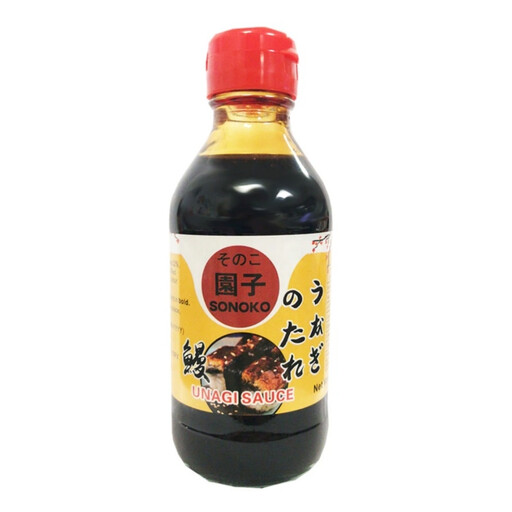
Why it suits this type of user: The 200 ml bottle is a manageable size if you want to try unagi sauce with rice, sushi or grilled chicken first.
The product information clearly lists uses such as a glaze, dipping sauce and flavour enhancer. So you don’t have to use the sauce only with eel.
200 ml; made with naturally brewed soy sauce according to the product description; suitable for rice, vegetables and grilled meat.
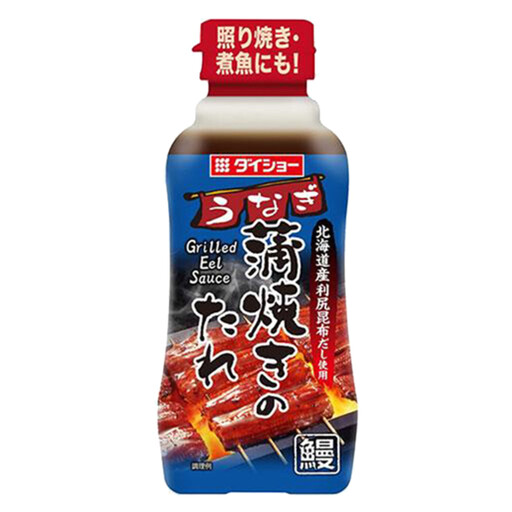
Why it suits this type of user: The larger size suits home cooks who regularly make kabayaki, sushi, barbecue dishes or rice bowls.
The description lists several ways to use it: drizzling, brushing, marinating and dipping. Check the exact ingredients on the packaging, as the list provided is described as ‘typical’.
240 g; made for kabayaki-style dishes; can be used with fish, sushi, rice, meat and vegetables.
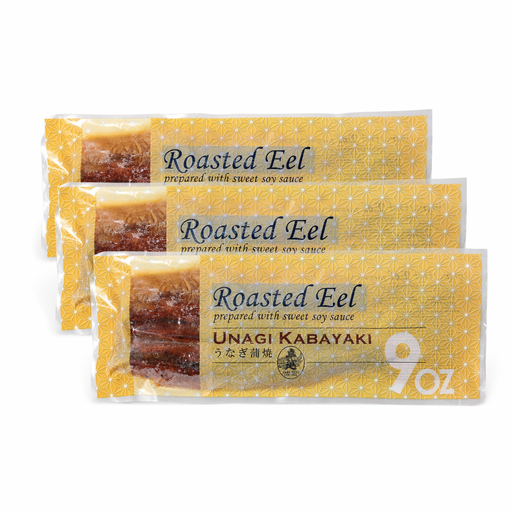
Why it suits this type of user: This isn’t a standalone sauce, but a ready-made option for anyone who wants to prepare and serve roasted kabayaki-style eel straight away.
There’s no need to buy eel and sauce separately. Bear in mind that it needs to be stored in the freezer, and check the cooking instructions before buying.
3 x 250 g; prepared with sweet soy sauce according to the product information; suitable for cooking in the microwave or boiling water.
We’ve put together a complete, up-to-date list of products that meet these strict selection criteria and the applicable European safety regulations.
The terms are usually used interchangeably. Unagi sauce, eel sauce and kabayaki sauce generally refer to a sweet, savoury sauce used with grilled eel. The exact flavour, thickness and ingredients vary by brand. So check the product name, ingredients list and recommended uses.
Brush a thin layer over grilled eel in the final few minutes of cooking. You can also drizzle the sauce over sushi, rice or a donburi. Start with a small amount, as the combination of sugar and salt can quickly make the flavour quite strong. If you’re using it as a dip, serve it as it is.
Follow the storage advice on the label. SONOKO’s instructions say to store the sauce in a cool, dry place. Close the bottle securely after use, and don’t use the product if its packaging is damaged. Also check the best-before information on the packaging, as this can vary by product.
Compare bottle size, sugar, salt, allergens, texture and intended use. Choose 200 ml if you want to try the sauce first, or a larger bottle if you cook regularly. If you mainly want to brush it onto grilled fish, choose a thicker kabayaki sauce. For sushi, rice and vegetables, a sauce with clear instructions for drizzling or dipping is often more practical.
