
Video editor with limited desk space
Wants to see an uninterrupted timeline, but needs to balance the monitor’s width and stand depth against the space available for input devices.


First, measure the available width and depth, including the monitor stand and the space you need for your keyboard and mouse. The LG 29WP60G-B reviewed here is 688.5 mm wide with its stand and offers 2560 × 1080 pixels; the 34-inch models reviewed, with 3440 × 1440 pixels, need more space but give you more room to work both vertically and horizontally. Choose a 34-inch model only if it suits your desk and viewing setup, and check colour modes or USB-C features separately to make sure they suit your workflow.
Wants to see an uninterrupted timeline, but needs to balance the monitor’s width and stand depth against the space available for input devices.
Wants to keep the timeline, preview and other editing panels visible at the same time, and has room for a larger screen.
Needs suitable colour modes as well as an overview of the timeline, and doesn’t want to mistake the manufacturer’s figures for a measurement of their own screen.
First measure your desk, then compare the resolution with the layout you want to use in your video-editing software. This will help you decide whether a more compact screen will do, or whether the extra workspace of a 34-inch model is worth the larger footprint.
| What to consider | What should you check? | Who is this important for? |
|---|---|---|
| Fit on your desk | Measure the available width and depth, and compare them with the external dimensions including the stand. Leave room for your keyboard and mouse too. | If desk space is limited, I want to know how much room will be left next to the monitor stand. For around 36% of consumers, physical fit is the top purchase priority. |
| Timeline and workspace | Compare the horizontal and vertical resolution, and try out your preferred panel layout in your editing software. | If you want to see a long timeline, preview and panels at the same time, you may want to prioritise the available screen space. Around 29% of consumers put timeline visibility first. |
| Colour modes | Check which colour modes are listed for the exact model, and set up your monitor and software for your intended output. | If I assess colour, I want a mode that suits my workflow, and I don’t want to mistake the manufacturer’s figures for a measurement of my own unit. Around 21% of consumers put colour assessment first. |
| Connecting a laptop | Check whether your laptop supports video over the relevant port, and compare the charging power with what your laptop needs. | If you connect a laptop and peripherals at one workstation, you’ll want to know whether the ports and charging power suit your equipment. For around 14% of consumers, laptop connectivity comes first. |
A 29-inch and a 34-inch screen can differ considerably in width, and the stand takes up depth too. The diagonal measurement alone won’t tell you how much workspace will be left.
Compare the external dimensions, including the stand, with your desk and viewing setup. You may need a monitor arm or a different desk layout. Before mounting, check that the arm and desk can support the monitor’s mounting requirements and weight.
Specifications and colour figures are manufacturer claims for a particular model. They don’t show how accurate your individual unit is in your workflow.
Choose colour modes that suit your intended output, then configure your monitor and software accordingly.
The model name and specifications in a product listing may not match. Check the exact model and its details before making your choice.
Compare the specifications and current product information on the product details page with the model name you’re looking for.
The models reviewed range from a more compact 29-inch option to a 34-inch model with a wider range of connections.
The PD3420Q reviewed here is a 34-inch option with colour modes that may be useful for workflows involving colour assessment.
The U3425WE reviewed here is a 34-inch UltraSharp with a Thunderbolt hub, for a workstation where laptop connectivity matters.
The 34B2U5600C/00 reviewed here is a business-focused 34-inch ultrawide with KVM and USB-C-to-RJ45 features.
These Joybuy products are 34-inch ultrawide monitors with features for a workstation with a laptop and peripherals. Compare their connections and charging power with your equipment, and check that you have enough desk space for your setup.
 No image available
Suitable for placing a wide video-editing timeline alongside editing panels, provided it fits on your desk.
34.1 inch; 3440 × 1440; IPS; 100 Hz; USB-C with up to 90 W Power Delivery; webcam, USB hub, KVM and RJ45; 99% sRGB according to the product information.
USB-C charging requires a compatible laptop that supports USB Power Delivery and DisplayPort Alt Mode.
 No image available
A 34-inch ultrawide for placing a video-editing timeline and other windows side by side, provided you have enough desk space.
34 inch; 3440 × 1440; Thunderbolt 4; Smart KVM; up to 100 W USB Power Delivery.
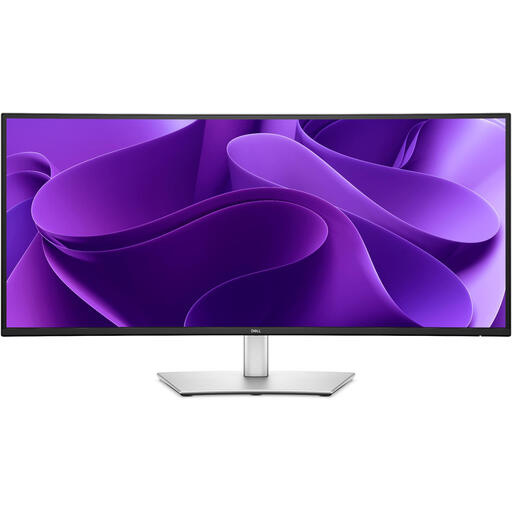 No image available
Suitable for working with a long timeline and other windows side by side, provided the screen and stand dimensions fit your desk.
34.1 inch; 3440 × 1440; USB-C with 90 W Power Delivery; KVM; RJ45; USB hub; height and tilt adjustment.
 No image available
An ultrawide layout for a timeline and other windows, provided the larger screen footprint suits your workstation.
34 inch; 3440 × 1440; USB-C dock with up to 95 W Power Delivery; LAN; KVM; height-adjustable stand with 15 cm of adjustment.
 No image available
Suitable for a wide layout with a video-editing timeline and other windows, if you have room for a 34-inch screen.
34 inch; 3440 × 1440; 100 Hz; 99% sRGB according to the product information; Picture-by-Picture.
No, not if you want to assess the video at its full native 4K resolution. The 29-inch screen reviewed here has a resolution of 2560 × 1080 pixels, and 3440 × 1440 isn’t full 4K either. Adobe explains that Premiere has separate playback and paused resolutions: a lower playback resolution can make playback smoother, while you can increase the resolution when paused to check details.
First check the available space on your desk. Then compare the exact model’s VESA size and weight without the stand with the arm’s specifications and the mounting point. BenQ lists VESA 100 × 100 mm and a weight of 6.9 kg without the stand for the PD3420Q; LG also lists VESA 100 × 100 mm and a weight of 4.0 kg without the stand for the 29WP60G-B. These figures alone don’t confirm that a particular arm will fit your desk.
The Dutch Arboportaal outlines employers’ obligations for safe workstation setups involving screens. For more than two hours of screen work a day, these include using a separate monitor or keyboard with a laptop and meeting workstation requirements; there are also rules on taking breaks from screen work and eye examinations. These are workplace obligations, not general minimum specifications for every personal monitor purchase.
According to the Dutch government, in many cases you have a 14-day cooling-off period when you buy remotely from a business; an online purchase from a private individual is not covered by the same rules. ACM ConsuWijzer explains that your statutory guarantee depends on what you could reasonably expect from the product under normal use, and that the seller must put a faulty product right. Before buying, check who the seller is and which returns policy applies to your order.