
Vandaag of morgen in huis

Kwaliteit gegarandeerd

Welkomstaanbiedingen ontgrendelen: GRATIS bezorging | Tot 80% korting | Gratis 30 dagen JoyPlus-proefperiode
Download de app
A scratchy throat, dry skin, or plants that look sadly droopy. Dry indoor air is a common problem, especially during the winter months when the heating is on. An ultrasonic humidifier seems like the perfect solution, but the market is flooded with models that overpromise and underdeliver. Before you make a purchase, it's crucial to know what to look for to avoid wasting money on a device that irritates rather than soothes.
Common purchasing mistakes are often the result of clever marketing. A frequent complaint is a supposedly 'quiet' humidifier that keeps you awake with a constant humming sound. Another issue is maintenance: models that are awkward to fill or are full of nooks and crannies where mould and bacteria can accumulate. Finally, there's the white dust on your furniture, a direct result of mineral deposits from hard tap water being dispersed into the air by the device.
To avoid a bad purchase, it's best to focus on a few key specifications. These will determine whether a humidifier is right for your situation.
The size of the water tank and the mist output determine how effectively and for how long a humidifier can operate. A model with a tank that's too small for a large room will require constant refilling.
bedroom humidifier.large room humidifier such as a living room (25-50 m?): Look for models with a capacity of 5 litres or more. This ensures a longer runtime without needing to refill.quiet humidifier?Manufacturers often use the term 'quiet' loosely. An objective measure is the noise level, expressed in decibels (dB). For an undisturbed night's sleep, you'll want a device that makes as little noise as possible.
A humidifier should make your life easier, not harder. Pay attention to the following practical features:
humidifier with aromatherapy has a separate tray for essential oils, allowing you to diffuse a pleasant scent. A smart humidifier with app control offers convenience, as you can adjust settings remotely.Based on these criteria, we have selected a few models that suit different user profiles.
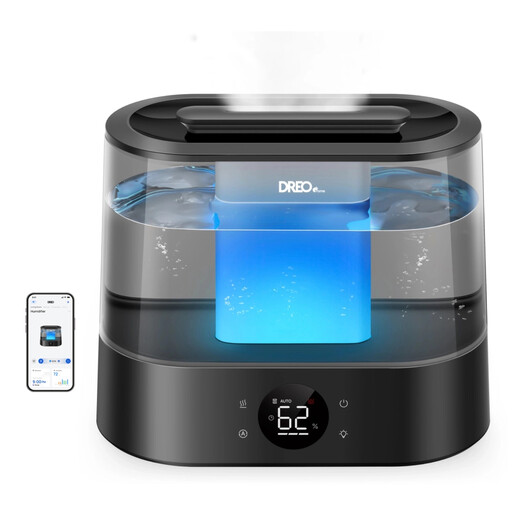
Why This Fits Their Persona: This model is designed for tranquility. It's ideal for those who are easily woken by noise and are looking for a solution for a better night's sleep in a room with dry air.
According to the manufacturer, this device produces only 28 dB of noise in sleep mode. This is objectively quiet and prevents the disappointment of a loud 'silent' humidifier.
The smart control via the DREO app and the top-fill opening for easy refilling make it a very user-friendly device.
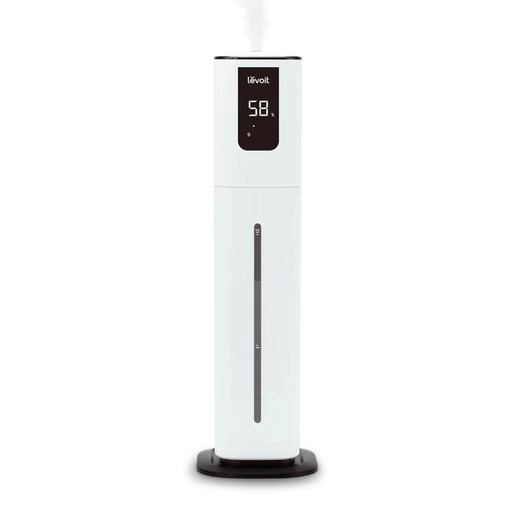
Why This Fits Their Persona: Perfect for those who want to humidify a large living space or an open-plan office without constantly refilling the device. Also suitable for serious plant collectors with a lot of greenery.
With a 10-litre tank and a runtime of up to 100 hours (according to the manufacturer), the frustration of constantly refilling a too-small device is completely eliminated.
Its huge capacity and coverage of up to 55 m? are its biggest assets. The automatic mode adjusts the mist output to maintain a set humidity level.
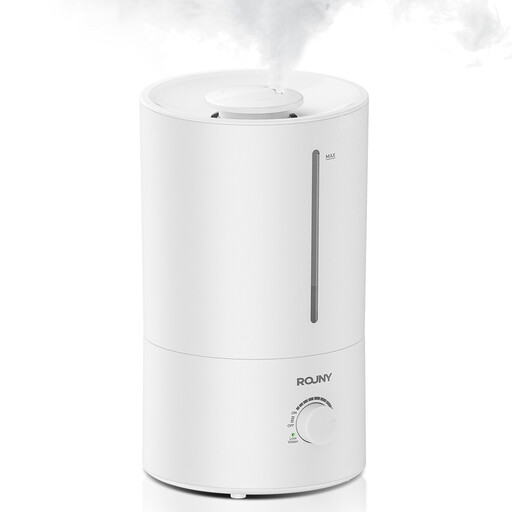
Why This Fits Their Persona: For those looking for a no-nonsense device that does what it's supposed to do. No complicated apps or settings, just a reliable solution for dry air.
This model tackles the cleaning problem with a simple top-fill design. The wide opening makes the tank accessible for quick and thorough cleaning.
Operation is extremely simple with a single control dial. The 360° rotating mist nozzle allows you to direct the moist air exactly where it's needed.
We have compiled a complete, real-time list of products that fully satisfy these strict selection criteria and UK safety regulations.
It is recommended to empty, rinse, and dry the water tank weekly to prevent the growth of bacteria and mould. A more thorough cleaning with water and vinegar to remove limescale is recommended monthly, or more often if you live in an area with hard water.
Yes, you can use tap water. However, be aware that with ultrasonic models, hard water (which is high in minerals) can lead to white mineral dust settling on furniture. To prevent this, it's best to use distilled or demineralised water. If you do use tap water, regular cleaning is extra important.
Generally, a relative humidity level between 40% and 60% is considered ideal for comfort and health. Many smart humidifiers have a built-in hygrometer and can automatically maintain this level. Humidity that is too high (above 60%) can promote condensation and mould growth.
