
Vandaag of morgen in huis

Kwaliteit gegarandeerd

Welkomstaanbiedingen ontgrendelen: GRATIS bezorging | Tot 80% korting | Gratis 30 dagen JoyPlus-proefperiode
Download de app
A kitchen sieve may seem like a simple tool, but the wrong model can quickly become frustrating. A mesh that’s too fine can clog when you’re draining pasta or rice, a sieve that’s too wide may not fit in your sink, and a flimsy sink strainer can shift as soon as water runs through it. Whether you cook at home, have a large family or need one for professional use, it’s important to consider what you’ll use it for and check the dimensions first.
A fine-mesh sieve is useful for flour, sugar, tea, stock and sauces. But very fine mesh can drain slowly when you’re straining potatoes, pasta or large quantities of vegetables. So check what the sieve is designed for. A colander usually has larger holes, making it better suited to draining and rinsing.
A sink strainer or drain strainer needs to fit the plughole properly. Measure the diameter of the drain before you buy, and check that the model sits flat in the opening. A strainer that’s too small may let food scraps pass around the edge. One that’s too large may catch or slow the flow of water.
Terms such as ‘rust-resistant’, ‘extra strong’ or ‘professional’ don’t tell you much without details about the material, mesh construction and care. For an stainless-steel sieve, for example, it’s worth checking whether it’s made from food-grade stainless steel and how it should be cleaned. Always follow the product description and check for bent edges, loose joints or damaged mesh after use.
Choose the mesh size based on what you usually prepare:
A handle, support rim or non-slip base can make a sieve more stable. A longer handle is also useful on a frying skimmer or slotted spoon, as it keeps your hands further from hot oil or liquid. Don’t use an ordinary filter sieve for frying if the product description says it isn’t suitable.
Food-grade stainless steel is a practical choice for regular use. It’s generally resistant to moisture and suitable for contact with food, but salt, acids and leftover residue can damage the surface if you don’t rinse and dry the product properly.
Also check:
According to the product description, the BergHOFF LEO Fine Sieve Graphite is made from 18/10 stainless steel, has a recycled plastic handle and is dishwasher-safe. It measures 18 cm in diameter and is suitable for tasks such as sifting flour and draining liquids. When using it with hot ingredients, always follow the manufacturer’s instructions.
A compact sieve is easy to store in a small kitchen. A larger draining basket or adjustable sink strainer is more useful if you regularly drain fruit, vegetables or dishes. Check not only the diameter, but also the height and the space between the edge of the sink and the worktop.
For a drain filter, the fit matters most. A sink filter net or kitchen sink strainer should sit securely and mustn’t unnecessarily restrict the flow of water. After use, empty the filter into the bin rather than rinsing food scraps down the drain.
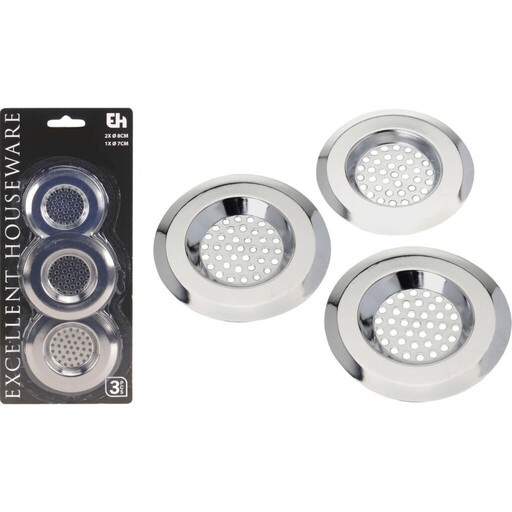
Why it suits this profile: A set of three sink strainers is practical for households that want a spare or use several drain openings. The product information lists a diameter of 8 cm.
The size and quantity are clearly stated. Just check that 8 cm matches your drain before ordering.
Set of 3; rust-coloured metal construction according to the product information; dishwasher-safe according to the listed specifications.
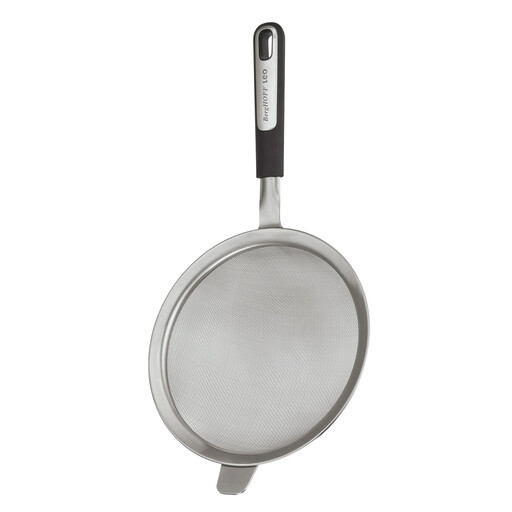
Why it suits this profile: This fine kitchen sieve is ideal for home bakers and cooks who want one compact tool for sifting flour and sugar, or straining sauces and liquids.
Its 18 cm diameter and fine mesh make its intended use clearer than general claims about versatility.
18/10 stainless steel; recycled plastic handle; dishwasher-safe and fitted with a hanging loop, according to the product description.
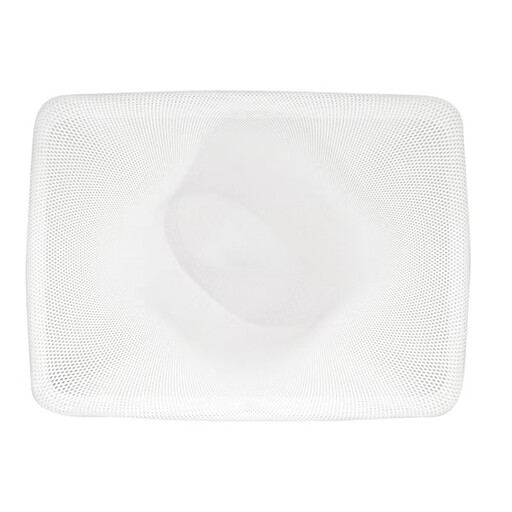
Why it suits this profile: According to the product information, this fine stainless-steel sieve is designed for tea, coffee, stock, sauces and rinsing ingredients. It’s suited to frequent use at home, in a café or in a professional kitchen.
The intended uses and care instructions are clearly described. The product information also advises against continuing to use it if the mesh is damaged.
Food-grade stainless steel; fine mesh; handle; suitable for kitchens, restaurants and cafés; dishwasher-safe according to the description.
We’ve put together a complete, up-to-date list of products that meet these strict selection criteria and the applicable European safety regulations.
Rinse your kitchen sieve immediately after use, especially after it’s been in contact with salt, lemon, tomatoes or dairy products. Use a soft sponge and mild washing-up liquid unless the manufacturer gives different instructions. Dry a stainless-steel sieve completely before putting it away. This helps prevent small bits from drying in the mesh of a fine sieve.
Ideally, empty a sink strainer every day. If you use a reusable filter net, check that the fabric or mesh is still intact. Disposable filters are useful when there are lots of food scraps, but only buy refills that fit the holder and drain opening.
A colander or draining basket with relatively large holes is usually more practical for pasta than a fine-mesh sieve. Check the capacity, how stable it is over the sink and whether the handle gets too hot.
Choose a model with openings that catch food scraps without significantly restricting the flow of water. Empty the strainer after washing up, and don’t pour fat, rice or vegetable scraps down the drain. Also check that the diameter fits your sink properly.
It depends on the specific product. Some models, including the BergHOFF and Maxcook products mentioned above, are listed as dishwasher-safe in their product descriptions. Always check the care instructions, and dry the sieve after a wash if moisture remains around the edges or joints.
