
Vandaag of morgen in huis

Kwaliteit gegarandeerd

Welkomstaanbiedingen ontgrendelen: GRATIS bezorging | Tot 80% korting | Gratis 30 dagen JoyPlus-proefperiode
Download de app
Udon noodles might seem simple at first glance: thick Japanese noodles, add water and you're done. Yet the products vary significantly in texture, preparation, packaging and nutritional value. If you only look for words like "authentic", "fresh" or "quick to cook", you could end up buying a variety that doesn't suit the dish you have in mind.
Pay particular attention to three common pitfalls:
Udon noodles have a characteristic thick, soft and elastic texture. On the packaging you'll come across terms like chewy, firm or pre-cooked. These tell you more about how to use them than any general claim about quality.
For soup and hotpot, you need noodles that hold their shape reasonably well in hot broth. For udon in stir-fry dishes, it's handy if the noodles are already pre-cooked. Then you only need to separate them, rinse them or heat them briefly. Always check the instructions: some varieties need to be rinsed first to reduce a slightly sour taste from acidity regulators.
Most traditional udon noodles are made from wheat flour, water and salt. This means they contain gluten. Also check for soya, peanuts, sesame and fish when you choose a ready-made sauce or soup.
For example, the NongShim Big Bowl Tempura Udon Soup contains wheat and fish, including bonito extract, according to the product information. So the flavour doesn't just come from the noodles, but also from the broth and toppings. Lamianfan Tonkotsu Udon contains wheat and soya and has several sachets of soup base, oil and vegetables.
A 200g pack is practical for one generous portion or two smaller ones. For families, packs of 800g or more are more efficient, as long as you use the noodles regularly. For restaurants, caterers and heavy users, boxes with individually wrapped portions are easier to manage.
With low-calorie options, pay close attention to the difference between regular udon and shirataki udon. City Aroma Shirataki Udon contains 9.5 kcal and 1.5g of carbohydrates per 100g according to the product information. These noodles are made from konjac and have a neutral flavour. They therefore absorb sauces and seasonings well, but don't offer the same wheaty bite as regular thick chewy noodles.
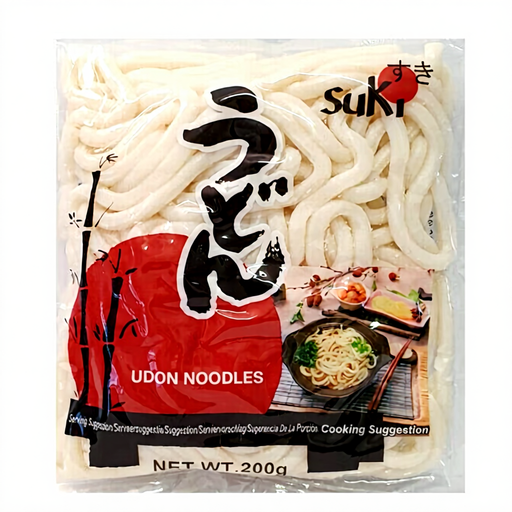
Why this fits the profile: The 200g pack is a manageable size for a first introduction to Japanese udon noodles. Use them in soup, a stir-fry or a simple hotpot.
The product information clearly states that rinsing can help reduce a slightly sour taste. This way you know how to prepare the noodles.
200g per pack; suitable for soup, stir-fry and hotpot; according to the label, 150 kcal per 100g.
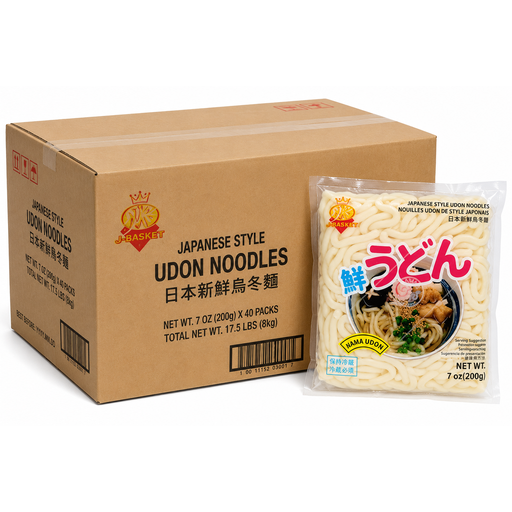
Why this fits the profile: This box contains 30 individual portions of 200g. It suits enthusiasts who cook udon often and want to open a fixed portion per meal.
The individual packs solve the problem of a large opened bag. Do check the best-before and storage information on the packaging.
30 portions of 200g; fresh nama udon according to the product description; suitable for soup, stir-fry and cold salads.
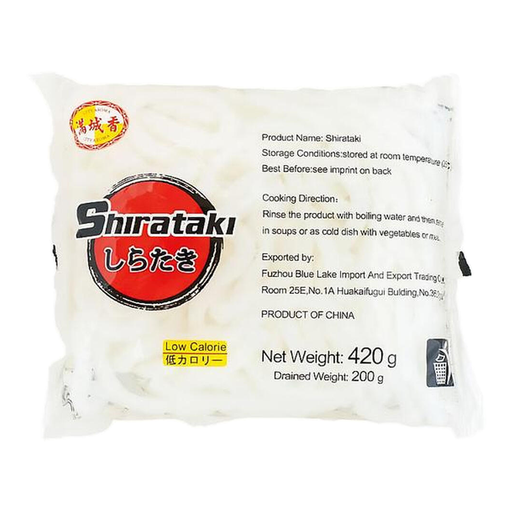
Why this fits the profile: This variety is intended for anyone looking for a konjac noodle with few calories and carbohydrates for soup, salad, stew or side dish.
The product information clearly states that the flavour is neutral. So don't expect a wheat taste, but use a strong sauce or broth instead.
400g per pack; 9.5 kcal per 100g according to the product information; free from the 14 major EU allergens according to the label.
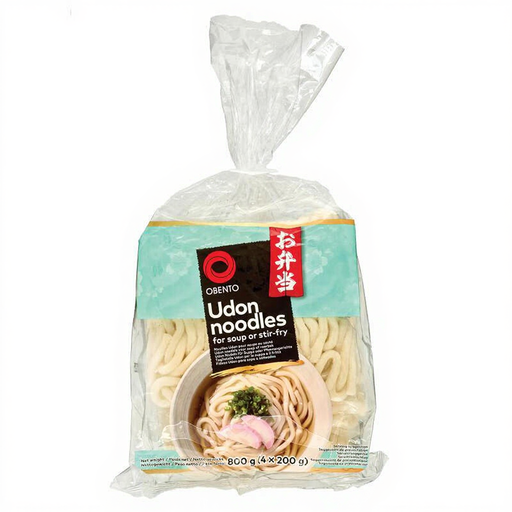
Why this fits the profile: The 800g pack is suitable when noodle dishes are regularly on the menu at home or when you're making several portions at once.
The total quantity is visible and easy to manage. Divide the noodles into portions in advance and follow the storage instructions after opening.
800g per pack; suitable for stir-fry, soup and cold salad; made from wheat flour according to the product information.
We've put together a full, up-to-date list of products that fully meet these strict selection criteria and current European safety regulations.
Yes. Thick wheat noodles work well in broth, miso soup and hotpot. Choose a pre-cooked variety if possible and add them only at the end. With instant udon, the soup base is often already included in the pack; check the salt content and any allergens present.
This varies by product and packaging. Check the date on the label and follow the storage instructions given. Individually wrapped portions are practical because you only open what you need. Don't use an opened pack if the packaging is damaged or if the noodles smell or look unusual.
Yes. For cold salads, you can heat pre-cooked udon briefly or rinse them, then let them cool and mix with vegetables, sesame and a dressing. Shirataki udon is also suitable for cold dishes, but has a more neutral flavour and a different texture from wheat udon.
