
Vandaag of morgen in huis

Kwaliteit gegarandeerd

Welkomstaanbiedingen ontgrendelen: GRATIS bezorging | Tot 80% korting | Gratis 30 dagen JoyPlus-proefperiode
Download de app
Udon noodles are thicker and softer than many other Asian noodles. This makes them a great match for broth, stir-fries and a quick noodle bowl. However, not every pack is suitable for every use. If you only go by the packaging or a flavour name, you could end up with overly salty sauce, an impractical portion size or noodles that require lengthy cooking first.
This buying guide helps you compare udon noodles based on preparation, packaging, ingredients and occasion.
The term “fresh” does not automatically mean that a product needs to be kept chilled. Some fresh udon noodles are packaged with acidity regulators or thickeners and are sold in the ambient aisle. Always check the storage instructions on the packaging.
There are roughly three varieties:
A description such as spicy, teriyaki or sweet and sour mainly tells you something about the sauce. Nutritional values and allergens can vary considerably. A ready-to-eat bowl, for example, often contains extra salt, sugar, oil, soya or sesame.
If you want to control the flavour yourself, it is better to choose a plain bag of udon noodles and add your own broth, vegetables and sauce. If speed is your priority, you can choose udon noodles with sauce in a bowl or cup.
A 200 g pack is practical for one generous portion or a light meal for two people with extra vegetables. A 240 to 254 g pack often already includes sauce and toppings. An 800 g pack is more convenient for families, while high-volume users should look for multipacks with individual 200 g bags.
Also pay attention to the preparation method: a microwave product is not the same as udon that needs to be prepared in boiling water.
Most udon noodles are made with wheat flour, water and salt. This means they usually contain gluten. Some products also contain tapioca starch, cassava flour, wheat gluten, soya, sesame or peanuts.
Read the full ingredients list before buying, especially for ready-made sauces. A product with sesame teriyaki sauce or spicy sauce may contain several allergens. The information on the website may also differ from the packaging. Always check the label, best-before date and preparation instructions before consumption.
For a quick meal, the preparation method matters more than the name on the front:
When preparing food in the microwave, use a microwave-safe bowl and leave an opening in the lid when the instructions specify this.
Plain udon noodles are suitable for a range of recipes, including soup, hotpot, cold noodles and stir-fries. Products with sauce are quicker, but give you less control over salt, spiciness and ingredients.
For a simple base, you can combine udon with:
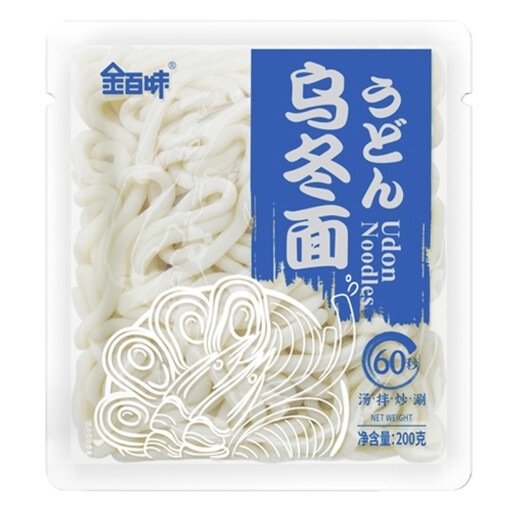
Why it suits this profile: A single 200 g bag is an easy way to try udon for the first time and can be used for soup, stir-fries or cold noodles.
The product information gives clear microwave instructions of around 1 minute and describes a plain base without included sauce.
200 g per bag, 121 kcal per 100 g according to the product details, and suitable for your own sauces.
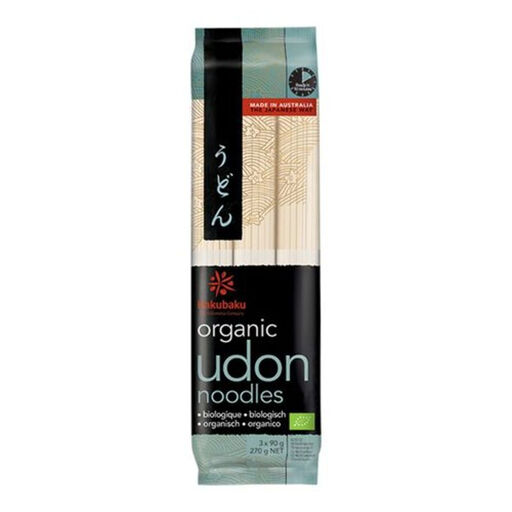
Why it suits this profile: If a short ingredients list is your priority, the product information states that these noodles are made from wheat flour, salt and water.
There is no included flavour sauce to determine the salt or flavour profile, so you can create the dish yourself.
270 g pack, 95% wheat flour according to the label, and suitable for soup and stir-fries.
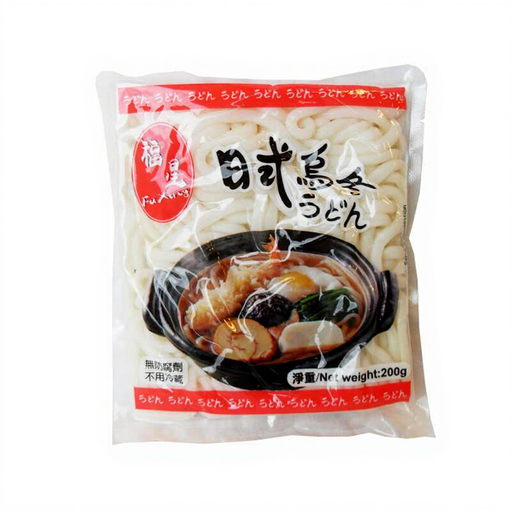
Why it suits this profile: The box contains 30 individual 200 g bags, making it suitable for catering, hospitality, large households and regular preparation.
The portions are individually packaged, so you do not have to store an opened bulk pack each time.
30 portions of 200 g, suitable for soup, hotpot, stir-fries and cold dishes.
We have put together a complete, up-to-date list of products that fully meet these strict selection criteria and the applicable European safety regulations.
Use the packaging instructions as your starting point. Briefly rinse fresh udon noodles if the product recommends doing so. This can reduce a slight sour taste caused by acidity regulators. Add the noodles to soup only at the end, so they do not cook for longer than necessary.
For udon noodles intended for stir-fries, the following sequence usually works well:
With spicy udon noodles from a bowl or bag, you can adjust the amount of sauce if it is supplied separately. Keep an eye on the salt content and do not automatically add extra soya sauce.
Yes. Their thick texture works well with broth, miso soup and hotpot. Choose a plain variety if you want to create the broth yourself. Check the cooking time to prevent the noodles from becoming too soft.
This varies by product and packaging. Shelf-stable noodles can be stored until the date shown on the packaging, provided they are kept under the stated conditions. After opening, follow the instructions on the label. Discard the pack if it is damaged or if the product smells or looks unusual.
A noodle bowl often contains sauce, vegetables and toppings, which can make it more expensive than a bag of plain noodles. In return, it requires less preparation. For several meals or a family, 800 g packs or multipacks with individual portions are generally more practical to compare on a per-portion basis.
