
Vandaag of morgen in huis

Kwaliteit gegarandeerd

Welkomstaanbiedingen ontgrendelen: GRATIS bezorging | Tot 80% korting | Gratis 30 dagen JoyPlus-proefperiode
Download de app
Want to buy udon noodles, but not sure which pack suits your kitchen? The difference is not just about the brand or price. Japanese udon noodles can be dried, fresh, instant or ready-seasoned. Preparation time, portion size and allergens can also vary considerably.
Choosing the wrong product can often result in soggy noodles, too much stock or a product that does not suit your dish. With these practical selection tips, you can compare udon noodles using reliable, verifiable information.
Udon is known for its thick, soft and springy texture. However, not all thick Asian noodles are udon. Rice noodles, glass noodles and some wheat noodles have a different composition and require different preparation.
So check the ingredients. Udon usually contains wheat flour, water and salt. If the label mainly lists rice flour or sweet potato starch, it is a different type of noodle.
Fresh udon noodles are often quicker to prepare than dried varieties, but they usually still need to be heated or cooked. Some products also need to be refrigerated or stored carefully in a sealed container. Always check the preparation instructions and shelf-life information on the packaging.
An 800-gram pack or a box containing 30 portions can be useful for families, restaurants or catering. For someone who only eats noodles occasionally, a smaller pack may be more practical. Consider the number of portions, available storage space and shelf life after opening.
There are roughly four practical categories:
For homemade udon soup, plain noodles are usually more versatile. If you want a meal with minimal preparation, instant udon can be a practical choice.
Most udon noodles in this range contain wheat and gluten. If you follow a vegetarian diet, it is worth checking not only the noodles themselves, but also the sauces, stock and toppings.
Seasoned varieties may contain soya, sesame or peanuts. A product made with rice flour or sweet potato starch may be an alternative if you are looking for gluten-free noodles, but always check the label. The words “gluten-free” must appear on the packaging itself; do not rely solely on the product name.
A 200-gram portion is practical for an individual meal. 800-gram packs are better suited to families or when preparing several dishes. For restaurant and catering professionals, boxes containing individually packed portions are easier to manage.
Also consider the preparation time. Dried noodles usually need to be boiled and drained. Fresh or pre-cooked udon can sometimes be heated straight away. Follow the manufacturer’s instructions, as timings vary from product to product.
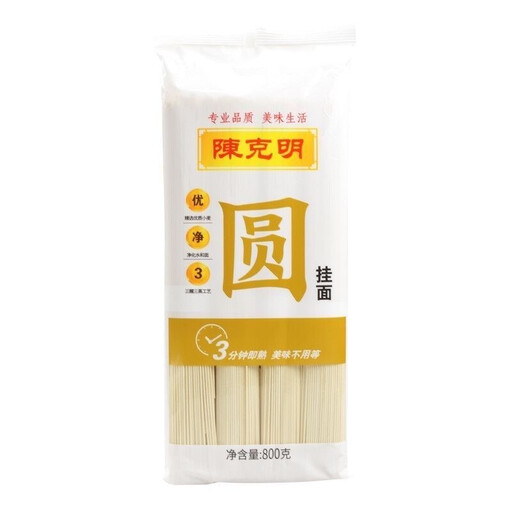
Why it suits this profile: The large pack of dried noodles is ideal for anyone who wants to try different noodle dishes without buying several varieties straight away.
The ingredients list is straightforward: wheat flour, starch and salt. The packaging states a cooking time of 5 to 7 minutes.
800 grams; suitable for soups, stir-fries and cold noodle dishes.
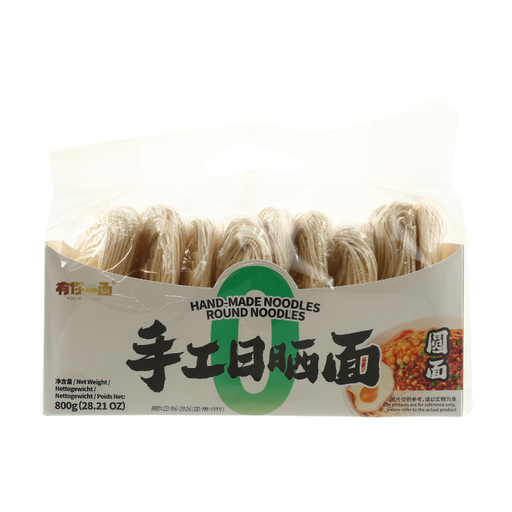
Why it suits this profile: These round dried noodles are ideal for anyone who enjoys a firm, springy bite in soup, stir-fries or cold dishes.
The product information lists wheat flour, water and salt, and gives a cooking time of 5 to 8 minutes. This lets you adjust the texture to your preference.
800 grams; 13.5 grams of protein per 100 grams according to the product information; suitable for a range of dishes.
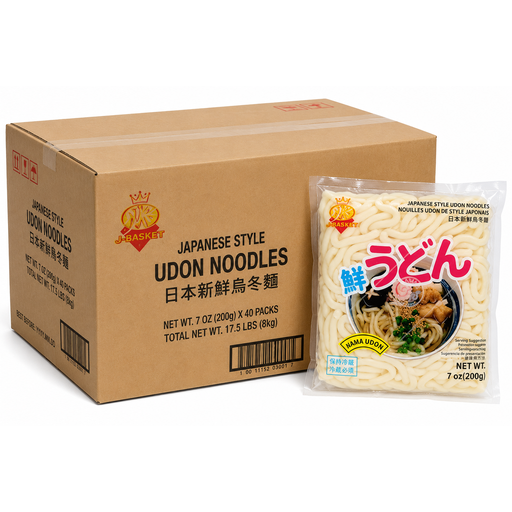
Why it suits this profile: The box contains 30 individually packed 200-gram portions, making it suitable for restaurants, catering, large families or regular meal preparation.
The portions are individually packed, so you do not have to open the entire bulk pack every time.
30 portions of 200 grams; suitable for soups, stir-fries and cold salads; contains wheat.
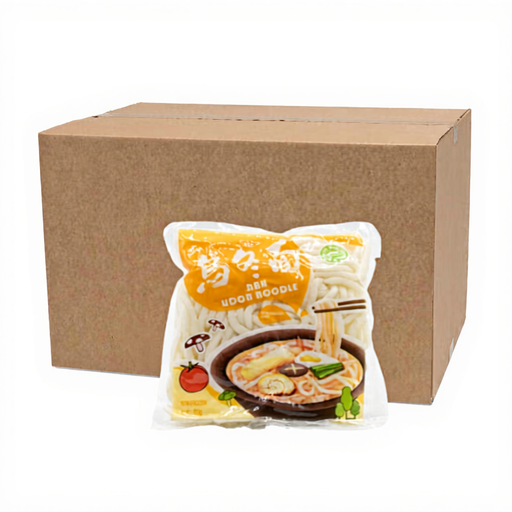
Why it suits this profile: Individual portions and a preparation time of around 5 minutes make this variety convenient for busy households and meal planning.
The packaging states the 200-gram portion size and provides clear preparation instructions for boiling, stir-frying and hotpot.
30 individual portions; approximately 5 minutes’ preparation time; contains wheat and gluten.
We have put together a complete, up-to-date list of products that fully meet these strict selection criteria and the applicable European safety regulations.
The right choice depends on the dish:
The ingredients determine not only the flavour, but also how well the noodle absorbs sauce and how long it stays firm.
Dried udon is generally cooked in plenty of water and then drained. The exact cooking time is stated on the packaging. Heat fresh or pre-cooked udon according to the product instructions, for example in boiling water, a wok or hotpot. When adding noodles to soup, it is best to add them towards the end.
It varies by type. Unopened dried udon can be stored for a longer period in a cool, dry cupboard. Fresh and instant varieties have their own shelf-life information. Always check the date and store an opened pack tightly sealed, as indicated on the label.
Usually not. Udon is generally made from wheat flour and therefore contains gluten. Rice noodles and some glass noodles may be an alternative. If you have an allergy or intolerance, always check the full ingredients list and allergen information on the packaging.
