Who is this buying guide for?

Housemates sitting to the side

Will several people be watching from the sofa and nearby chairs? If so, it’s important to have a clear view from the outer seats too. The Consumentenbond highlights a wide viewing angle as a plus when watching sport together.

Viewers who want to follow fast-paced match action

If you want to compare passes and camera movements, don’t look only at the Hz figure; consider motion handling too. The Consumentenbond treats motion handling as a separate factor to consider in sports TVs.

People with a bright or compact living room

Daylight, viewing distance and the space available can all influence which screen size and type of TV will suit your room. Milieu Centraal recommends comparing energy use per 1,000 hours on the energy label.

What should you look for when choosing?

What to consider What should you check? Who is this important for?
Viewing from different seats Compare the specific model from the outer seats and check for reflections from those positions too. If I watch from different spots with my housemates, I want the picture to remain clear and comfortable to view from the side. Around 25% of consumers prioritise visibility from multiple seats.
Fast-paced match action Check the native refresh rate and, where possible, compare motion handling using match footage. I want to follow passes and camera movements clearly, rather than just see a high Hz figure. Around 25% of consumers give fast-action picture handling top priority.
Daylight and reflections Look for windows and lamps opposite the TV, and compare the model’s brightness and handling of reflections. In a bright living room, I want to see the screen clearly without reflections getting in the way of the match. Around 20% of consumers prioritise visibility in a bright room.
Size and placement Measure the viewing distance and the available width and height; if wall-mounting, check that the bracket is suitable for the exact model. If space is limited, I want to choose a size that suits both the viewing distance and the space available for the TV. Around 15% of consumers start by considering size and placement.
Energy use and reception Compare energy use per 1,000 hours on the energy label and check whether you need a set-top box or other reception equipment. When we share running costs, I want to know how much energy the TV and any additional equipment use. Around 15% of consumers prioritise shared running costs.

Common mistakes when choosing a TV

  • Assuming a high Hz figure guarantees a great rugby picture

    The stated refresh rate is a screen specification; on its own, it doesn’t tell you how a particular broadcast will look.

    Compare the native specification with how the TV handles motion in match footage, and bear in mind the quality of the source.

  • Only watching from the central seat

    When watching together, people sitting to the side may have a different viewing angle. Reflections can also affect visibility from those seats.

    Map out the seating positions and assess the screen from the outer viewing angles before comparing models.

  • Choosing the biggest screen possible without measuring

    The viewing distance and the space available on furniture or on the wall affect which screen size will work in practice.

    Measure the distance from the seats and the space available. If wall-mounting, check that the bracket is suitable for the exact model.

  • Ignoring energy use during extended viewing

    A set-top box can use energy as well as the TV. The equipment you need depends on how you receive the match.

    Compare energy use per 1,000 hours on the energy label and check what reception equipment you’ll need.

TV brands to consider

LG

The OLED55C56LB available in the Netherlands is an OLED model to compare if several housemates won’t be sitting directly in front of the screen.

  • LG lists an OLED screen for this model. The Consumentenbond says OLED TVs generally tend to offer a wider viewing angle.
  • This general characteristic isn’t an independent assessment of the OLED55C56LB. Compare brightness and reflections in your own room.

TCL

The 55C7K available in the Netherlands is a mini-LED LCD model to include in your comparison, for example if daylight is a concern.

  • TCL lists a native refresh rate of 144 Hz for the 55C7K.
  • This specification doesn’t prove how rugby footage will look or how visible the screen will be from a seat to the side. Compare both in the setting where you plan to use it.

Samsung

The QE55QN90FATXXN is a 55-inch Neo QLED Mini LED model to compare with other TVs.

  • Samsung identifies this model variant as Mini LED.
  • The technology name alone isn’t an independent assessment of motion, reflections or viewing angle. Check these features for your room and seating positions.

Philips

The 55PUS9000/12 available in the Netherlands is a 55-inch QLED TV with Ambilight as an additional room feature.

  • Philips lists Ambilight and a refresh rate of 144 Hz for this model.
  • These specifications don’t show that the screen will be clearly visible from every seat or that every rugby broadcast is supplied at 144 frames per second.

TVs at Joybuy

This Joybuy selection includes OLED, LED and QD-Mini-LED TVs in a range of screen sizes. Compare the size with your viewing distance and available space, and treat the refresh rates listed as specifications, not a guarantee of how a match will look.
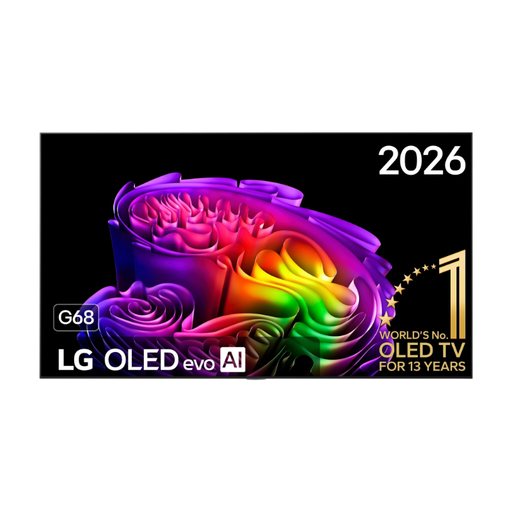
OLED77G68LW 77-inch 4K OLED TV

OLED77G68LW 77-inch 4K OLED TV

A 77-inch model to consider if it suits your viewing distance and the space available.

The description lists 4K OLED, 120 Hz native and VRR up to 165 Hz. Panel specifications aren’t a measure of how a rugby broadcast will look.

View at Joybuy
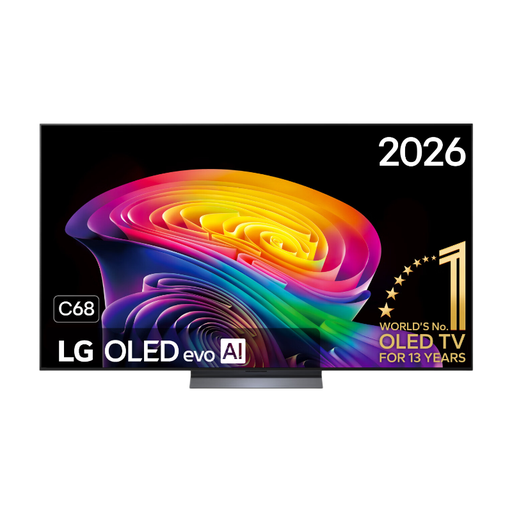
LG OLED65C68LA OLED Evo AI C6 65-inch 4K TV

LG OLED65C68LA OLED Evo AI C6 65-inch 4K TV

A 65-inch screen to compare if its size suits your viewing distance and the space in your living room.

The title lists OLED Evo AI C6 and 4K; the description states 120 Hz native and VRR up to 165 Hz. These panel figures aren’t an assessment of rugby picture quality.

View at Joybuy
LG OLED55C68LA OLED Evo AI C6 55-inch 4K TV

LG OLED55C68LA OLED Evo AI C6 55-inch 4K TV

A 55-inch screen to compare with larger sizes if the space available or viewing distance is a factor.

The title lists OLED Evo AI C6 and 4K; the description states 120 Hz native and VRR up to 165 Hz. These panel figures aren’t an assessment of rugby picture quality.

View at Joybuy
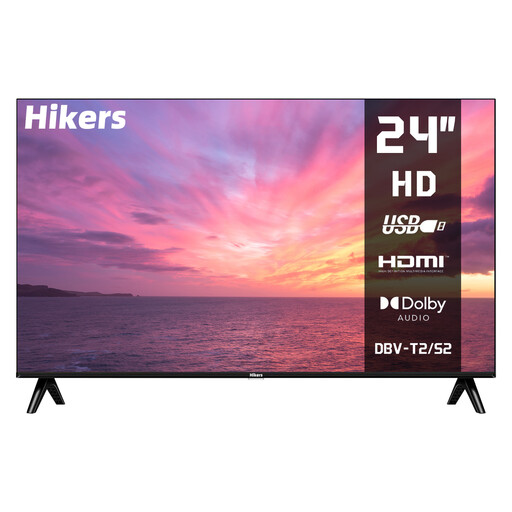
Hikers HD 24-inch TV

Hikers HD 24-inch TV

A 24-inch model to consider if space is limited; compare its size with the distance from your seats.

The title lists HDMI, USB and DVB-S2/T2/C reception. The model is described as non-smart.

View at Joybuy
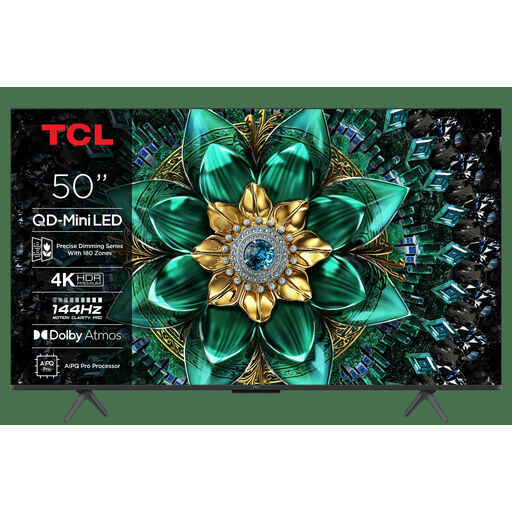
TCL 50Q6C QD-Mini LED 50-inch 4K TV

TCL 50Q6C QD-Mini LED 50-inch 4K TV

A 50-inch model to compare if its size suits your viewing distance and the space available.

The description lists 4K QD-Mini LED, 144 Hz native and HDMI 2.1. The refresh rate is a specification, not a measure of how a rugby broadcast will look.

View at Joybuy

Frequently asked questions

How do you choose a TV size without basing it only on the number of viewers?

Measure the distance from the seats to the planned TV position, and check the TV’s dimensions, including its stand. The Consumentenbond says that in its own research people found a viewing distance of around 2.4 times the screen diagonal comfortable; this is a guide, not a fixed rule for every living room.

How do you position a TV so everyone can see it clearly?

Try out the planned viewing positions and, if possible, check whether daylight falls directly on the screen. If wall-mounting, make sure the bracket suits the exact model; Samsung highlights the importance of checking the model, size and year of manufacture for its brackets.

How can you factor in energy use while watching and afterwards?

Compare energy use per 1,000 hours on the energy label, and don’t set the brightness higher than necessary. Milieu Centraal points out that a separate set-top box also uses energy; whether you need one depends on how you receive TV.

Is the warranty on a TV in the Netherlands always limited to two years?

No. According to ACM ConsuWijzer, the legal guarantee is separate from any retailer’s or manufacturer’s warranty: under normal use, a product must meet the standard you could reasonably expect. If it doesn’t, contact the retailer; there isn’t a fixed legal guarantee of exactly two years for every TV.

What happens to your old TV when you buy a new one?

When you buy a similar new appliance, the Dutch Government says the retailer must take back an old privately owned TV free of charge. The take-back scheme also applies to online purchases; how the handover works may depend on the delivery method.
