What should you look for when buying?
| What to consider |
What to look for |
Who should consider this? |
| Screen size and positioning |
Measure your viewing distance and the available width, including the stand of the exact model. |
If I want to avoid the screen or stand taking up too much space, I start by measuring my room; around 29% of consumers put screen size and positioning first. |
| Motion handling |
Compare sports footage and settings. Check the panel refresh rate, and don’t confuse it with image processing. |
If I want to follow fast rugby action comfortably, I check how the picture looks on the model; around 23% of consumers prioritise motion handling. |
| Light, reflections and viewing angle |
Assess reflections in similar lighting and view the screen from the seats furthest to the side. |
If I watch during the day or guests sit at an angle to the screen, I want to know how the picture looks from those seats; around 18% of consumers start by considering light and viewing angle. |
| Access to the match |
Check the match, channel or service, subscription type and app availability on the TV platform. |
If I want to watch a particular rugby match, I first check how it’s available at home; around 18% of consumers put access to the match first. |
| Energy use and ongoing costs |
Compare the EU energy label and product fiche for the exact models, and check for any sports package costs. |
If I’m also considering electricity use and recurring subscription costs, I compare them alongside the TV itself; around 12% of consumers start with running costs. |
The Consumers’ Association recommends using around 2.4 times the screen diagonal as a guide to viewing distance. Treat this as a starting point, not a hard-and-fast rule, and measure the space available for the TV and its stand too. OLED TVs generally offer wider viewing angles and deeper blacks; QLED TVs can often deliver higher brightness. The picture quality of a specific model and the reflections in your room still matter most.
TVs for a compact viewing space
These Joybuy products include compact OLED and LCD/QLED TVs for a small living room. Compare the screen size with your viewing distance and the space available.
 No image available
LG OLED42C68LA 42-inch 4K OLED TV
A compact OLED option to compare if you have seats to the side or care about deep blacks. Also assess reflections in your room.
42 inches, 4K and OLED. The product name also lists HDR10 and Dolby Vision.
View at Joybuy
 No image available
METZ 43MQF7500Z 43-inch 4K QLED TV
A compact QLED option to assess alongside other screens; the model name alone won’t tell you how rugby footage will look in your room.
43 inches, 4K and QLED. The product name lists MEMC and VRR; check how the TV handles motion.
View at Joybuy
 No image available
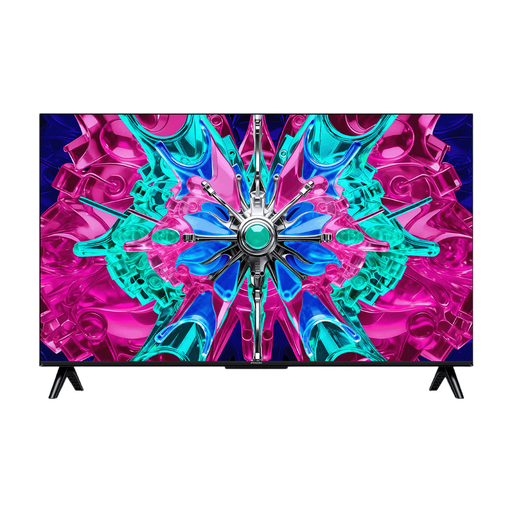
iFFALCON U65A 43-inch 4K LED TV
A 43-inch LED option for anyone comparing compact screens; see for yourself how it handles fast-paced sport and its motion settings.
4K and 50 Hz are listed in the product name; the product information also mentions MEMC.
View at Joybuy
 No image available
TCL 43T6C 43-inch 4K QLED TV
A compact QLED option to compare if you’re looking for a 43-inch screen; assess reflections and motion handling in the room where you plan to use it.
43 inches, 4K and QLED. The product name lists 120Hz; check what this figure means for this model.
View at Joybuy
 No image available
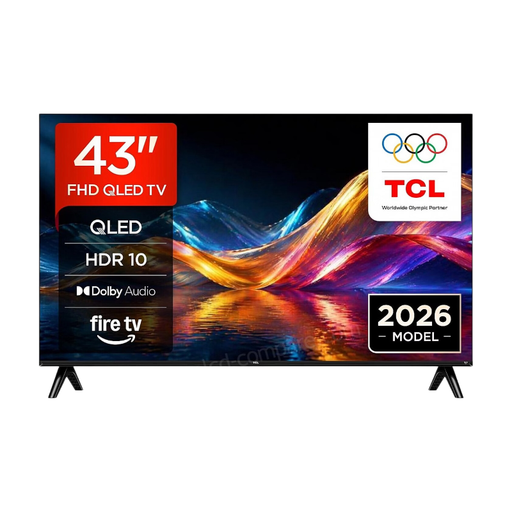
TCL 43V5D 43-inch Full HD QLED TV
A compact QLED option to compare if screen size is your main consideration; check whether the resolution suits your viewing distance and how you watch TV.
43 inches, Full HD and QLED. The product name lists 120Hz; check what this figure means for this model.
View at Joybuy
Frequently asked questions
What screen size is right for a small living room?
Measure the distance from your eyes to the screen and the space available for the TV, including its stand. The Consumers’ Association recommends using around 2.4 times the screen diagonal as a starting point for viewing distance; treat this as a guide, not a fixed measurement.
Do I need a 4K or 144Hz TV for live rugby?
Not necessarily. You also need a suitable broadcast to see 4K detail, and a high Hz figure on the TV doesn’t guarantee flawless playback of fast, unpredictable action. The Consumers’ Association points out that the incoming TV signal is usually 50 Hz and that calculated intermediate frames can cause picture artefacts. Compare sports footage on the TV itself.
Can I watch every rugby match on my TV at no extra cost?
No, check for each match. Ziggo lists rugby on Ziggo Sport and Ziggo Sport Totaal, but the channel or package you need may vary. Also check whether the required app is available on your TV platform and whether there are any subscription costs.
How should I set up and care for my TV on match days?
Compare picture settings using scenes with both light and dark areas, and assess the motion setting during sport. Switch off the TV and let it cool before gently cleaning the screen with a slightly damp microfibre cloth.
Where can I compare TVs’ energy use?
Compare the EU energy label and product fiche for the exact models. The European Commission states that TVs are covered by energy-labelling rules; also check the separate information on HDR energy use.


