Who is this choice relevant to?

Viewers on a wide sofa

You often watch with other people, including from the ends of the sofa. So first check whether colour and contrast hold up from your seat at the side. RTINGS.com notes that a wide viewing angle matters when you have a wide seating arrangement.

Evening film-watchers

You usually sit fairly straight in front of the screen and care most about black levels and shadow detail in dark scenes. The Consumentenbond generally describes OLED TVs as delivering deep blacks.

Viewers in a bright living room

You often watch during the day, so you need to consider reflections, brightness and the space around the screen as well as the viewing angle. The Consumentenbond includes reflections and visibility in ambient light in its testing approach.

What should you look for when choosing?

OLED

A good fit if: you often watch from different seats and dark film scenes matter to you too.

Bear in mind: check for reflections and assess the viewing angle of the exact model. General OLED characteristics do not predict the performance of every individual model.

IPS LCD

A good fit if: a consistent picture from several seats matters more to you than the deepest possible blacks.

Bear in mind: according to RTINGS.com, IPS generally has a wider viewing angle than VA, but lower native contrast. Check that the specific version you choose actually uses IPS.

VA LCD, possibly with mini-LED

A good fit if: you mainly sit directly in front of the screen and value contrast or brightness more than a picture that holds up from a far-off seat at the side.

Bear in mind: VA generally offers higher native contrast than IPS, but a narrower viewing angle. Mini-LED does not, on its own, tell you how wide the viewing angle is on the exact model.

What to consider What to look for when buying Who should pay particular attention?
Picture from the side Compare the horizontal viewing angle of the exact model and view the picture from the ends of your own seating arrangement. If I watch with others from different seats, I want the colours and brightness to remain consistent. Around 36% of consumers give top priority to maintaining picture quality when viewed from the side.
Dark film scenes Assess black levels and shadow detail using film footage; viewing angle alone does not tell you how dark scenes will look. When watching films in the evening, I want to see details in the shadows and take deep blacks into account, especially if most viewers sit directly in front of the screen. Around 29% of consumers prioritise contrast and dark film scenes.
Daylight and reflections Test the TV with the lighting you use at home and look for reflections from both the central seat and the seat at the side. If I watch during the day, I want to be able to assess distracting reflections in the setup where the TV will be placed. Around 21% of consumers prioritise visibility in daylight and reflections.
Size and energy consumption Measure your viewing distance and the available space; compare the EU energy labels and consumption figures for SDR and HDR for the exact models. The European Commission describes energy classes A to G for televisions. I want the screen to suit my viewing distance and available space, and I want to be able to compare models by energy consumption. Around 14% of consumers give top priority to size and energy information.

Common buying mistakes

  • Assuming ‘QLED’ or ‘mini-LED’ means the viewing angle is wide

    These labels do not determine the viewing angle of the LCD panel in the exact TV.

    Check the panel type and independent viewing-angle data for the specific version, or assess the picture from your own seat at the side.

  • Comparing only from directly in front of the screen or in a dark room

    This could mean you miss colour shifts from a seat at the side or reflections that are distracting at home.

    Compare film footage from the seats you plan to use, and check for reflections in ambient light too.

  • Confusing a manufacturer’s warranty or extra service with your statutory rights

    An additional service does not replace your statutory rights against the seller. ACM ConsuWijzer explains that the seller is responsible for providing an appropriate solution if a purchase does not meet your reasonable expectations under normal use.

    Check what service is included, and keep statutory rights separate from any additional terms and conditions.

Brands to compare

LG

The Dutch-market OLED evo C6 range is worth considering if you want to weigh up a wide viewing angle and film contrast together; the OLED55C68LA is one specific model.

  • LG lists an OLED screen and Brightness Booster for the OLED55C68LA.
  • These product specifications are not an independent measurement of viewing angle or reflections; assess those separately.

Philips

According to Philips, the 55OLED810/12 combines OLED with Ambilight, making it worth considering if the lighting behind the screen matters to you too.

  • Philips lists Dolby Vision for this model.
  • Philips’ claim that the picture remains good when viewed at an angle is a manufacturer claim, not an independent measurement of viewing angle. Also check whether Ambilight suits your setup.

Sony

The Dutch-market BRAVIA 8 II is a QD-OLED model to include in a comparison for watching films.

  • For the K55XR8M25BP.CEI, Sony lists a 55-inch version and gives QD-OLED, 4K and HDR as product specifications.
  • These specifications alone do not show that it has a better viewing angle or picture quality than other models.

Samsung

The Dutch-market S90F and S95F ranges are OLED alternatives; compare the full model number and screen size.

  • Samsung identifies the 65-inch S90F as a Dutch-market version.
  • Do not draw conclusions about the viewing angle or panel type of other screen sizes or ranges from that model identity.

TCL

The Dutch-market 55C6K is a QD mini-LED LCD worth comparing with OLED if brightness and LCD contrast matter to you too.

  • TCL lists an HVA panel and halo-reduction technology for this model.
  • The manufacturer’s claims do not show that this model has a wide viewing angle from the side; assess the exact TV yourself.

Joybuy TVs for watching films from the side

These Joybuy models are OLED TVs to compare if you watch films from different seats and care about black levels. The OLED label is not a model-specific measurement of viewing angle; check for reflections and make sure the TV suits your room too.
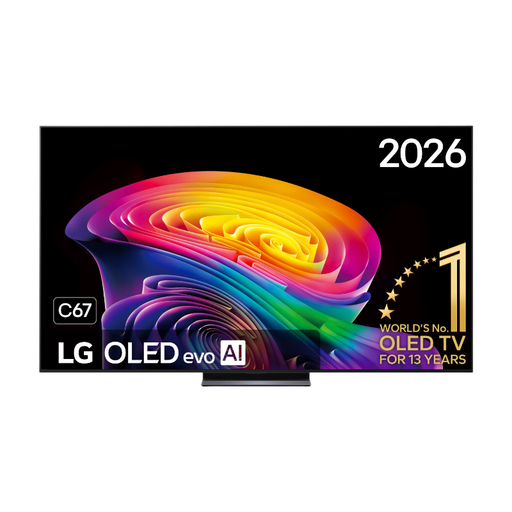
LG OLED83C67LA, 83-inch OLED TV

LG OLED83C67LA 83-inch OLED evo AI C6 4K Smart TV

An OLED model to consider if you watch from several seats; check the viewing angle and reflections on this exact TV.

83 inches; 4K OLED; Dolby Vision; VRR up to 165 Hz.

View at Joybuy
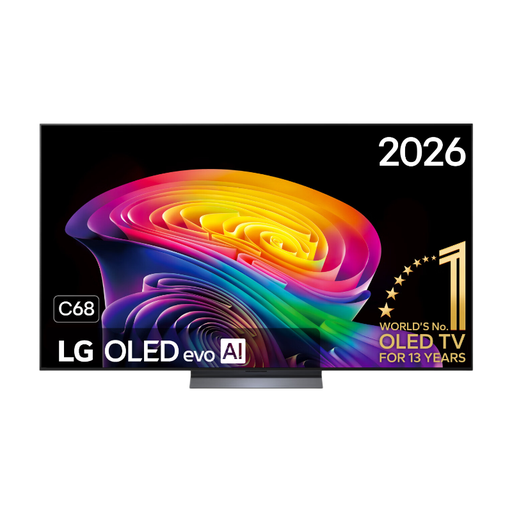
LG OLED65C68LA, 65-inch OLED TV

LG OLED65C68LA 65-inch OLED evo AI C6 4K Smart TV

Consider this size if it suits your viewing distance and available space; the model name alone does not tell you how the picture performs from your seat at the side.

65 inches; 4K OLED; Dolby Vision; VRR up to 165 Hz.

View at Joybuy
LG OLED55C68LA, 55-inch OLED TV

LG OLED55C68LA 55-inch OLED evo AI C6 4K Smart TV

A 55-inch OLED option to compare if the screen size suits your viewing distance; check the viewing angle with your own seating arrangement.

55 inches; 4K OLED; Dolby Vision; Dolby Atmos; VRR up to 165 Hz.

View at Joybuy
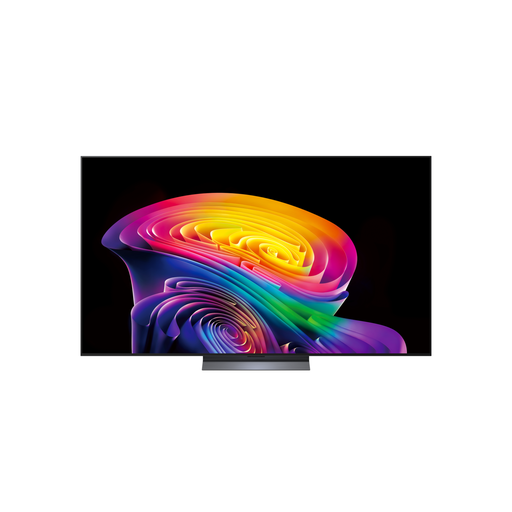
LG OLED42C68LA, 42-inch OLED TV

LG OLED42C68LA 42-inch 4K Ultra HD OLED Smart TV

Compare this screen with your viewing distance and available space; check separately whether the viewing angle suits the layout of your seating.

42 inches; 4K OLED; Dolby Vision; HDR10.

View at Joybuy
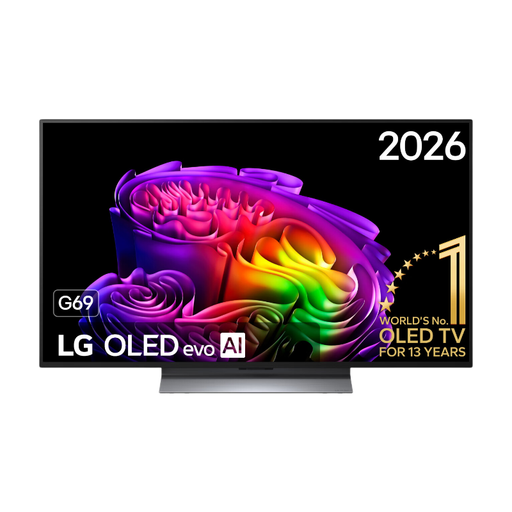
LG OLED48G69LS, 48-inch OLED TV

LG OLED48G69LS 48-inch OLED evo AI G6 4K Smart TV

Include this model in your comparison if 48 inches suits your room and viewing distance; the stated OLED technology is no substitute for assessing the picture from the side.

48 inches; 4K OLED; Dolby Vision; VRR 165 Hz.

View at Joybuy

Frequently asked questions

How can you check whether a TV looks good from your seat at the side?

View images from the seat furthest to the side and check separately for colour shifts, loss of brightness and blacks that look lighter. A measured horizontal viewing angle for the exact model tells you more than the panel label alone.

What screen size suits your sofa and viewing distance?

Measure the distance from your seat to the screen and the space available for the TV. Based on its own research, the Consumentenbond suggests a distance of around 2.4 times the screen diagonal; this is a guideline, not a rule that everyone has to follow.

What should you consider when wall-mounting and using an OLED TV?

Check the recommended mounting method, weight and available wall space for the exact model. If you have an OLED TV, avoid leaving the same image on screen for long periods. An older Consumentenbond test found temporary image retention after exceptionally prolonged display, but this does not determine the risk for a current model.

What information helps you compare energy consumption?

Compare the information on the EU energy label and product information sheet for the exact models, using the same assumptions about use. The European Commission lists energy classes A to G and information for HDR viewing.

What are your rights when you buy a TV online in the Netherlands?

For a typical online purchase of a new television, you generally have a statutory 14-day cooling-off period after delivery, according to ACM ConsuWijzer. The seller is also responsible if the product does not meet your reasonable expectations under normal use; a separate manufacturer’s warranty does not replace these statutory rights.
