
Daylight viewer
You watch during the day with windows or lights opposite the TV, and want to follow the race without distracting reflections.


First compare how well the specific TV model remains visible in daylight and when faced with direct reflections. Then consider motion handling and the viewing angle from your seats. An LCD or Mini LED TV could be a good fit if visibility in a bright room is your priority, while an OLED TV with effective anti-reflection treatment may be worth considering if you also watch from an angle. The screen technology alone doesn’t determine which TV is right for you.
You watch during the day with windows or lights opposite the TV, and want to follow the race without distracting reflections.
You want to keep track of the riders, camera movements and scenery during fast-moving race coverage.
You watch with others sitting in different places and want the picture to remain clear from seats off to the side.
A good fit when: Daylight is the main challenge. Compare how visible the specific model is in bright conditions and how it handles direct reflections.
Trade-off: An LCD screen can often offer higher brightness, but that alone doesn’t tell you how well it handles reflections. The Consumentenbond points out that screen technologies don’t perform equally well in every respect.
A good fit when: You also watch from the side and the specific model performs well in bright conditions.
Trade-off: Not every OLED TV is suited to a bright room. Compare reflection handling, brightness and viewing angle for each model.
| What to consider | What should you check? | Who is this important for? |
|---|---|---|
| Daylight and reflections | Compare both brightness and reflection handling in the lighting conditions you usually have. Look out for windows and lights opposite the screen. | If I watch cycling during the day and my window could be reflected in the screen, I want to know whether the picture will remain visible. Around 36% of consumers say daylight visibility and reflections are their main concern when buying. |
| Motion handling | Check independent reviews of motion handling for the specific model; the stated refresh rate doesn’t tell you everything. | If I want to keep following the riders and camera movements, I pay attention to how motion looks in practice. Around 29% of consumers prioritise a clear picture during fast-moving race coverage. |
| Viewing angle | Assess the picture from the seats you actually use, especially if viewers won’t be sitting directly in front of the TV. | If we watch from different seats on the sofa, I want the sides of the screen to remain easy to see too. Around 21% of consumers say picture quality from seats off to the side is their main concern. |
| Screen size and running costs | Measure your viewing distance and available space; compare the EU energy label for the exact model and check whether it can be used with a stand or wall-mounted. | If I’m looking for a TV that suits my viewing distance and setup, I also want to take the model’s energy consumption into account. Around 14% of consumers say suitable screen size and running costs are their main concerns when buying. |
A high stated brightness doesn’t automatically stop a window from being reflected in the screen. Brightness and reflection handling are separate factors to compare.
Check test results for both features and consider the position of windows and lights in your own living room.
A stated refresh rate alone doesn’t prove how clearly the specific model displays fast-moving images.
Compare motion-handling reviews for the TV you’re considering, and take into account the type of TV signal you use.
There is no fixed statutory warranty period in the Netherlands. According to the Dutch government, what you can expect from a product depends on the circumstances; if a product is faulty, the retailer is your point of contact.
Before buying, check exactly which additional damage or services an extended warranty covers, and keep its terms separate from your statutory rights.
The Dutch S95H OLED range is worth comparing if reflection handling and viewing angle are high on your list.
The Dutch BRAVIA 9 II is an RGB LED option worth comparing for a bright living room.
The Dutch C8K QD-Mini LED range offers an LCD and Mini LED option in several large sizes.
The The Xtra 65PML9009/12 combines QD MiniLED with Ambilight, making it worth considering if you want that feature too.
These Joybuy TVs are LCD and Mini LED options to compare by screen size, stated picture features and suitability for your viewing setup.
 No image available
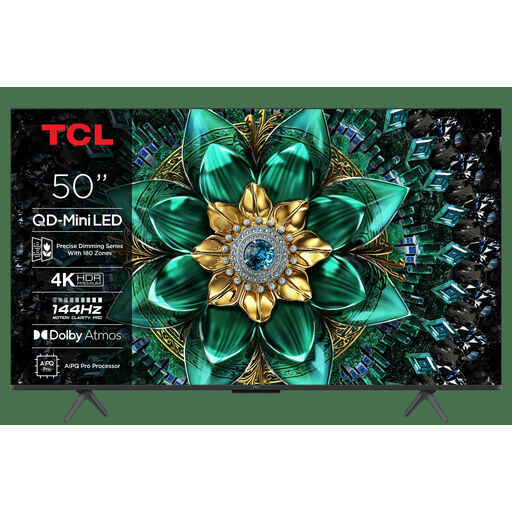
A 50Q6C option to compare if you’re looking for a QD-Mini LED TV; the stated features alone don’t prove how well the model handles reflections or fast-moving race coverage.
According to the product title: 4K, 1000 nits and 144 Hz.
 No image available
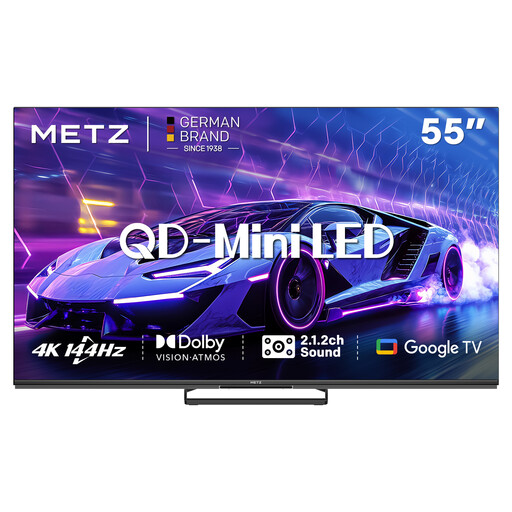
This 55-inch model is worth comparing if you’re looking for a QD-Mini LED TV; check motion handling separately for the specific model.
According to the product title: 4K HDR 10+, 144 Hz and Sports Mode.
 No image available
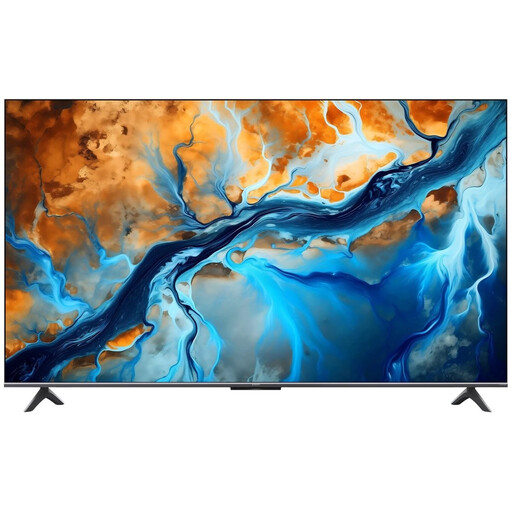
A 55-inch Mini LED option to compare; for motion handling and daylight visibility, check reviews of the specific model too.
According to the product title: 4K and 144 Hz.
 No image available
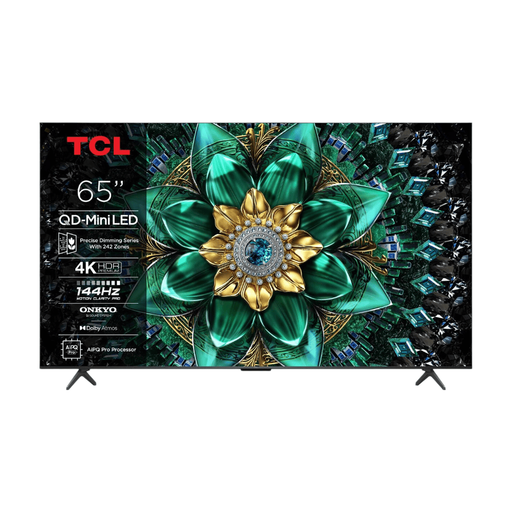
With a stated screen size of 65 inches, this model is worth comparing if you’re looking for a larger screen; measure your viewing distance and available space first.
According to the product information: 4K, 1000 nits, 120 Hz native and 144 Hz VRR. These are stated features, not independent test results.
 No image available
A 55-inch QLED option to compare; the stated refresh rate is no substitute for an assessment of motion handling during sport.
According to the product title: 4K and 144 Hz.
No. Compare visibility in bright conditions, reflection handling and motion handling for each model. The Consumentenbond explains the differences between screen technologies, but doesn’t say that one technology is better in every respect.
Assess the picture using the lighting you normally have, rather than relying only on a shop setting. The Consumentenbond recommends taking your usual room conditions into account when adjusting your TV; changing the picture settings can affect energy consumption.
Measure the distance from your seat to the TV and check how much space you have. The Consumentenbond suggests dividing the viewing distance by 2.4 to estimate the screen diagonal in centimetres; also check the stand and whether the model can be wall-mounted.
The EU energy label gives an energy rating from A to G and includes information to help you compare models, including figures for HDR use. It won’t tell you exactly what your electricity bill will be: compare the exact models and take your usage and settings into account.
No, there is no fixed statutory warranty period in the Netherlands. According to the Dutch government, what you can expect from a product depends on the circumstances; if a product is faulty, the retailer is your point of contact. A manufacturer’s warranty or an extended warranty you’ve bought is separate from your statutory rights.