
Watching from a distance
You want to follow landscapes and details from your usual seat, without choosing a TV that won’t fit your room.


Start by measuring the distance from your eyes to the screen, then choose a size that also suits your room. The Consumentenbond uses the viewing distance in centimetres divided by 2.4 as a guide to screen diagonal; also compare picture quality in your room’s lighting and from your usual seats. OLED can be a good choice for viewing from an angle or watching dark scenes, while a bright LCD model may suit a light room. 4K only adds detail if the programme source offers it too.
You want to follow landscapes and details from your usual seat, without choosing a TV that won’t fit your room.
You watch travel programmes in a bright living room and want to consider both screen brightness and distracting reflections.
You pay attention to dark scenes and want to know whether the picture still looks good from a seat beside the sofa.
First, measure your viewing distance and available space. Then compare picture quality, lighting conditions and programme sources on the TV you’re considering.
| What to consider | What should you check? | Who is this important for? |
|---|---|---|
| Screen size and placement | Measure the distance from your eyes to the screen. The Consumentenbond uses the distance in centimetres divided by 2.4 as a guide to screen diagonal. Also check the TV’s overall dimensions, including the stand. | If I sit a long way from the screen, I want to follow landscapes from my usual seat and make sure the TV fits in my room. Around 31% of consumers put screen size and placement first. |
| Daylight and reflections | View the screen in lighting similar to your living room, and check for windows, lamps and screen brightness from your usual seat. | If I watch during the day, I want to follow the picture without the light or reflections becoming distracting. Around 25% of consumers prioritise visibility in daylight. |
| Contrast and viewing angle | Compare dark and bright scenes from your usual seat and from an angled seat. Assess the specific model, not just the screen type. | If I watch in the evening or don’t sit directly in front of the TV, I want to make out dark landscapes and details clearly from my seat. Around 19% of consumers prioritise contrast or viewing from an angle. |
| Motion and programme source | Watch a similar slow camera pan and check that your preferred apps or connections work with your own source. | If I watch landscapes with slow camera movements, I want to see how the picture looks with my own TV or streaming source. Around 13% of consumers prioritise smooth motion or access to programmes. |
| Power consumption | Compare the energy labels for the exact models, checking consumption in kWh per 1,000 hours for standard picture and HDR. | If I use a large TV frequently, I want to take its stated power consumption into account when choosing. Around 12% of consumers prioritise running costs. |
Extra detail also depends on the content you watch. A stated refresh rate alone doesn’t tell you how a slow camera pan will look on your screen.
Watch travel programmes or similar landscape footage on the TV, and check which source you’ll be using.
A suitable screen diagonal doesn’t automatically mean there’ll be no reflections or that the picture will look good from an angled seat.
Compare the screen from your usual seats and in lighting similar to your home.
Not every smart TV platform offers the same apps. Wall mounting also depends on the TV, the bracket and the wall.
Before buying, check that your preferred apps and connections are available, and read the mounting instructions for both the TV and the wall.
In the Netherlands, statutory guarantees apply alongside any commercial warranty. If something goes wrong, contact the retailer.
Check what an additional warranty covers and how it adds to your statutory rights.
The QE75QN90FATXXN is a 75-inch Neo QLED mini LED model to consider if you’re looking for a large screen for a bright room.
The OLED77C5ELB is a 77-inch OLED model to consider if you watch from further away and sometimes view the TV from an angle.
The 65OLED850/12 combines a 65-inch OLED screen with Ambilight. It’s worth comparing if a size of around 65 inches suits your viewing distance and available space.
The 75U7Q is a 75-inch 4K mini LED model with VIDAA to include when comparing screen size, lighting conditions and programme sources.
The 75C7K is a 75-inch QD mini LED model to consider if screen size and adjustable backlighting are important to you.
These TVs are options to compare with your measured viewing distance and available space. When choosing, also consider lighting conditions, viewing angle and programme source.
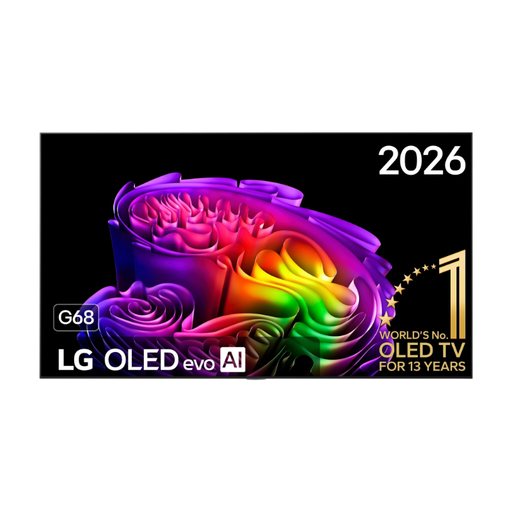 No image available
A large OLED option to compare if you watch from a long distance. Check that the screen size and placement suit your room.
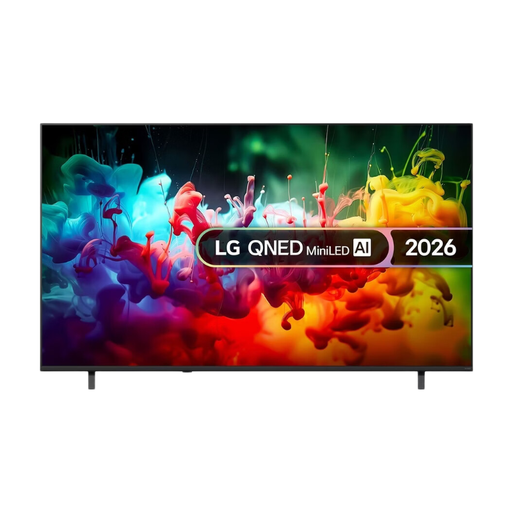 No image available
Compare the stated 75-inch size with your measured viewing distance and available space. The product name also specifies 4K and Mini LED.
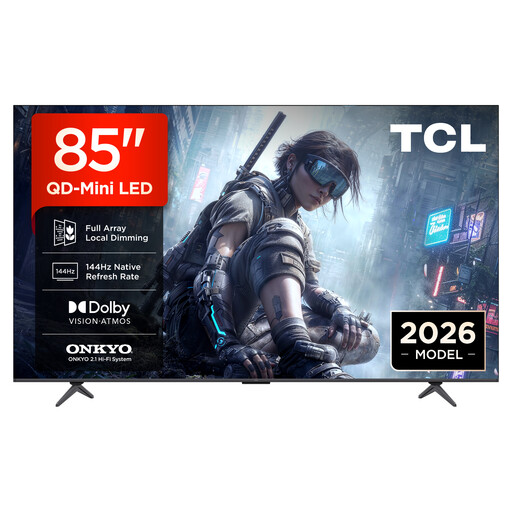 No image available
Compare the stated 85-inch size with your viewing distance and available space. The product name specifies 4K, QD-Mini LED and 144 Hz; assess motion using your own programme source too.
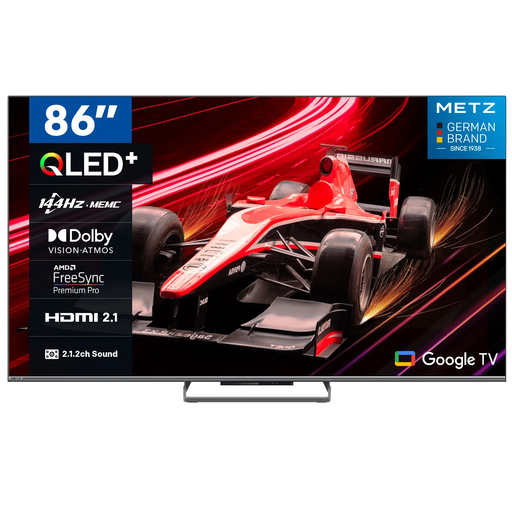 No image available
The stated 86-inch size is an option to assess against your viewing distance and available space. The product name specifies 4K, HDR10+ and Dolby Vision.
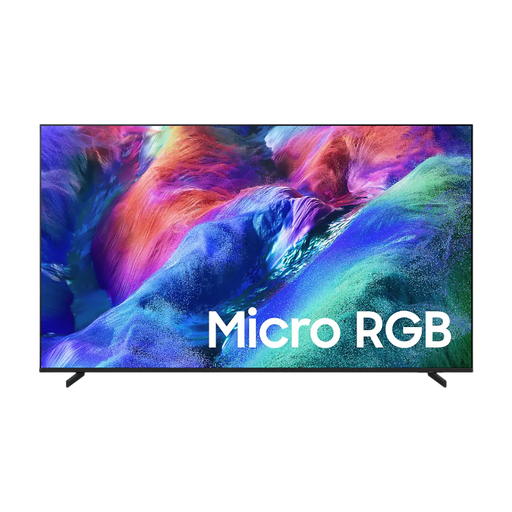 No image available
Compare the stated 75-inch size with your viewing distance and available space. The product name also specifies Micro RGB and 4K.
No. The Consumentenbond uses the distance from your eyes, divided by 2.4, as a guide to the diagonal in centimetres. Compare nearby sizes too, and check that the TV’s overall dimensions will fit.
No. According to the Consumentenbond, the programme itself must also be available in 4K to show that extra detail, and the difference from Full HD isn’t always easy to see. Check the resolution of the source you use.
Check that the bracket is suitable for your TV and wall, and follow the installation instructions. LG recommends using a professional technician for wall mounting to avoid possible damage. This is the manufacturer’s advice, not a general legal requirement to use an installer.
Compare the energy labels for the exact models, checking the stated kWh per 1,000 hours for standard picture and HDR. Energielabel.nl lists these figures to help you compare; your own consumption also depends on how long you watch.
When you buy as a consumer from a professional seller, statutory guarantees apply: the TV must meet what you can reasonably expect under normal use, and the retailer is your point of contact if something goes wrong. According to ACM ConsuWijzer, a typical online product purchase usually comes with a 14-day cancellation period after delivery. Check which exceptions and return conditions apply.