If people are spread across the sofa, compare the picture from the seats at either end. OLED TVs generally have wider viewing angles than LCD TVs, but performance varies by model. Also consider reflections, daylight, screen size and running costs: a bright picture when viewed head-on doesn’t automatically mean the TV will look good from the side. The Consumentenbond describes OLED TVs as generally having wider viewing angles; RTINGS.com compares the viewing angles of IPS and VA panels.
Who should consider viewing angle?
People watching from a wide sofa
You often watch travel programmes with others from seats away from the centre, and want landscapes to look just as impressive from there. The Consumentenbond and RTINGS.com both highlight viewing angle as something to consider when choosing a TV.
People watching in a bright room
You watch during the day and want to take into account both seats at an angle to the screen and incoming light and reflections. The Consumentenbond lists brightness and viewing angle as relevant factors.
People with limited space or budget
You’re looking for a screen size that suits your viewing distance and don’t want to pay for features you won’t make much use of from your seat. The Consumentenbond highlights viewing distance and screen size as factors to consider when choosing.
What should you look for when choosing?
Compare the picture from the seats you usually use, then take account of light, screen size and running costs.
| Factor to consider |
What should you check? |
Who is this important for? |
| Picture from seats to the side |
Compare the model from the middle and end seats; check the viewing angle of the exact version. |
If I’m sitting at an angle to the TV with other people, I want landscapes to remain clearly visible from those seats. Around 42% of consumers give viewing angle top priority. |
| Daylight and reflections |
Assess the screen in lighting conditions similar to your home, and view it from the seats at the sides too. |
People who watch during the day want to assess the picture with both the room lighting and their seating position in mind. Around 25% of consumers prioritise visibility in daylight. |
| Screen size to suit your space |
Measure the viewing distance and available space, and note where the seats at either end are positioned. |
If the TV needs to fit a particular viewing distance and space, I want to choose a size that suits them. Around 17% of consumers give screen size and space top priority. |
| Running costs and warranty |
Compare the energy label for the exact version and read any additional warranty terms alongside your statutory rights. |
People who place a high priority on energy use and what happens if something goes wrong also want to understand the terms covering use and warranty. Around 16% of consumers give these factors top priority. |
Common pitfalls
-
Assuming QLED or mini-LED guarantees a wide viewing angle
The name alone doesn’t tell you how an LCD panel looks when viewed at an angle. The Consumentenbond describes OLED as generally offering a wider viewing angle than LCD; RTINGS.com says IPS panels perform better than VA panels in this respect.
Compare the specific model from a seat at the end of the sofa and, for LCD TVs, check which panel it uses.
-
Judging brightness only from directly in front of the screen
Brightness, reflections and viewing position are separate factors to consider. A bright picture when viewed head-on doesn’t tell you how clearly you’ll see the screen from the side.
Assess the TV in lighting conditions similar to your room and from the seats you actually use.
-
Assuming an extended warranty covers all your warranty rights
In the Netherlands, statutory warranty applies alongside any warranty from the retailer or manufacturer, according to ACM ConsuWijzer.
Read the terms of any additional cover and check what it offers beyond your statutory rights.
-
Assuming a similar model number means it’s the same TV
The Philips 55MLED810/12 is a mini-LED model, while the Philips 55OLED810/12 is an OLED model; the product listings from Joybuy and Philips specify different screen technologies.
Check the full model number and screen technology before matching specifications to a TV.
Relevant brands
LG
The LG OLED B6 range is worth considering if several people often watch from an angle. LG lists the 55-inch OLED55B68LA as having a 4K OLED screen.
- OLED may suit you if you’re considering viewing angle from different seats; the Consumentenbond says OLED TVs generally offer wider viewing angles than LCD TVs.
- A model specification isn’t an independent measurement of viewing angle. Compare the picture and any reflections on the version you’re considering.
Philips
According to Philips, the Philips OLED Ambilight range combines an OLED screen with Ambilight in the 55OLED810/12.
- Ambilight is a separate feature to consider if lighting behind the screen matters to you.
- Ambilight doesn’t prove that the picture looks better from a seat to the side. Compare the viewing performance of the exact version.
Samsung
The OLED S99H range includes the 65-inch QE65S99HATXXN. Samsung lists OLED and an energy label for this version.
- An OLED model is an option to consider if people won’t always be sitting directly in front of the TV; according to the Consumentenbond, OLED TVs generally offer wider viewing angles than LCD TVs.
- Compare the viewing angle and reflections of the specific model with other versions; manufacturer information isn’t an independent performance comparison.
Sony
The BRAVIA 8 II is a QD-OLED model. For the 55-inch K-55XR8M2, Sony lists features including Google TV and sound from the screen.
- These features may be relevant if you’re weighing up streaming and sound as well as picture quality.
- Sony’s product information isn’t an independent viewing-angle test. Compare the picture from your seats to the side and check that the stand will fit your furniture.
Joybuy products
This Joybuy selection includes OLED TVs in 55- and 65-inch sizes. Compare the screen size with your viewing distance and assess each model from the seats at either end.
 No image available
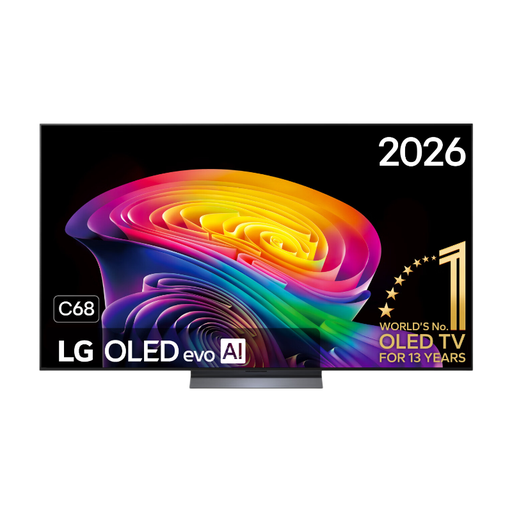
LG OLED65C68LA C6
According to the Consumentenbond, OLED TVs generally offer wider viewing angles than LCD TVs; compare this model’s picture from your seat at the end of the sofa.
65-inch; OLED evo; 4K; Smart TV.
View at Joybuy
No image available
LG OLED55C68LA C6
According to the Consumentenbond, OLED TVs generally offer wider viewing angles than LCD TVs; compare this model’s picture from your seat at the end of the sofa.
55-inch; OLED evo; 4K; Smart TV; 120 Hz native.
View at Joybuy
 No image available
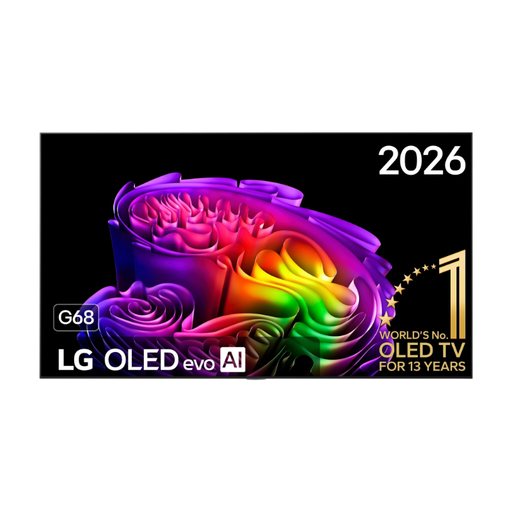
LG OLED55G68LW G6
According to the Consumentenbond, OLED TVs generally offer wider viewing angles than LCD TVs; compare this model’s picture from your seat at the end of the sofa.
55-inch; OLED evo; 4K; Smart TV; 120 Hz.
View at Joybuy
 No image available
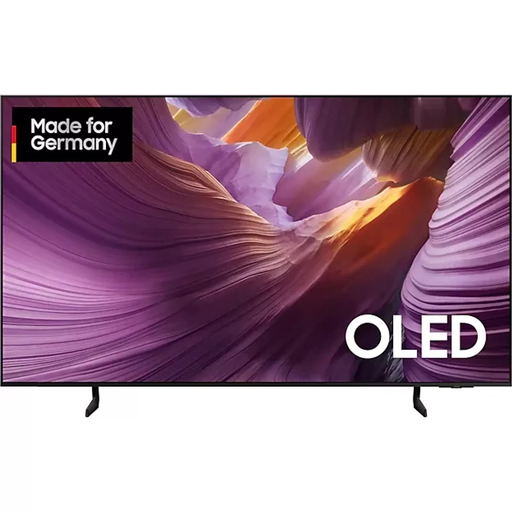
Samsung S85F Series GQ55S85FAU
According to the Consumentenbond, OLED TVs generally offer wider viewing angles than LCD TVs; compare this model’s picture from your seat at the end of the sofa.
55-inch; OLED; 4K.
View at Joybuy
 No image available
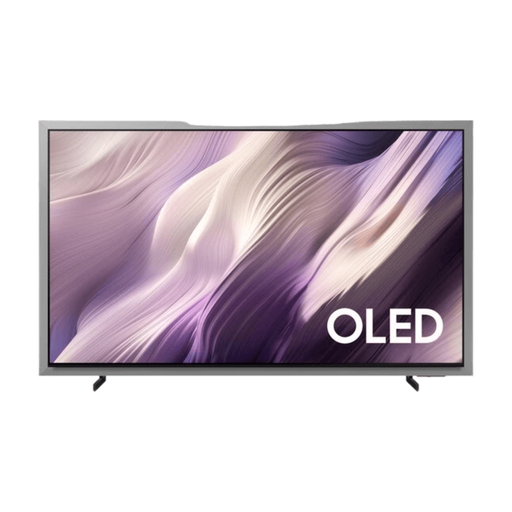
Samsung QE55S99HATXXN
According to the Consumentenbond, OLED TVs generally offer wider viewing angles than LCD TVs; compare this model’s picture from your seat at the end of the sofa.
55-inch; QD OLED; 2026.
View at Joybuy
Frequently asked questions
Is QLED the same as OLED?
No. According to the Consumentenbond, QLED is an LCD TV, while OLED uses a different screen technology. If you’ll be sitting at an angle, compare the viewing angle of the exact model.
How can I check the picture after installation?
Watch a familiar scene with light and dark areas from every seat you normally use. The Consumentenbond also recommends using a scene like this when adjusting picture settings.
What costs and rights should I consider if the TV breaks?
Compare the energy label and the terms of any additional warranty. ACM ConsuWijzer explains that statutory warranty applies alongside any warranty from the retailer or manufacturer, so read the additional terms separately.
What can I do with my old TV in the Netherlands?
According to the Dutch government, you can return an old appliance to the shop or online service where you buy a new, similar appliance, or take it to your local council’s recycling centre. When you buy, ask how the take-back service works in practice.


