What should you look for?
OLED TV
A good fit if: you often sit to one side and care about both viewing angles and dark details. The Dutch Consumers’ Association generally describes OLED as a technology with wider viewing angles and deeper blacks.
The trade-off: reflections and brightness vary by model. OLED alone doesn’t prove that colours will remain accurate from your seat.
LCD TV with a confirmed IPS panel
A good fit if: you want an LCD TV and consistent picture quality from different seats matters to you. RTINGS generally describes IPS as an LCD panel type with wider viewing angles than VA.
The trade-off: IPS generally has lower contrast than VA. Check that the panel type applies to the exact version you’re considering.
LCD TV with a confirmed VA panel
A good fit if: the viewing angle is narrow, or you can turn the TV towards you, and contrast matters more than picture quality from far off to the side. RTINGS generally describes VA as a panel type with a narrower viewing area than IPS.
The trade-off: colours and brightness may change sooner when viewed from a side seat. Assess the model from the seat you usually use.
For each model, compare the same still image from the centre and from your usual seat. This lets you assess colour shifts, washed-out tones and loss of detail in dark areas side by side.
| What to consider |
What should you check? |
Who should pay particular attention? |
| Colour and brightness from a side seat |
Compare the same image from the centre and from your usual seat. Look for colour shifts and loss of detail in dark areas. |
If I usually sit off-centre, I want to assess the colours in paintings and the brightness from that seat. Around 42% of consumers in this buying situation prioritise viewing angles. |
| Subtle colours and details |
View a familiar image with light and dark areas in a home mode, not just the shop mode. |
If you care about brushwork and subtle colour differences, you’ll want to compare the settings carefully. Around 25% of consumers give subtle colours and details top priority. |
| Reflections and daylight |
Assess the screen from your seat with the lighting you normally use. Check for reflections and brightness. |
If I watch during the day, I want to know whether windows or lamps are distracting from my seat. Room lighting is the top priority for around 17% of consumers. |
| Size and running costs |
Measure your viewing distance and available space, and compare the energy information for the exact versions. |
If you’re looking for the right size and want to factor in energy use, compare these points before you buy. Around 16% of consumers prioritise size and running costs. |
Joybuy products
These Joybuy picks are OLED TVs for anyone who wants to take wide viewing angles into account. The Dutch Consumers’ Association generally describes OLED as a technology that tends to offer wider viewing angles. Check the picture and reflections of the exact model from your usual seat.
 No image available
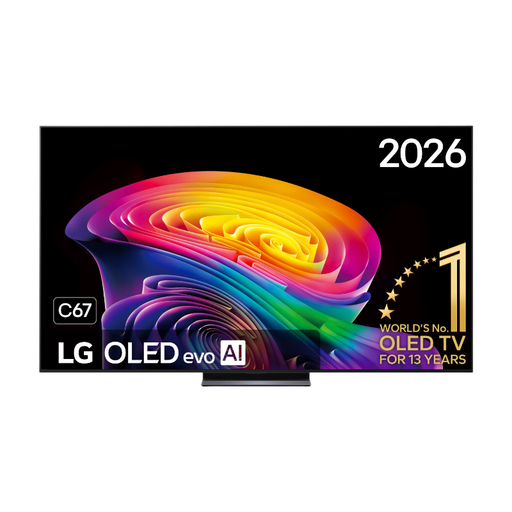
LG OLED83C67LA OLED evo AI C6 4K Smart TV
OLED is one option to compare if you watch from the side; the Dutch Consumers’ Association’s general description isn’t a viewing-angle measurement for this specific model.
83-inch OLED evo AI C6 4K Smart TV. Measure your viewing distance and available space before choosing this size.
Joybuy
 No image available
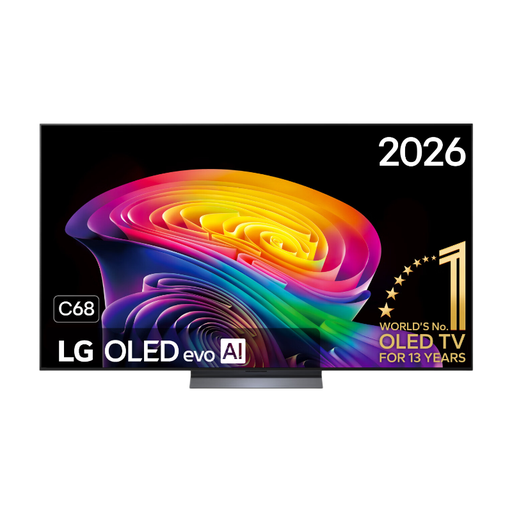
LG OLED65C68LA OLED evo AI C6 4K Smart TV
This OLED version is worth comparing if you watch from a side seat. Check the picture on this model in your own room.
65-inch OLED evo AI C6 4K Smart TV.
Joybuy
No image available
LG OLED55C68LA OLED evo AI C6 4K Smart TV
The 55-inch version is an OLED model to consider if you watch works of art from the side. The technology alone doesn’t guarantee that colours will remain consistent from your seat.
55-inch OLED evo AI C6 4K Smart TV.
Joybuy
 No image available
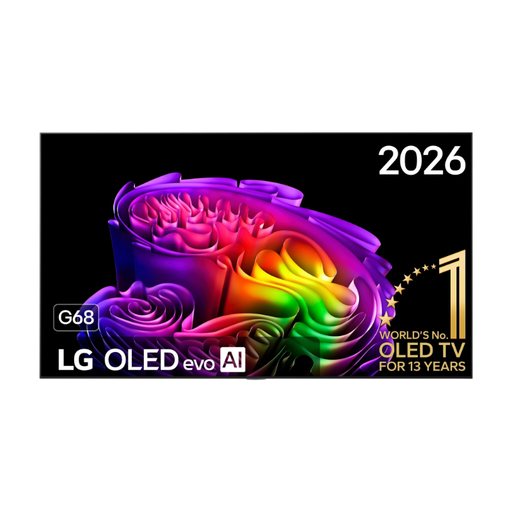
LG OLED55G68LW OLED evo AI G6 4K Smart TV
This OLED model is worth assessing from the seat you plan to use. Also check that the mounting option suits the place where you want to use the TV.
55-inch OLED evo AI G6 4K Smart TV. The description lists an integrated wall mount and no table stand.
Joybuy
 No image available
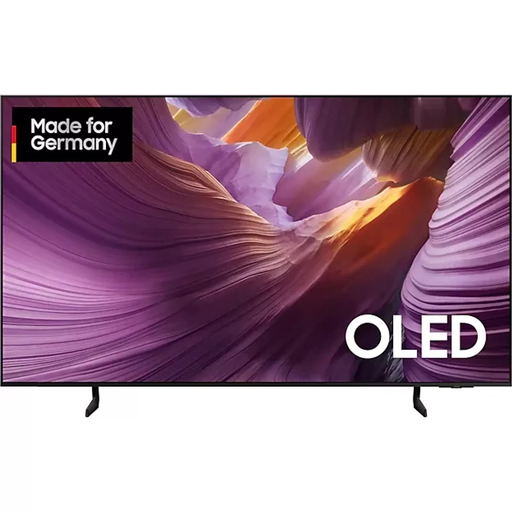
Samsung S85F GQ55S85FAU 55-inch OLED 4K TV
OLED is one option to compare for a wide seating arrangement. Assess the viewing angle and reflections of this specific version for yourself.
55-inch OLED 4K TV.
Joybuy
Frequently asked questions
Can I assess the viewing angle by standing directly in front of the TV?
No. Compare the same image from the centre and from your usual seat. Colour shifts, loss of brightness and changes to dark details may only become noticeable when you view the screen from the side.
Which picture setting should I use to assess art documentaries?
Start with a home mode in your usual room lighting, rather than the often extra-bright and vivid shop mode. Use a familiar still image with light and dark details to compare the settings.
Is a two-year manufacturer’s warranty also the maximum legal guarantee in the Netherlands?
No. According to ACM ConsuWijzer, the legal guarantee doesn’t have a fixed two-year term; it depends on what you can reasonably expect from the TV with normal use. Contact the retailer if a product develops a fault too soon.
What energy information applies to televisions?
The European Commission states that electronic displays, including televisions, have an energy label scale from A to G. Compare the energy information for the exact models you’re considering.
How do you clean an LG TV screen?
LG advises switching off the TV, unplugging it and letting the screen cool before gently wiping it with a soft microfibre cloth. Don’t use alcohol, acetone or glass cleaner, and don’t spray water directly onto the screen. For other brands, follow their own instructions.


