If guests are sitting at an angle to the screen, OLED is a good technology to compare: OLED TVs generally have a wider viewing angle than LCD TVs. Check for reflections and brightness from the seats you’ll actually use, and before you buy, make sure your film will play and the screen size suits the room.
Who is this TV choice relevant to?
Film night with guests sitting to the side
You’re sharing one screen with people who won’t all be sitting directly in front of it, so viewing angle and contrast retention are worth considering. Consumentenbond says OLED TVs generally have a wider viewing angle.
Viewers in a bright living room
You often watch during the day and want to assess reflections and brightness from all the seats you use, not just the middle of the sofa. Consumentenbond highlights brightness as something to consider when watching in a bright room.
Holiday film played from a phone or USB drive
You want to play your own video files, so you’ll need to check the connections, sharing options and support for your file format. Sony Netherlands lists HDMI inputs and USB file formats, among other features, for the K-55XR8M2.
What should you look for when choosing?
OLED
A good fit when: guests will mainly watch from seats at an angle and viewing angle is your top priority.
Bear in mind: reflections still depend on where the screen is positioned; if you leave a static image on screen for a long time, it’s worth taking care to reduce the risk of image retention.
LCD, such as QLED or mini-LED
A good fit when: brightness in a light room is a major priority and the specific TV is also easy to see from the seats to the side.
Bear in mind: QLED and mini-LED labels alone don’t guarantee a wide viewing angle.
First, decide which seats and lighting conditions matter most. Then check how you’ll play your film and measure the space for the screen.
| What to consider |
What to look for when buying |
Who is this important for? |
| Viewing angle from seats to the side |
Watch the same scene from the seats you plan to use and compare specific models. Consumentenbond says OLED TVs generally have a wider viewing angle than LCD TVs. |
When I watch with guests from the ends of the seating area, I want the picture to remain easy to see. Around 42% of consumers say viewing angle is their main concern. |
| Daylight and reflections |
Assess light and dark scenes during the day from the seats to the side, and look for reflections where you plan to put the screen. |
When watching a film during the day, I want to judge whether light from the windows will get in the way. Around 25% of consumers prioritise daylight and reflections. |
| Playing your own holiday film |
Identify the source device and file format, then check the connections and playback options supported by the exact model. Sony Netherlands lists supported USB file formats for the K-55XR8M2. |
If I want to play my own film, I want to know in advance whether my device and file will work. Around 17% of consumers say hassle-free playback is their main concern. |
| Size and positioning |
Measure the viewing distance and the space available for the TV, including its stand. Consumentenbond suggests around 2.4 times the screen diagonal as a comfortable viewing distance; use this as a starting point, not a fixed rule. |
I want the screen to suit the viewing distances and TV unit, including for seats at the side. Around 16% of consumers prioritise size and positioning. |
Common pitfalls
-
Assuming QLED or mini-LED means the viewing angle is wide
These terms refer to LCD variants and don’t, on their own, tell you how the picture will look from seats to the side.
Compare the exact model with an OLED alternative from the seats you plan to use.
-
Buying a larger 4K TV without checking your film source and viewing distance
A 4K screen won’t add 4K detail to a film that wasn’t recorded in 4K. The size also needs to suit the room and viewing distances.
Check your film’s resolution, measure the viewing distances and check the TV’s external dimensions, including its stand.
-
Confusing two similar Philips model numbers
The Philips 55OLED810/12 is an OLED model; the Philips 55MLED810 is a mini-LED model. Similar model names don’t mean they’re the same TV or use the same screen technology.
Check the full model code and screen technology before relying on specifications or purchase information.
Brands to compare
LG
The OLED B6 range is worth considering if guests will be sitting at an angle; assess reflections for each model.
- LG Netherlands lists the OLED55B68LA as a 55-inch OLED TV.
- General considerations about OLED viewing angles aren’t a measurement of this specific model.
Philips
The 55OLED810/12 combines OLED with Ambilight, making it worth considering if you’re interested in that feature too.
- Philips lists a 55-inch OLED version.
- Ambilight isn’t established here as evidence of a better viewing angle.
Sony
The BRAVIA 8 II K-55XR8M2 is worth considering if playing content from different devices is important to you.
- Sony Netherlands lists four HDMI inputs and USB file formats for this model.
- Check whether your film’s codec is supported; these connection details don’t tell you anything about reflections.
TCL
The 55C6K is a QD mini-LED LCD model to compare if daylight is an important factor.
- TCL lists an HVA panel and high HDR brightness for this model.
- These specifications don’t establish that the viewing experience from seats at an angle is comparable to OLED.
Joybuy product picks
These product picks include OLED and mini-LED TVs for a shared film night. Check the picture from seats at an angle and bear the light in the room in mind.
 No image available
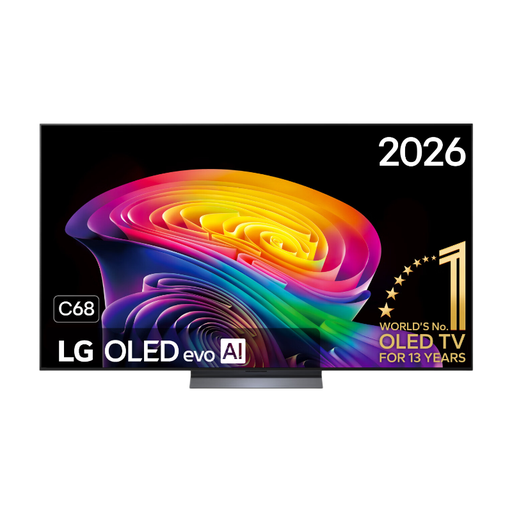
LG OLED65C68LA 65-inch OLED evo 4K TV
OLED is a technology worth comparing if guests will be sitting at an angle; Consumentenbond says OLED TVs generally have a wider viewing angle than LCD TVs. Check for reflections where you plan to put the screen, too.
According to the product name: 65 inches, OLED evo and 4K.
View at Joybuy
 No image available
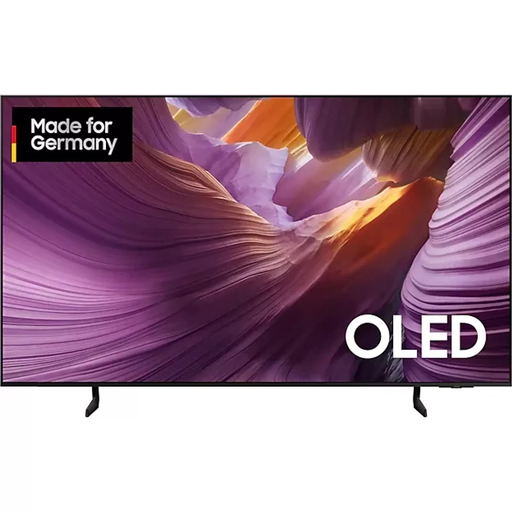
Samsung S85F Series GQ55S85FAU 55-inch OLED 4K TV
OLED is a technology worth comparing if guests will be sitting at an angle; Consumentenbond says OLED TVs generally have a wider viewing angle than LCD TVs. Check for reflections where you plan to put the screen, too.
According to the product name: 55 inches, OLED and 4K.
View at Joybuy
 No image available
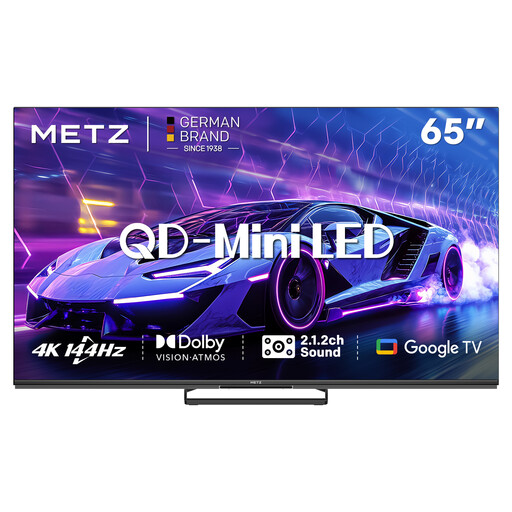
METZ 65MNE8000Z 65-inch QD mini-LED TV
This mini-LED model is an LCD option to compare if daylight is a factor. Don’t assume that its viewing angle will suit seats at an angle based on the technology name alone.
According to the product name and description: 65 inches, QD mini-LED and 4K.
View at Joybuy
 No image available
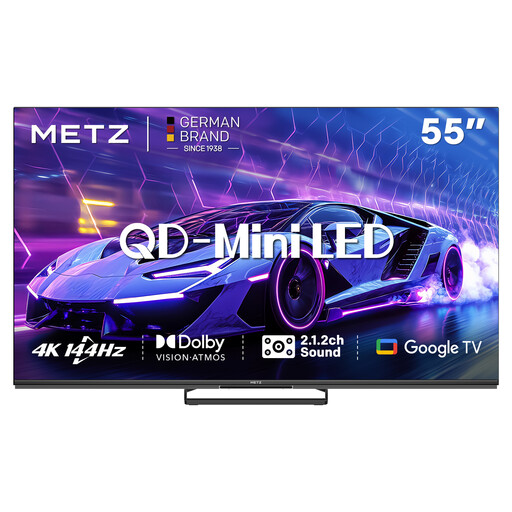
METZ 55MNE8000Z 55-inch QD mini-LED TV
This mini-LED model is an LCD option to compare if daylight is a factor. Don’t assume that its viewing angle will suit seats at an angle based on the technology name alone.
According to the product name and description: 55 inches, QD mini-LED and 4K.
View at Joybuy
 No image available
Xiaomi S Mini LED 55-inch 4K TV
This mini-LED model is an LCD option to compare if daylight is a factor. Don’t assume that its viewing angle will suit seats at an angle based on the technology name alone.
According to the product name: 55 inches, Mini LED and 4K.
View at Joybuy
Frequently asked questions
Is OLED always suitable for every seat?
No. Assess the specific TV from the seats you’ll be using, too. According to Consumentenbond, OLED TVs generally have a wider viewing angle than LCD TVs, but reflections also depend on where the screen is positioned.
Can I play my holiday film from a USB stick?
That depends on the TV model and the file. Compare your film’s codec and container with the USB file formats supported by the exact model; Sony Netherlands lists these formats for the K-55XR8M2.
How can I reduce the risk of image retention on an OLED TV?
Don’t leave a static menu or other fixed image on screen for longer than necessary, and vary what you watch during normal use. Consumentenbond reported image retention in an older, demanding test; the results don’t predict how a current model will perform.
How do I compare energy use and my rights when buying online?
Compare European energy labels on a like-for-like basis: the label includes energy consumption for SDR and HDR, among other details. According to ACM ConsuWijzer, online purchases in the Netherlands generally come with a statutory cooling-off period of up to 14 days after delivery. You’re also entitled to a product that meets what you could reasonably expect; a manufacturer’s warranty doesn’t replace this statutory right.


