
Family with side seating
You watch animated films together and want colours and dark tones to remain clear even from the end of the sofa. The Dutch Consumers’ Association highlights viewing angle as something to consider when choosing a TV.


For watching animated films from the side, OLED is generally a sensible place to start your comparison: the Dutch Consumers’ Association says OLED TVs usually offer a wider viewing angle. An LCD TV confirmed to have an IPS panel may suit you if a wide viewing angle matters more than contrast in dark scenes. RTINGS describes IPS as offering a wider viewing angle than VA, but with lower contrast. Also compare reflections and picture quality from your own seat, and check the panel used in the exact model.
You watch animated films together and want colours and dark tones to remain clear even from the end of the sofa. The Dutch Consumers’ Association highlights viewing angle as something to consider when choosing a TV.
You care about colour and dark scenes, but also want a comfortable view from an angled seat. So compare viewing angle, colour reproduction and contrast as separate features.
You sometimes sit to the side and also need to consider windows, lamps and reflections. The Dutch Consumers’ Association recommends weighing up reflections as well as viewing angle.
May suit you if: you often watch with several people and want to compare colour and dark scenes from different seats.
Bear in mind: OLED alone doesn’t tell you how a particular model handles reflections; assess each model individually.
May suit you if: a wide viewing angle matters more than the highest contrast in dark film scenes.
Bear in mind: RTINGS describes IPS as offering a wider viewing angle than VA, but with lower contrast. Check that the exact model really does have an IPS panel.
May suit you if: your main seats are in front of the TV, or you’ve assessed the specific model from your side seat.
Bear in mind: Mini-LED backlighting doesn’t automatically give a VA-type panel a wider viewing angle. Check the panel and viewing angle of the exact model.
| Consideration | What should you check? | Who should pay extra attention? |
|---|---|---|
| Picture from the side | Compare the same scene from directly in front of the screen and from your usual furthest seat. Look at colour, brightness and dark tones. | If we sit spread out along the sofa as a family, I want the picture to remain clear from the side. Around 36% of consumers put viewing angle first. |
| Colour and contrast | Watch a familiar animated film with both bright colours and dark scenes from your own seat. | If I’m mainly interested in colour and dark film scenes, I want to assess those features alongside viewing angle for myself. Around 29% of consumers prioritise film colour and contrast. |
| Daylight and reflections | Assess the screen in lighting conditions similar to those in your living room, and check the features of the exact model. | If I can see windows or lamps when sitting to the side, I want to know what the screen looks like in those conditions. Around 21% of consumers put daylight and reflections first. |
| Affordability and panel choice | Check the exact model and, for LCD, the panel type. A QLED or Mini-LED name alone doesn’t determine the viewing angle. | If I’m mainly concerned about cost, I want to check in advance whether the picture is acceptable from my seat. Around 14% of consumers prioritise affordability. |
These terms don’t tell you which LCD panel is used in the exact model or how the picture changes when viewed from the side.
Check the panel type and compare the picture from your usual furthest seat before choosing a model.
Your viewing angle and the light in your home may be different from those during a comparison in a shop.
Assess the screen from your usual viewing position and, where possible, in similar lighting conditions.
An additional warranty doesn’t remove the retailer’s responsibility under your statutory rights. The Netherlands Authority for Consumers and Markets explains this responsibility.
Check what extra cover you’ll get before paying for it.
An additional warranty service may involve extra costs.
The Dutch OLED models OLED55C68LA and OLED55B56LA offer examples for comparing screen size and stated picture features.
According to Philips, the Dutch 55OLED760/12 combines OLED with Ambilight and support for Dolby Vision.
The Dutch QE55S95FATXXN is an OLED model with a Glare Free screen, according to Samsung.
Sony describes the BRAVIA 8 II as a QD-OLED TV; the model is available in a 55-inch version, among others.
The Dutch 55C6K is an example of the QD-Mini-LED LCD option, and TCL lists it with an HVA panel.
This selection includes OLED TVs in sizes from 42 to 83 inches. Use OLED as a starting point when comparing TVs for side seating, but assess reflections and picture quality from your own seat separately.
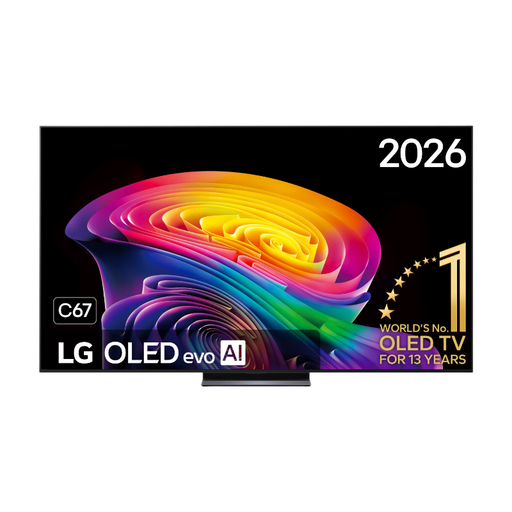 No image available
OLED makes this model worth comparing if you watch from several seats; the Dutch Consumers’ Association says OLED TVs usually offer a wider viewing angle.
The product name lists an 83-inch OLED Evo screen, 4K and Dolby Vision.
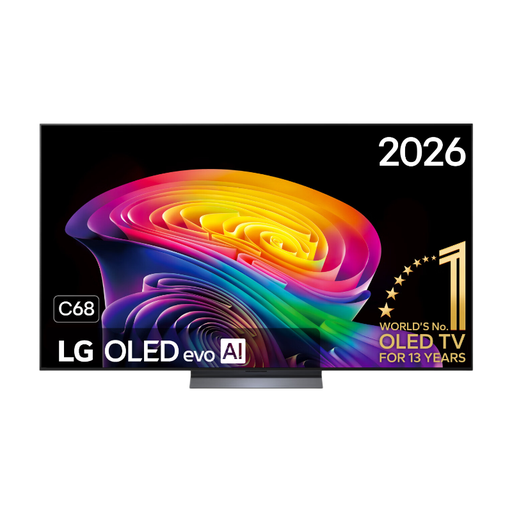 No image available
OLED makes this model worth comparing if you watch from several seats; the Dutch Consumers’ Association says OLED TVs usually offer a wider viewing angle.
The product name lists a 65-inch OLED Evo screen, 4K and Dolby Vision.
No image available
OLED makes this model worth comparing if you watch from several seats; the Dutch Consumers’ Association says OLED TVs usually offer a wider viewing angle.
The product name lists a 55-inch OLED Evo screen, 4K and Dolby Vision.
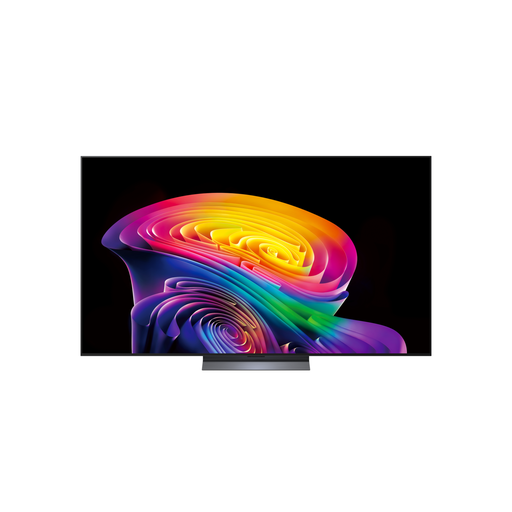 No image available
OLED makes this model worth comparing if you watch from several seats; the Dutch Consumers’ Association says OLED TVs usually offer a wider viewing angle.
The product name lists a 42-inch 4K OLED screen and Dolby Vision.
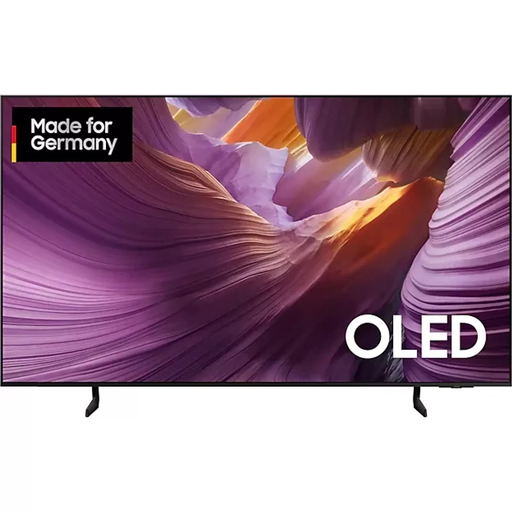 No image available
OLED makes this model worth comparing if you watch from several seats; the Dutch Consumers’ Association says OLED TVs usually offer a wider viewing angle.
The product name lists a 55-inch OLED screen and 4K.
Compare the same scene from directly in front of the screen and from your furthest usual seat. Look separately for changes in colour, loss of brightness, dark tones and reflections; RTINGS assesses these viewing-angle effects individually.
No. First decide which screen size suits your viewing distance and room. According to the Dutch Consumers’ Association, a higher resolution doesn’t offer a clearly visible benefit with every source and viewing distance.
Compare the EU energy label and product information sheet for TVs of a similar size. The European Commission also provides separate information for use with HDR. Your actual energy costs will depend in part on consumption, viewing time and your energy tariff.
ACM ConsuWijzer gives a TV ordered online as an example of a purchase that usually comes with a statutory 14-day cooling-off period after delivery. The retailer is also responsible under your statutory rights if a product doesn’t meet what you could reasonably expect during normal use; a manufacturer’s warranty doesn’t replace that responsibility.