
Film night on a wide sofa
If you’re watching with others from different seats, compare the picture from the outermost seat too. RTINGS.com explains how picture characteristics can change when viewed from an angle.


For a wide sofa and films with dark scenes, OLED is a sensible technology to compare, but panel type alone doesn’t determine whether the picture will look good from where you sit. Check reflections and black levels from the outermost seat too; with LCD, viewing angles also depend on the panel type. If it’s usually just one person sitting at an angle, a swivel-mounted TV could be another option.
If you’re watching with others from different seats, compare the picture from the outermost seat too. RTINGS.com explains how picture characteristics can change when viewed from an angle.
For films with dark scenes, black levels and visible detail can matter, especially if you watch with the lights dimmed. RTINGS.com treats film picture quality as a separate point of comparison.
If you watch during the day or with the lights on, factor in reflections and ambient light when choosing. The Consumers’ Association recommends comparing TVs on factors including picture quality and screen size.
RTINGS.com describes differences in viewing angles between LCD panel types. The Consumers’ Association and RTINGS.com also highlight factors such as picture settings and film picture quality. So compare TVs from your seats and in the lighting conditions you usually watch in.
Choose this when: several people sit in different places and black levels for films are a high priority.
Consider: check reflections too, and bear in mind the effects of repeatedly displaying still images for long periods.
Choose this when: you want to compare other combinations of screen size and viewing conditions alongside OLED.
Consider: mini LED alone doesn’t tell you how wide the viewing angle is; check the panel type and the exact model.
Choose this when: mainly one viewer sits at an angle and the TV can be safely turned towards them.
Consider: turning the screen won’t automatically work for every seat at once.
| What to consider | What should you check? | Who is this important for? |
|---|---|---|
| Colour and contrast from the side | Compare the same scene from the centre seat and the outermost regular seat. Look for shifts in colour and black levels. | If I watch with others from different seats, I want to know whether the picture changes from the outermost seat. Around 36% of consumers give viewing angle top priority. |
| Dark film scenes | Watch a familiar scene with both light and dark areas, in the lighting conditions you usually watch in. | When I mainly watch dark films, I want to assess shadow detail as well as viewing angle. Around 29% of consumers prioritise film contrast. |
| Reflections and daylight | Assess the screen during the day and with the lights on, from the seats you usually use. | If I also watch during the day, I want to see how much the screen reflects windows and lights. Ambient-light viewing matters most to around 21% of consumers. |
| Screen size and running costs | Check the dimensions and placement; compare the energy label in kWh per 1000 hours. | When I’m considering the space available and electricity use, I want to weigh these up alongside the picture for films. Around 14% of consumers prioritise screen size and running costs. |
The outermost seat may show different colours, brightness and black levels from the seat directly in front of the TV.
Assess a potential TV from the most angled seat that people regularly use at home.
Mini LED describes a type of backlighting; with LCD, the panel type also affects how the picture looks from the side.
Check the viewing angle of the exact model and compare your options from the same seat.
According to the Dutch government, the Netherlands has no fixed statutory warranty period. You can expect a product to meet what is reasonable for that product and the circumstances.
If you’re considering a paid warranty plan, compare the cover it adds to your existing rights.
A paid warranty plan comes with extra costs; weigh these against the additional cover.
The Dutch C6 and G6 ranges include OLED models for anyone looking to assess film picture quality alongside their seating arrangement.
According to Philips, the 55OLED811/12 combines OLED with Ambilight; the 55MLED810/12 is a separate QD MiniLED model.
The Dutch BRAVIA 8 II is a QD-OLED range to compare with your own viewing setup.
The S90H range is an OLED option to consider alongside other TVs for films.
These TVs include OLED, LED-LCD and QD-Mini LED options to compare for films and different seating arrangements.
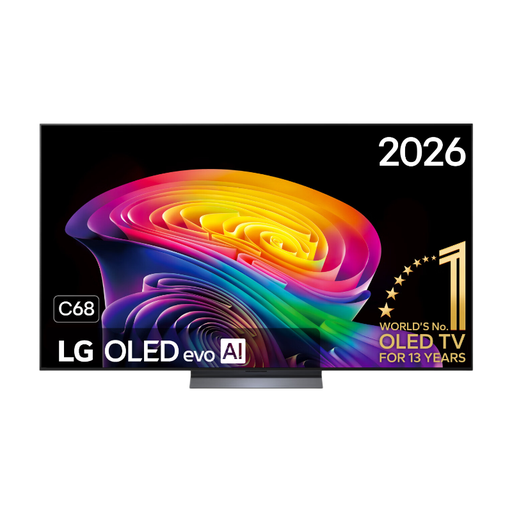 No image available
An option to compare if you’re considering OLED for films with dark scenes.
65-inch; OLED; 4K; OLED evo AI C6.
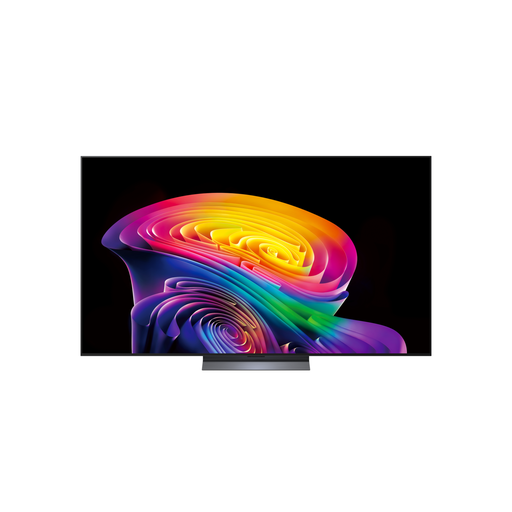 No image available
An OLED model to consider alongside larger TVs if screen size is also a factor in your choice.
42-inch; OLED; 4K Ultra HD; Smart TV.
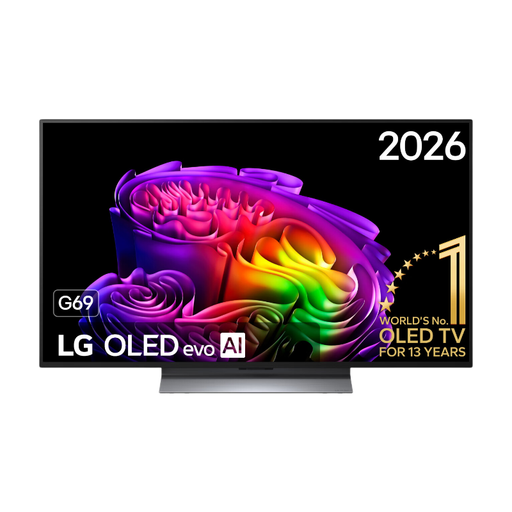 No image available
An OLED option to compare if film picture quality and a mid-sized screen are important to you.
48-inch; OLED evo AI G6; 4K.
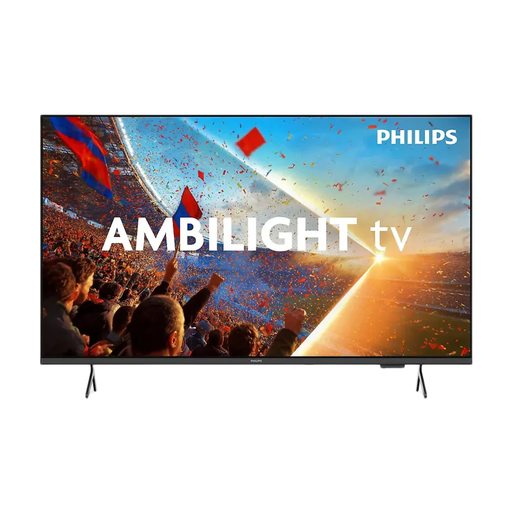 No image available
An LED-LCD option to compare with OLED if you want to weigh up different screen technologies.
55-inch; LED-LCD; 4K; F.
 No image available
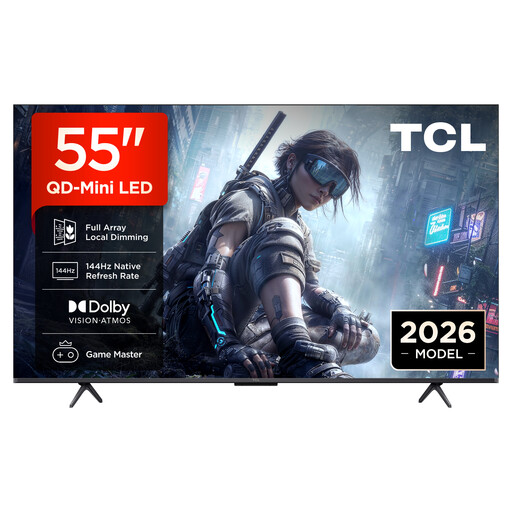
A QD-Mini LED option to compare; check the viewing angle of this specific model from your usual seats.
55-inch; QLED with QD-Mini LED; 4K HDR; 144 Hz VRR.
No. Compare the viewing angle of the specific TV and check the colour, brightness and black levels from your seat. With LCD, the panel type also makes a difference.
Use the lighting conditions you normally watch in and a familiar scene with both dark and light areas. Then choose a suitable picture mode and adjust the brightness and contrast so that details remain visible in both areas. This follows the Consumers’ Association’s step-by-step guide.
Image retention is linked to displaying still image elements repeatedly for long periods. In an older test, the Consumers’ Association reported image retention under extreme viewing conditions, which did not prove permanent in that test. This doesn’t predict what will happen with every model or pattern of use.
Compare the energy use in kWh per 1000 hours on the energy label for the exact model. To work out your own electricity costs, you’ll also need your electricity tariff and viewing time. Milieu Centraal recommends using the label to compare screen energy use.
No. According to the Dutch government, the Netherlands has no fixed statutory warranty period: you can expect a product to meet what is reasonable for that product and the circumstances. A manufacturer’s warranty is separate from this.