What should you look for when choosing?
Start with the viewing angle from seats to the side, then factor in daylight, positioning and energy use. A strong result in one area won’t automatically answer every question.
| What to consider |
What should you look for? |
Who will find this most relevant? |
| Picture from seats to the side |
View the same TV from the furthest seats and look for changes in colour and contrast. The Consumentenbond identifies viewing angle as a relevant factor in its tests. |
If I watch from the side, I want to be able to make out colours and details clearly. Around 36% of consumers put viewing angle first. |
| Daylight and reflections |
Compare brightness and reflections together, and consider where windows and lamps are positioned. The Consumentenbond notes that LCD TVs can often be bright. |
When I watch in a bright living room during the day, I want to see the picture without reflections obscuring details. Around 29% of consumers give visibility in daylight and reflections top priority. |
| Screen size and positioning |
Measure the viewing distance and available space, then check the sightlines from the chairs you use. The Consumentenbond suggests around 2.4 times the screen diagonal as a guide to a comfortable viewing distance, not a fixed measurement. |
If the TV can’t face all the chairs directly, I want a size and position that suit the room. Around 21% of consumers put positioning first. |
| Energy use |
Compare the EU energy label and product information sheet for TVs with the same screen size. The European Commission describes the energy efficiency scale for electronic displays as running from A to G. |
If I want to factor energy use into my choice, I compare the model information rather than looking only at viewing angle. Around 14% of consumers give energy and running costs top priority. |
Joybuy products
This selection features LG and Samsung OLED TVs for anyone looking for a TV to watch from seats off-centre. Check the viewing angle and reflections of the specific model from your own seats.
 No image available
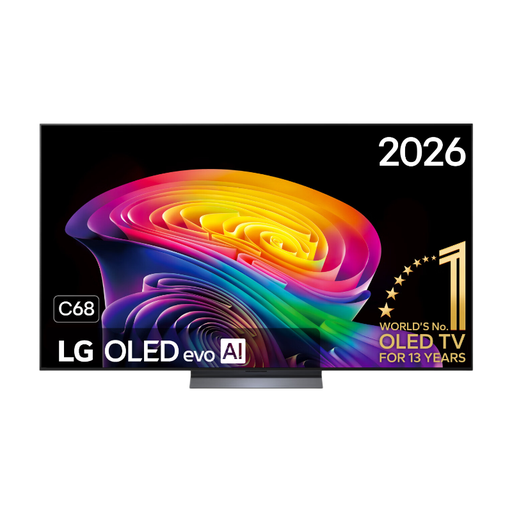
LG OLED65C68LA 65-inch OLED evo AI C6 4K Smart TV
According to the Consumentenbond, OLED is generally a useful point of comparison for a wide seating arrangement; assess the viewing angle of this specific model for yourself.
Specifications: 65 inches, OLED evo, 4K.
View at Joybuy
 No image available
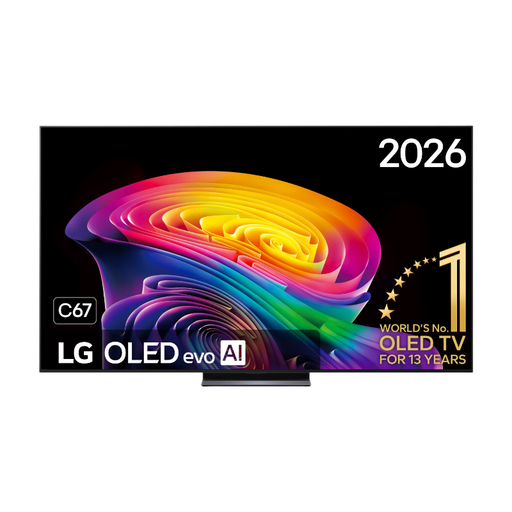
LG OLED83C67LA 83-inch OLED evo AI C6 4K Smart TV
According to the Consumentenbond, OLED is generally a useful point of comparison for a wide seating arrangement; check that the screen size suits your viewing distance and room.
Specifications: 83 inches, OLED evo, 4K.
View at Joybuy
No image available
LG OLED55C68LA 55-inch OLED evo AI C6 4K Smart TV
According to the Consumentenbond, OLED is generally a useful point of comparison for a wide seating arrangement; assess the viewing angle of this specific model from your seats to the side.
Specifications: 55 inches, OLED evo, 4K, native 120Hz.
View at Joybuy
 No image available
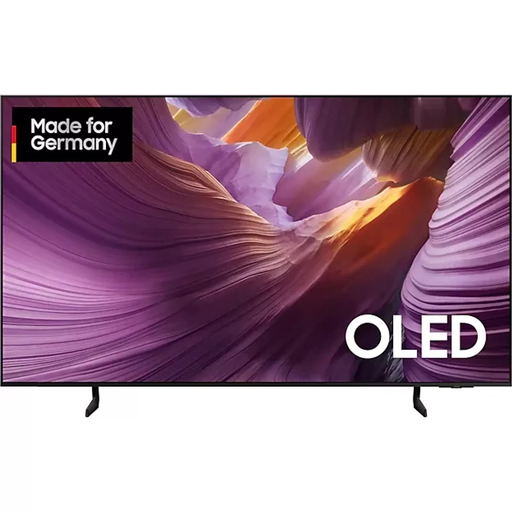
Samsung S85F Series GQ55S85FAU 55-inch OLED 4K TV
According to the Consumentenbond, OLED is generally a useful point of comparison for a wide seating arrangement; assess how this version performs from your own seats.
Specifications: 55 inches, OLED, 4K.
View at Joybuy
 No image available
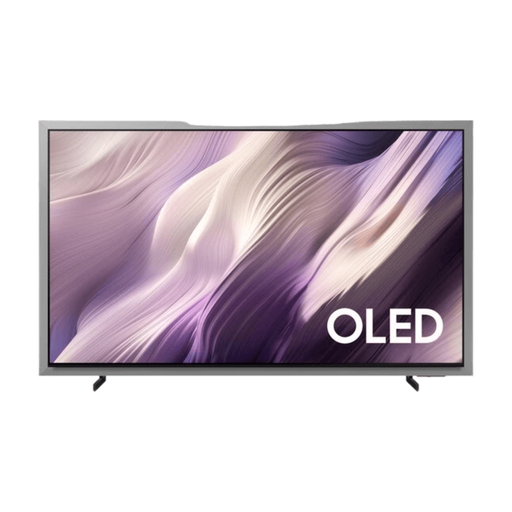
Samsung QE55S99HATXXN 55-inch QD-OLED TV
According to the Consumentenbond, OLED is generally a useful point of comparison for a wide seating arrangement; check the viewing angle and reflections of this version in your own setup.
Specifications: 55 inches, QD-OLED, 2026.
View at Joybuy
Frequently asked questions
Do you need 4K to see ordinary gardening programmes more clearly?
Not on its own: the programme must also have been recorded and broadcast in 4K. According to the Consumentenbond, this generally isn’t the case for ordinary programmes on NPO or RTL. So check the source you use before treating 4K as a decisive advantage.
How do you assess a TV from different seats?
View the same content from the furthest seats and look for changes in colour, contrast and reflections. The Consumentenbond recommends viewing the picture from different angles in the shop. At home, also consider how light falls on the planned position of the screen.
What should you check before positioning or wall-mounting a TV?
Measure the TV, its stand or the available wall space, and check the sightlines beforehand. If you’re using an installation service, also check whether a suitable wall bracket is included: Sony states that the wall bracket isn’t supplied with the wall-mounting option for its BRAVIA 8 II installation service.
What are your rights if a TV bought online isn’t suitable or breaks down too soon?
For a standard online purchase of a new television, ACM ConsuWijzer says you generally have a statutory 14-day cooling-off period from delivery. Statutory rights are separate from any manufacturer’s guarantee: if a product used normally doesn’t meet what you could reasonably expect, the seller is responsible for providing an appropriate solution. There isn’t one fixed statutory guarantee period for every TV in the Netherlands.
What energy rating does a TV need to have in the Netherlands?
As a buyer, you don’t have to choose a particular energy rating. TVs on the EU market carry an energy label on a scale from A to G; use the label and the product information sheet for the specific model to compare details such as SDR and HDR information. The energy label doesn’t tell you whether the viewing angle suits your setup.


