
Viewers of dark stage scenes
If you mainly watch in low light, you’ll want to make out the details in dark sets and costumes. The Consumentenbond says OLED can generally display deeper blacks.


When choosing a TV for a recorded theatre performance, first consider the light in your viewing room and where you’ll be sitting. OLED is worth considering for dark scenes and a wide viewing angle, while a bright LCD TV may suit you if you often watch with the kitchen lights on. The Consumentenbond outlines these general differences, but reflections and sound also depend on the individual model and your room. Measure your viewing distance too, and check that the TV works with the way you plan to play the recording.
If you mainly watch in low light, you’ll want to make out the details in dark sets and costumes. The Consumentenbond says OLED can generally display deeper blacks.
If the kitchen is lit while you’re watching, ambient light, reflections and the viewing angle from your seat are important considerations. The Consumentenbond highlights brightness and viewing angle as factors to weigh up.
If you want to hear dialogue and music clearly while there may be kitchen noise, it’s worth assessing the TV’s sound separately from its picture. The Consumentenbond treats sound quality as a separate rating criterion.
Best suited to: watching in dim light most of the time, with a focus on dark stage sets and a wide viewing angle.
The trade-off: kitchen lights can still cause reflections, so compare the individual model in similar lighting conditions.
Best suited to: watching with ambient light on much of the time, when you want to compare the brightness and reflections of specific models.
The trade-off: LCD may show less deep blacks than OLED in dark scenes; results vary by model.
| What to consider | What to look for | Who it matters most to |
|---|---|---|
| Dark scenes | Compare the black levels and picture processing of individual models. Also check that the recording itself contains enough detail. The Consumentenbond outlines general differences between OLED and LCD. | If I mainly want to make out dark sets and costumes, I’ll look at contrast and picture processing. Around 31% of consumers make dark scenes their top purchase priority. |
| Kitchen light and viewing angle | Check for reflections in lighting conditions similar to those at home, and view the screen from seats off to the side too. The Consumentenbond highlights brightness and viewing angle as important considerations. | When the kitchen is lit while I’m watching, I want a clear, comfortable picture from my seat. Around 25% of consumers prioritise visibility with the kitchen lights on. |
| Voices and music | Listen to dialogue and music on the model you’re considering. If you plan to use external audio, check that the TV and audio system have compatible connections. | If there may be kitchen noise at the same time, I want to follow voices and music clearly. Around 25% of consumers give sound clarity top priority. |
| Screen size and playback | Measure your viewing distance and check the connections or playback method for the recording. The Consumentenbond suggests around 2.4 times the screen diagonal as a starting point for viewing distance. | I want a screen size that suits where I sit, and to be sure I can play the recording. Around 19% of consumers start by considering screen size and playback options. |
QLED is an LCD technology, but picture processing and quality vary between TVs.
Compare specific models in lighting conditions similar to those in which you’ll watch the performance.
A screen that suits you doesn’t automatically mean that voices will be clear or music will sound right. External audio also requires compatible connections on both devices.
Listen to a recording with voices and music, and check the connections before choosing external audio.
Your viewing distance affects the screen size that’s right for you. A TV can’t restore details that aren’t present in the recording.
Measure the distance to where you plan to put the TV, and check the recording’s resolution and playback method.
The Dutch product information lists the OLED55C68LA as a 55-inch OLED model.
Samsung’s Dutch Neo QLED range is an LCD option with mini LED backlighting to compare.
Sony lists the BRAVIA 5, including the K-55XR5, as a mini LED 4K model.
Philips lists the 55OLED761/12 as a 55-inch OLED TV with Ambilight.
This selection includes OLED and LCD models to compare for dark stage scenes and a viewing room where the kitchen lights may be on.
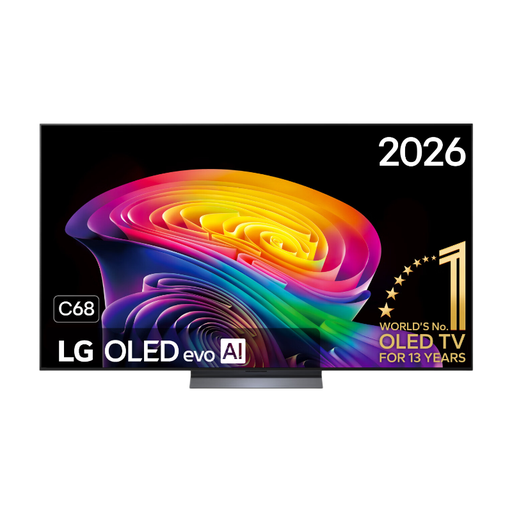 No image available
An OLED model to compare if dark stage scenes matter to you. Also assess reflections and sound in your own viewing room.
55 inches; 4K; Dolby Vision; Dolby Atmos.
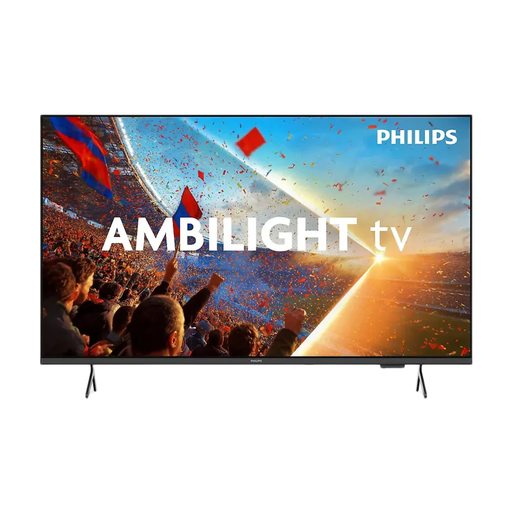 No image available
A 55-inch 4K option to assess alongside OLED. Check reflections and speech clarity in the room where you watch.
55 inches; 4K.
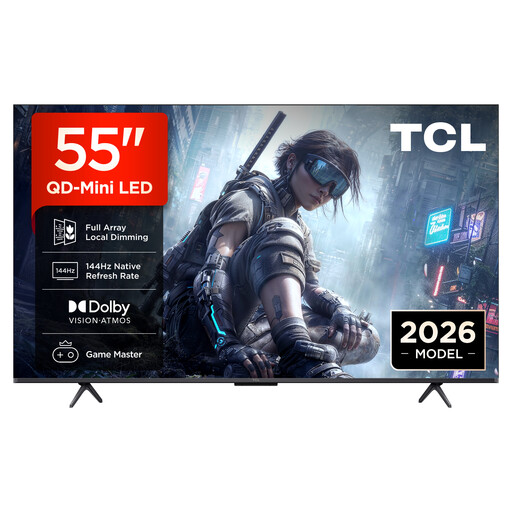 No image available
A QD-Mini LED model to compare if the kitchen lights may be on. Assess reflections from your own seat.
55 inches; QD-Mini LED; 4K; Dolby Vision; Dolby Atmos; HDMI 2.1; 144 Hz VRR.
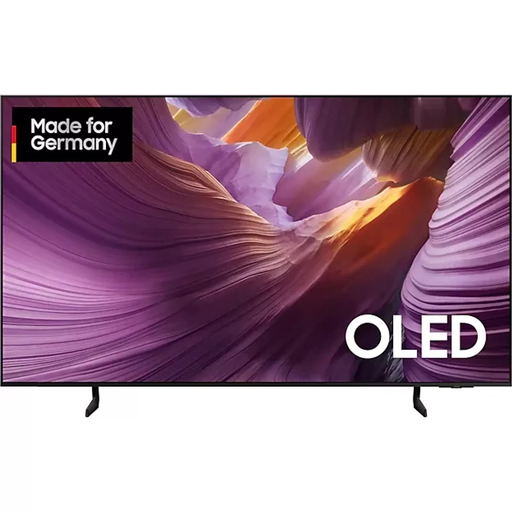 No image available
An OLED option to compare if dark scenes are a priority. Also check whether reflections and sound suit your room.
55 inches; OLED; 4K; four HDMI ports.
 No image available
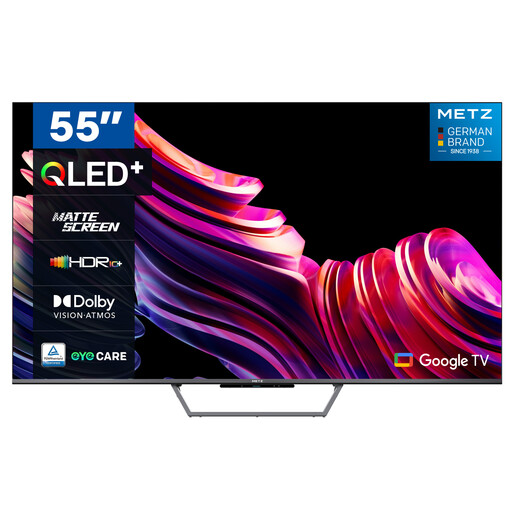
A QLED model to compare if the kitchen lights may be on. Assess the screen from the seat where you’ll watch the performance.
55 inches; 4K UHD; Google TV; matt screen.
No, you don’t always need a 4K TV to watch a theatre recording. The Consumentenbond points out that 4K detail also requires a 4K source, so check the quality and playback method of your recording first.
Measure the distance from your eyes to where the screen will go. The Consumentenbond suggests around 2.4 times the screen diagonal as a starting point; compare nearby screen sizes before you decide.
Don’t spray water directly onto the TV. Samsung recommends using a soft, slightly damp cloth for its TVs; follow the care instructions for the model you choose.
Compare the EU energy labels for the exact models and screen sizes. The European Commission uses a scale from A to G for electronic displays and also includes information about HDR use. A single label rating doesn’t tell you everything about energy use with your settings.
No, the Netherlands doesn’t have a fixed statutory guarantee period. According to the Dutch government, what you can reasonably expect from a product depends, among other things, on the product, its price and the information provided at the point of sale. If a product is faulty, the retailer is your point of contact.