
Daytime viewing in a bright room
If you don’t completely darken your living room, compare SDR brightness and reflection handling separately. RTINGS emphasises that reflection handling is important alongside SDR brightness.


For watching theatre recordings during the day, brightness isn’t the only thing that matters. Compare the specific screen’s SDR brightness and how well it handles reflections, too. Mini LED may be worth considering if visibility is your priority; OLED could be a better fit if deep blacks or viewing from off-centre seats matter more, provided the lighting conditions are right. Also check that the screen size, connections and sound suit your recordings and seating.
If you don’t completely darken your living room, compare SDR brightness and reflection handling separately. RTINGS emphasises that reflection handling is important alongside SDR brightness.
If windows or lamps are reflected in the screen, positioning and the specific model’s reflection handling matter more than a brightness claim alone. Tweakers describes reflections as a potential nuisance in bright surroundings.
If you watch from several places, you can weigh up viewing angle against brightness and screen size. Consumentenbond highlights viewing angle and black levels as factors to consider when choosing a TV.
A good fit if: daytime visibility is your top priority and you can compare the exact model’s SDR brightness and reflection handling.
The trade-off: local dimming can cause visible blooming in dark scenes. A high HDR peak brightness figure doesn’t, by itself, tell you how an SDR recording will look in daylight. Tweakers also describes reflections in bright surroundings.
A good fit if: you can control the light and deep blacks or comfortable viewing from off-centre seats are high on your list.
The trade-off: LCD models can often be brighter. Consumentenbond describes OLED as offering a wider viewing angle and deeper blacks. Also assess the specific OLED model in the lighting conditions of your living room.
| Factor to consider | What to look for when buying | Who should pay extra attention? |
|---|---|---|
| Daytime visibility | Compare SDR brightness measurements and assess a dark scene in similar daylight conditions. | If I watch during the day, I want to follow the scenes without completely darkening the room. Around 36% of consumers put daytime visibility first. |
| Reflections | Check the position of windows and lamps, and look for information about reflections on the specific model—not just a claim about its screen coating. | If there are windows or lamps opposite my screen, I want to minimise distracting reflections. Around 29% of consumers give reflection handling top priority. |
| Seating and screen size | Measure your viewing distance and compare the exact models’ viewing angles from off-centre seats. | If people watch from different places, I want the stage and surtitles to remain easy to follow. Around 21% of consumers put viewing from multiple seats first. |
| Recording, connections and sound | Check the resolution and playback method of your recordings, the HDMI connections you need, and the sound with a dialogue clip. | If you mainly want to play existing recordings and hear the dialogue clearly, the TV needs to suit your source and equipment. Around 14% of consumers put this combination first. |
An HDR peak brightness figure doesn’t automatically tell you how brightly a standard SDR theatre recording will be displayed. Reflections may also remain visible.
Look for information about the exact model’s SDR brightness and reflection handling.
Tweakers describes reflections on the mini LED TV it reviewed, despite its brightness. OLED’s suitability also depends on the model and lighting conditions.
Compare both options in lighting conditions similar to those in your living room.
A 4K TV can’t add original 4K detail to material that doesn’t contain it. Consumentenbond highlights viewing distance as a factor when deciding on screen size.
Check the resolution and playback method of your recordings, and measure the distance from your seats.
The Dutch C8L range is a mini LED option to compare if brightness is important in a bright living room.
The Neo QLED mini LED range is an LCD option to include when comparing TVs for a bright room.
The OLED evo C5 range is an option to compare if black levels and viewing angle matter to you.
BRAVIA 5 is a mini LED range to assess for picture quality, screen size and playback environment together.
According to Philips, the 65MLED910/12 combines QD MiniLED with Ambilight, which may suit you if lighting behind the TV is part of your viewing setup.
These models include OLED, QD MiniLED, QLED and DLED TVs in a range of screen sizes. Compare the size with your viewing distance and check that the specifications suit your recordings and equipment.
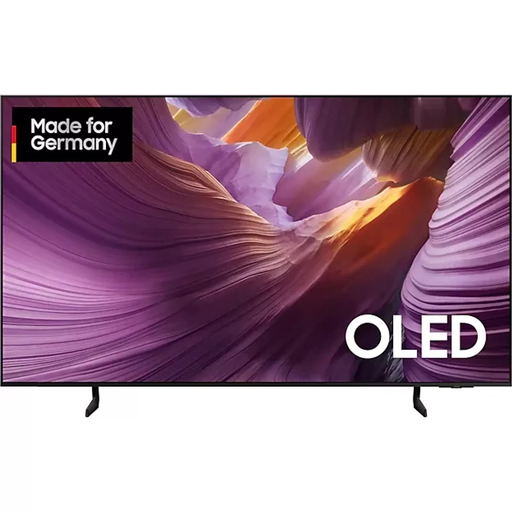 No image available
An OLED option to compare if black levels or viewing from off-centre seats matter to you; assess the screen in your own lighting conditions, too.
The product name lists OLED and 4K.
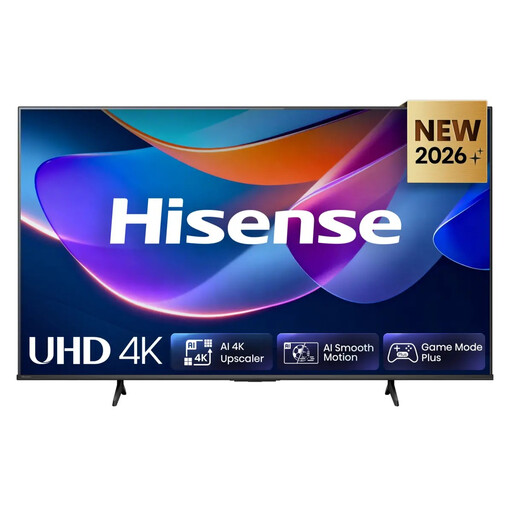 No image available
The listed 4K UHD resolution is worth comparing if you watch theatre recordings in 4K.
The product name lists UHD 4K and Smart TV.
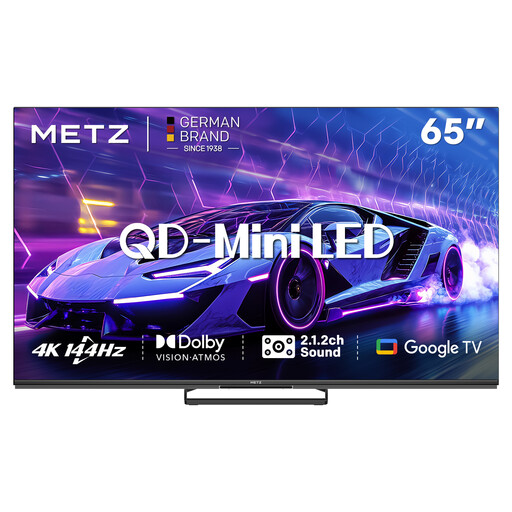 No image available
A QD MiniLED model to compare if daytime visibility matters; reflection handling and SDR performance are still worth assessing for each model.
The product name lists QD-Mini LED, 4K HDR and 144Hz.
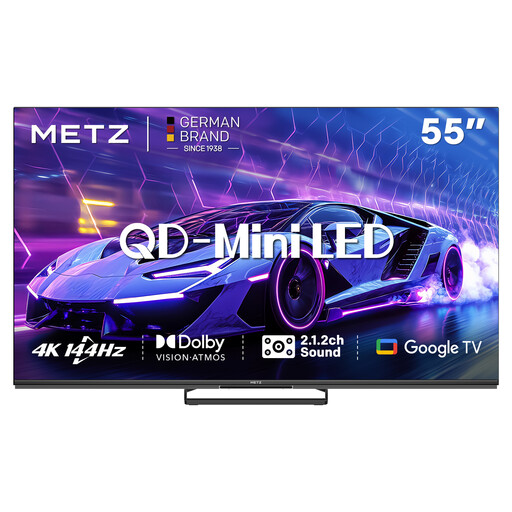 No image available
A QD MiniLED option to compare if you watch in daylight; check the screen size against your seating distance and assess reflections in your own room.
The product name lists QD-Mini LED, 4K HDR and 144Hz.
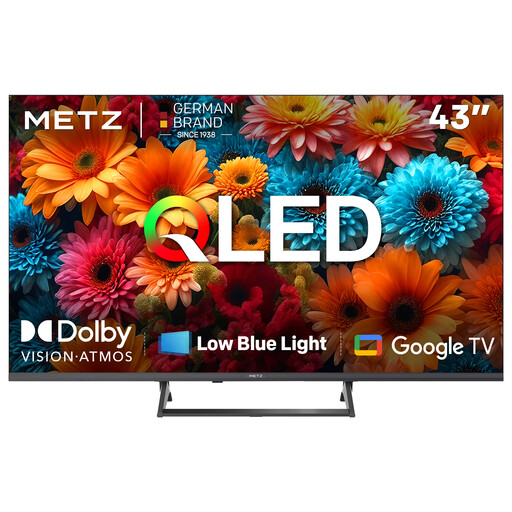 No image available
The smaller screen size is one option to compare against your viewing distance and seating before choosing a size.
The product name lists QLED, 4K UHD, HDR10+ and Dolby Vision.
No. For an SDR recording, focus on SDR brightness and reflections. An HDR specification doesn’t automatically tell you how visible that SDR recording will be in your room; RTINGS treats SDR brightness and reflection handling as separate factors to consider.
Measure the distance from your sofa to the screen, and consider off-centre seats and windows, too. Consumentenbond suggests dividing the viewing distance by 2.4 as a starting point for the screen diagonal in centimetres, not as a fixed rule.
First, check the picture mode and energy-saving settings. LG explains that both can affect brightness on its OLED TVs; menu names and options vary by model.
According to the Dutch government, when you buy remotely from a business, you generally have a 14-day cooling-off period in many cases. The Dutch government also sets out consumer rights if a product is faulty; the exact rules depend on the situation.