What should you consider when choosing?
Mini-LED LCD for lots of daylight
A good fit if: you often watch during the day and a bright picture is important to you.
Bear in mind: the technology name alone does not tell you how well a specific model handles reflections.
OLED for a mix of daytime and evening viewing
A good fit if: you often watch in the evening and deep blacks in dark scenes are a priority.
Bear in mind: OLED is not automatically the best choice opposite bright windows. Assess the specific model in similar lighting conditions.
| Consideration |
What to look for when buying |
Who should pay extra attention? |
| Reflections from windows |
Compare reflection tests for the exact model and check whether you can adjust the position of the TV or windows. |
If I can see the window reflected during dark scenes, I first want to know how distracting the reflection is; around 36% of consumers prioritise reducing direct reflections from windows. |
| Visibility during the day |
Compare the brightness and picture quality of specific models in a bright-room test. |
When I watch nature documentaries during the day, I want to be able to follow bright and colourful scenes clearly; around 29% of consumers give top priority to visibility in bright daylight. |
| Dark scenes |
Assess black levels and detail in the lighting you usually have when watching in the evening. |
If I also watch in the evening, I want to be able to distinguish shadows and dark details; around 21% of consumers prioritise contrast for evening viewing. |
| Size and energy consumption |
Measure the viewing distance and available space; compare the energy label for the exact model variant. |
When the TV needs to fit my viewing distance and furniture, I also take energy consumption into account; around 14% of consumers give top priority to size and running costs. |
The Consumentenbond cites around 2.4 times the screen’s diagonal as a research-based starting point for viewing distance, not a fixed rule. The EU energy label provides information for both SDR and HDR.
Joybuy TVs for watching in daylight
These QD-MiniLED or Mini-LED models are for anyone considering an LCD option for a room with lots of daylight. Check reflections, viewing distance and the model variant before making your choice.
 No image available
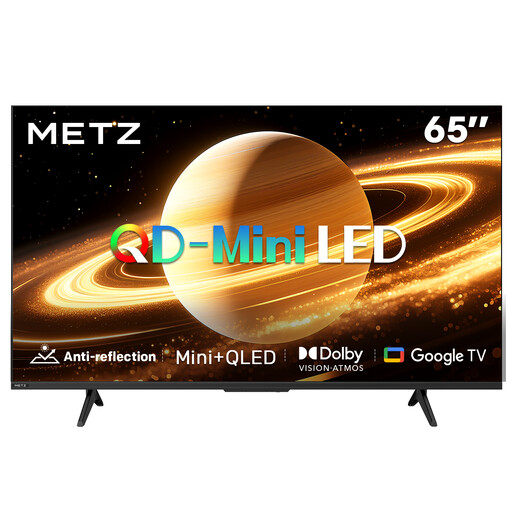
METZ 65MNH7000Z, 65 inches
A QD-MiniLED option to compare if you watch during the day and are looking for a matte screen.
QD-MiniLED; Matte Screen Ultra; 60 Hz; Dolby Vision; Dolby Atmos; Google TV.
Joybuy
 No image available
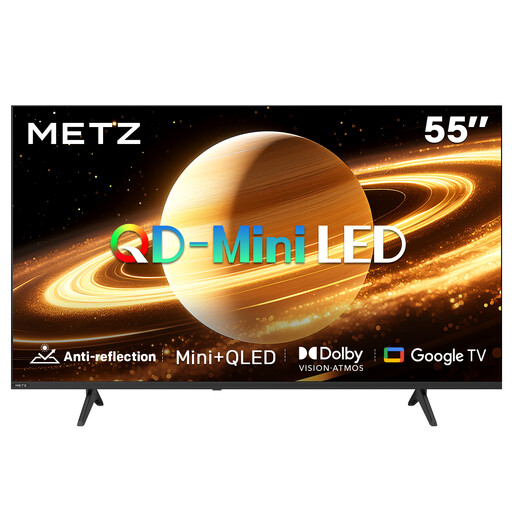
METZ 55MNH7000Z, 55 inches
A QD-MiniLED option to compare if you watch during the day and are looking for a matte screen.
QD-MiniLED; Matte Screen Ultra; 60 Hz; Dolby Vision; Dolby Atmos; HDMI 2.1; Google TV.
Joybuy
 No image available
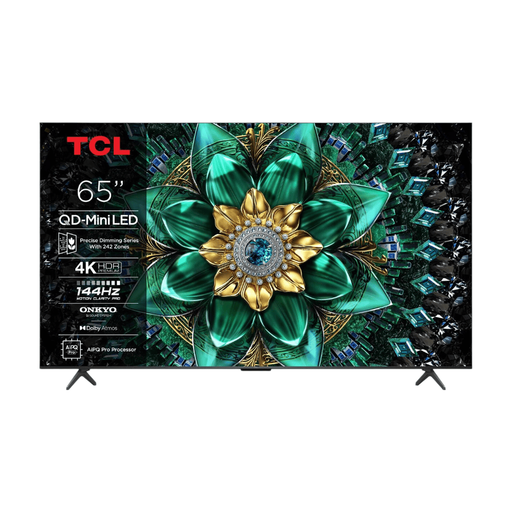
TCL 65Q6C, 65 inches
A QD-Mini LED model to include in your comparison for daytime viewing.
4K HDR; 1000 Nits; Energy Class F.
Joybuy
 No image available
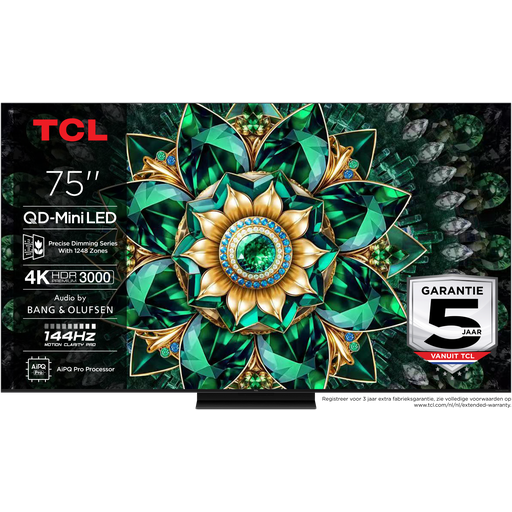
TCL 75Q7C, 75 inches
A large Mini-LED screen to consider if your viewing distance and available space are suitable.
4K; 144 Hz; listed as having a 5-year warranty in the product title.
Joybuy
 No image available
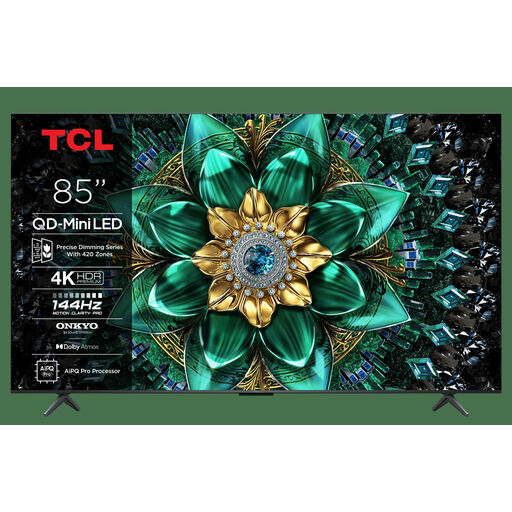
TCL 85Q6C, 85 inches
A large QD-Mini LED model to compare if your viewing distance and room can accommodate an 85-inch screen.
4K HDR; 1000 Nits; Dolby Vision IQ; Dolby Atmos; Matte HVA Panel; Onkyo 2.1 Audio System; Motion Clarity Pro 144 Hz; Energy Class D.
Joybuy
Frequently asked questions
Is a matte finish enough to deal with a tall window opposite the TV?
Not necessarily. For the exact model, compare how it handles direct and overall reflections, and see whether you can adjust the screen position or incoming light. Brightness and reflection handling are separate considerations.
How do you choose the screen size?
Measure the distance from your eyes to the planned screen position, and check that the TV’s external dimensions will fit. The Consumentenbond cites around 2.4 times the screen’s diagonal as a starting point based on its own research; also look at screen sizes close to the one you have in mind.
How do you set up the picture at home for nature documentaries in daylight?
Assess a familiar scene in the lighting you usually watch in, rather than relying only on how it looks under shop lighting. The Consumentenbond recommends using your home lighting when setting up and checking the picture.
Where can you check energy consumption, and what are the warranty rules in the Netherlands?
Compare the EU energy label for the exact model variant; it includes information for both SDR and HDR, among other things. According to the Authority for Consumers and Markets (ACM), there is no fixed statutory guarantee period in the Netherlands: what you could reasonably expect from the product is what matters, and you should contact the seller if there is a fault.
Can you assess a TV bought online at home and still change your mind?
For online consumer purchases, you generally have a statutory cooling-off period of up to 14 days after delivery. Read ACM ConsuWijzer’s guidance on unpacking, trying out and returning products before you install the TV.


