
Watching together from different seats
For housemates who watch from different places and want to consider viewing angles and reflections as well as screen size.


Start by measuring the viewing distance and assessing the picture from the seats your housemates actually use; don’t choose based only on screen size or the 4K label. Then compare models for reflections, clear dialogue, access to the apps you use and energy consumption. LCD or QLED may suit a bright room, while OLED is worth considering if viewing angles and dark scenes matter most.
For housemates who watch from different places and want to consider viewing angles and reflections as well as screen size.
For residents weighing up which picture features suit their viewing distance and the content they actually watch.
For viewers who value detail and clear narration, and want to check that their apps and connections are available on the exact model.
Best forA bright room or a shared purchase where you’re comparing specific models within an agreed budget.
Bear in mindQLED is a type of LCD; the label alone doesn’t tell you how good the picture is. The Consumers’ Association generally describes the viewing angles of LCD TVs as more limited.
Best forA situation where both a bright room and contrast in dark scenes matter.
Bear in mindResults depend on the specific version and picture processing, so check an independent review of the exact model you’re considering.
Best forHousemates who often watch from an angle or mainly watch documentaries with dark scenes in a dim room.
Bear in mindThe Consumers’ Association generally describes OLED as offering wider viewing angles and deeper blacks. Compare reflections, energy figures and the brightness you need for each model too.
| What to consider | What should you check? | Who should give this more weight? |
|---|---|---|
| Viewing from different seats | Assess the exact model from the usual side seats and under the room’s typical lighting. | If housemates watch from an angle on the sofa and chairs, I want to know whether the picture is still clear from those seats. Around 25% of consumers prioritise visibility from different seats. |
| Shared purchase costs | Agree a budget together and compare reviews of specific models and the features included. | Anyone sharing the cost wants to choose features that suit the viewing distance and how the TV will be used. Around 25% of consumers say the shared budget is their main consideration. |
| Screen size and viewing distance | Measure from the seats to where the screen will go, and check the dimensions including the stand. | If space is limited, I want a screen that’s comfortable to watch from the seats and will physically fit. Around 19% of consumers prioritise a suitable size and placement. |
| Documentary picture, dialogue and apps | Check that the apps you use are available on the exact platform, listen to dialogue, and look at the HDMI and audio connections you need. | When watching documentaries, I want to see the detail, follow the narration and access my services. Around 19% of consumers prioritise this viewing experience. |
| Energy use and shared ownership | Compare energy consumption in kWh per 1,000 hours for SDR and HDR on the exact model’s label. | If you share a TV, you’ll want to factor in its energy use and agree who will keep the purchase details. Around 12% of consumers say running costs are their main consideration. |
Viewing distance is a useful starting point, but in a shared room the seating, reflections and available space can matter too.
Measure the room and assess the model you’re considering from the seats your housemates use.
QLED is an LCD technology. Viewing angles, black levels and brightness vary between technologies and models.
Compare reviews of specific models and consider the lighting in your home, rather than relying on the technology name alone.
The screen’s resolution doesn’t tell you whether a documentary is available in that resolution. Dialogue clarity and app access each need to be checked separately.
Check that the services you use are available on the exact platform, and assess the dialogue and connections before you choose.
A paid warranty package doesn’t replace your statutory rights against the retailer.
Compare the package terms with the rights you already have, and keep your proof of purchase.
The Consumers’ Association describes the TCL 43P7KX1 as a 43-inch LCD LED smart TV with 4K, Google TV and three HDMI inputs.
The Consumers’ Association describes the 43Q7S PRO as a 43-inch LCD LED TV with 4K and three HDMI inputs.
Philips describes the 43PQS8501/12 as a 43-inch 4K QLED TV with Ambilight and Titan OS.
LG describes the 43QNED87B6A as a 43-inch Mini LED LCD TV with webOS.
Samsung describes the QE43Q7F2AUXXN as a 43-inch 4K QLED smart TV.
This selection includes OLED TVs in a range of screen sizes and a 43-inch 4K smart TV. Measure the viewing distance and available space, and check that each model has the apps and connections you need before choosing.
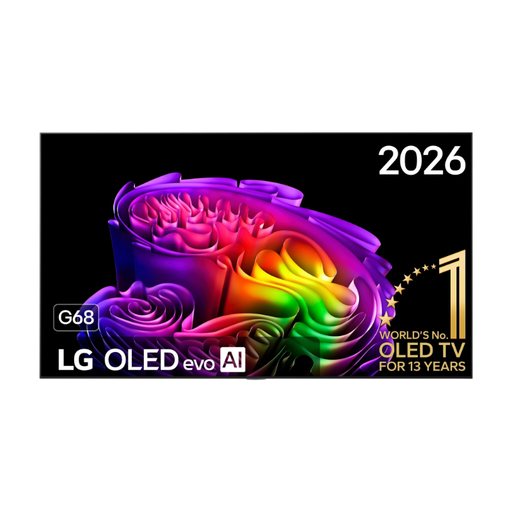 Image unavailable
OLED may be worth considering if your housemates watch from different seats; choose the screen size to suit your actual viewing distance.
77-inch OLED, 4K, Dolby Vision and Dolby Atmos.
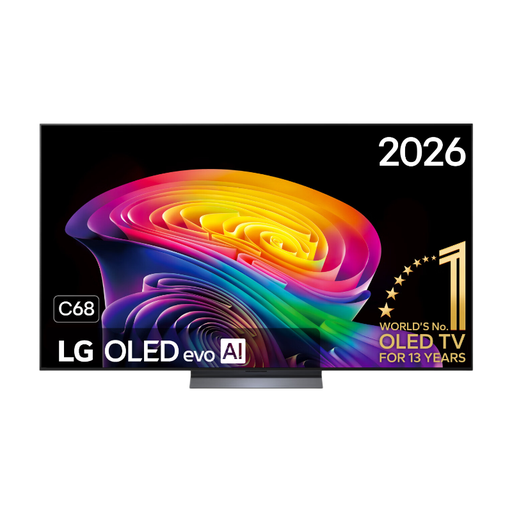 Image unavailable
This OLED model is one to compare if seating positions and picture quality are important; check that a 65-inch screen will fit your room.
65-inch OLED, 4K, webOS 26, 120 Hz, Dolby Vision and Dolby Atmos.
Image unavailable
The 55-inch size gives you another option to weigh up against your measured viewing distance and the space available on your TV stand.
55-inch OLED, 4K, webOS 26, 120 Hz native, Dolby Vision and Dolby Atmos.
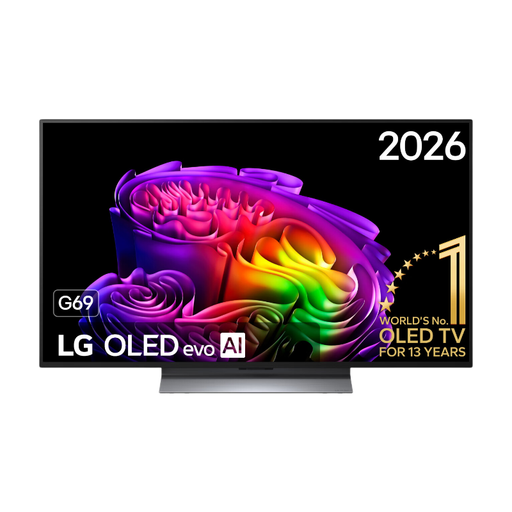 Image unavailable
The 48-inch screen is worth comparing if you need a smaller TV to fit your available space; measure the area, including any stand.
48-inch OLED, 4K, webOS 26, 120 Hz native, Dolby Vision and Dolby Atmos.
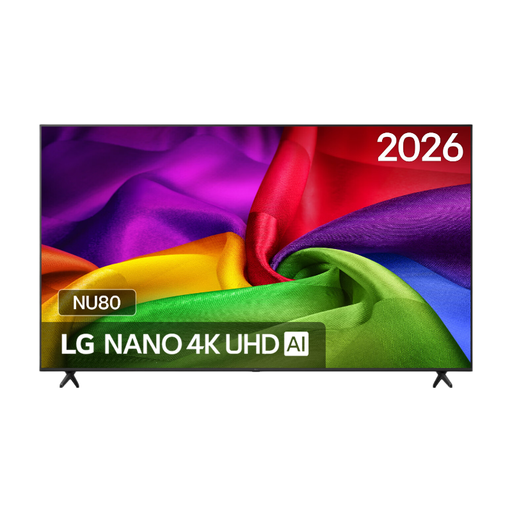 Image unavailable
The 43-inch screen gives you a specific size to compare with the viewing distance and available space in your shared room.
43-inch, 4K, Nano UHD and webOS.
Measure the distance from the seats people actually use. The Consumers’ Association uses the viewing distance in centimetres divided by 2.4 as a starting point for the screen diagonal in centimetres. Compare nearby sizes and also check the dimensions including the stand.
Not necessarily: a 4K screen can only show 4K detail if the content you’re watching is available in that resolution. Check the relevant service and title, and also assess contrast and dialogue clarity.
Measure the available width and height. If you’re placing the TV on a stand, check its dimensions including the stand. For wall mounting, check the mounting options for the exact model and agree where it will go if you share a rented home.
The EU energy label is mandatory product information. Energielabel.nl gives a scale from A to G for televisions, as well as energy consumption in kWh per 1,000 hours. Compare the figures listed for SDR and HDR separately on the exact model.
No. According to the Dutch government, there is no fixed statutory warranty period in the Netherlands: you’re entitled to a product that works properly for as long as you could reasonably expect. If something goes wrong, contact the retailer.