Vandaag of morgen in huis

Kwaliteit gegarandeerd

Welkomstaanbiedingen ontgrendelen: GRATIS bezorging | Tot 80% korting | Gratis 30 dagen JoyPlus-proefperiode
Download de app
Have you just bought a new TV, moved house, or lost the original TV base? You're now faced with a choice: drill holes for a wall mount or find an alternative solution. Many people are unable or unwilling to drill into walls, especially in a rental property. A TV stand is a practical solution in this case. It allows you to place the TV on a cabinet without damaging the wall, and often provides more flexibility than the standard included base.
This article will help you choose the right television stand. We'll cover the key points to consider and provide specific recommendations based on product specifications, so you can find a model that suits your TV and your needs.
Before you make a choice, there are a few technical details you need to check. This ensures the stand is safe and stable for your specific television.
The most important factor for compatibility is the VESA size. This is the standardised distance between the four screw holes on the back of your TV. It is expressed in millimetres, for example, 200x200 mm or 400x400 mm. Check your TV's manual for its VESA size or measure the distance yourself. A universal TV stand typically supports a range of VESA sizes. Make sure your TV's size falls within this range.
Additionally, every stand has a maximum weight capacity. The weight of your TV must never exceed this limit. Modern TVs are lighter than older models, but always check the weight to be safe.
A major advantage of a separate TV base is the added functionality. Many models are height-adjustable. A height-adjustable TV stand allows you to position the TV at the perfect eye level for a comfortable viewing experience. This is especially useful if your TV cabinet is on the low side.
Another popular feature is a swivel TV base. This lets you easily turn the screen towards your seating area without having to move the entire piece of furniture. This is ideal for open-plan living spaces where you watch TV from different angles.
The base of the stand determines its stability. Models with a wide base made of tempered glass or solid steel provide a solid foundation. Pay attention to the dimensions of the base and ensure it fits completely on your sideboard, desk, or TV cabinet. A stable surface is essential to prevent the TV from tipping over.
Based on functionality and specifications, we have selected a few popular models that offer a solution for various situations.
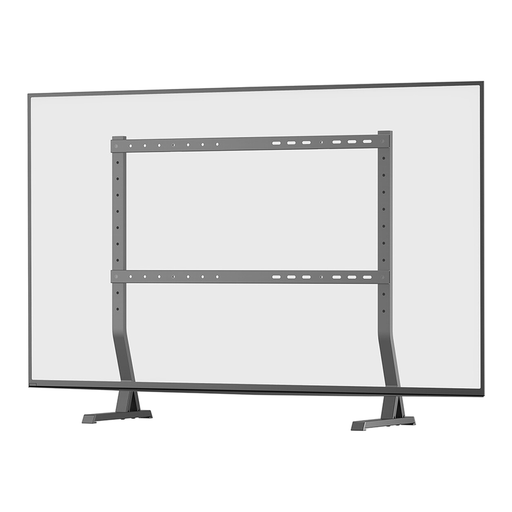
Why This Model Stands Out This Neomounts TV stand is designed for large and heavy televisions. With a weight capacity of 60 kg and support for VESA sizes up to 800x400 mm, this is a robust choice for anyone wanting to safely place a large screen on a piece of furniture.
Key Features
Who Is This For? For owners of large televisions (45 to 90 inches) who are looking for a strong and reliable TV base to replace the original or as an alternative to wall mounting.
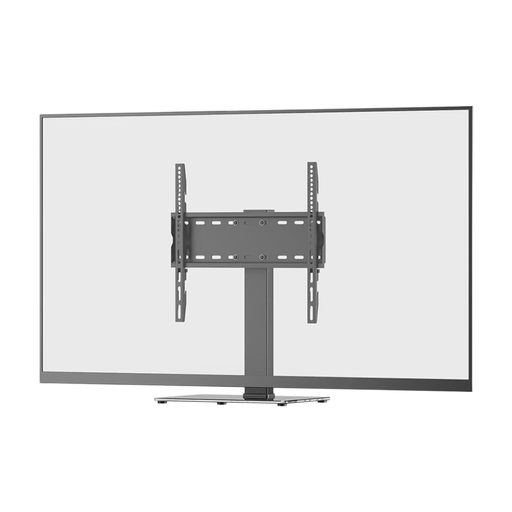
Why This Model Stands Out This model combines stability with flexibility. The swivel TV base can turn 70 degrees, allowing you to easily adjust the viewing angle. The glass base plate provides a stable and modern look.
Key Features
Who Is This For? Ideal for users with a mid-sized TV (32 to 55 inches) who value flexibility in their viewing angle, for example, in a living room or an office.
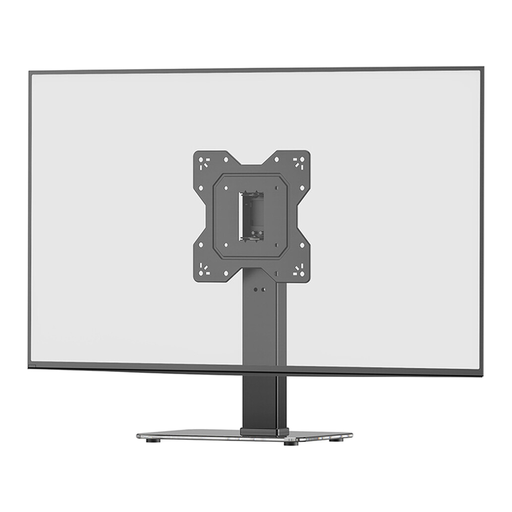
Why This Model Stands Out A compact and functional solution for smaller televisions. Like its larger counterpart, this model offers a 70-degree swivel function and height adjustment, making it a versatile choice for bedrooms, kitchens, or on a desk.
Key Features
Who Is This For? For those who want to place a smaller TV (up to 43 inches) on furniture and desire the flexibility of swivel and height adjustment.
Is a standalone TV stand not quite what you're looking for, and are you considering an integrated solution? A TV wall unit combines storage space with a mounting point for your television, creating a sleek and organised look.
Check out our selection of TV wall units here
Check two things: the VESA size and the weight of your television. The VESA size is the distance between the mounting holes on the back of the TV. The specifications of the TV stand always list the supported VESA sizes and the maximum weight capacity. As long as your TV falls within these specifications, the stand is compatible.
The term "universal" means the stand is designed to work with a wide range of TV brands and models, as long as they meet the VESA and weight requirements. So, it's not literally suitable for every TV ever made, but it is for most modern televisions that adhere to the VESA standard. Therefore, always check the specifications.
No, it is important that the cabinet or furniture is stable and sturdy enough to support the combined weight of the TV and the stand. Also, make sure the surface is completely flat and that the stand's base fits on it entirely. A cabinet that is too narrow or unstable is unsafe.