
Vandaag of morgen in huis

Kwaliteit gegarandeerd

Welkomstaanbiedingen ontgrendelen: GRATIS bezorging | Tot 80% korting | Gratis 30 dagen JoyPlus-proefperiode
Download de app
Just bought a new television? The next question is: where do you put it? The included TV base isn't always stable, might not fit on your furniture, or you may simply not want to drill holes for a wall mount. A TV stand offers a practical and flexible solution. Whether you want to move a screen around the office, create a sleek setup in your living room, or need an alternative to the original base, there's a stand for every situation.
This guide will help you navigate the various options, so you can make an informed choice that suits your television and your space.
Before making a choice, there are a few key specifications to consider. Paying attention to these will help you avoid making the wrong purchase.
The foundation for a good match between your TV and the stand is based on three specifications:
Consider how you plan to use the television. This will determine the most suitable type of stand.
Based on functionality and specifications, we have highlighted some popular choices for various use cases.
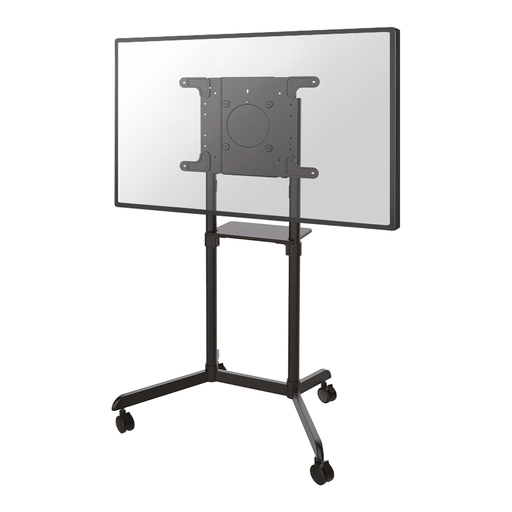
Why It Stands Out This mobile TV stand is a versatile solution for both home and office use. The wheels make it easy to share a large screen between different rooms, making it an efficient choice for meeting rooms or classrooms. The built-in cable management and equipment shelf ensure a tidy and professional look.
Pros
Who Is It For? For business users, educational institutions, and consumers looking for a mobile and robust solution without permanent installation.
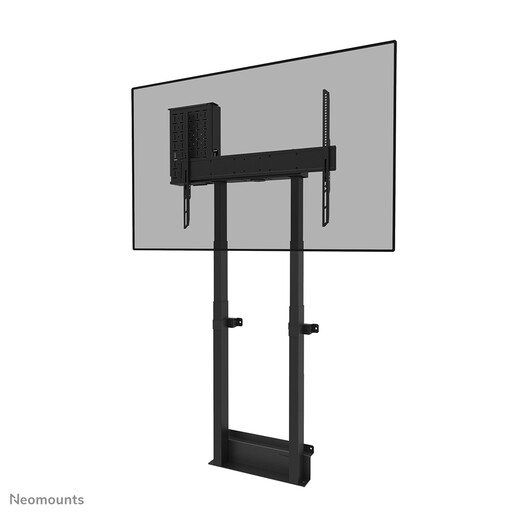
Why It Stands Out This motorized stand is designed for very large and heavy screens. The remote control allows you to adjust the height effortlessly, which is ideal for interactive touchscreens or presentations for both seated and standing audiences. According to the manufacturer, Neomounts, the anti-collision system ensures movement stops if an obstacle is detected.
Pros
Who Is It For? For professional environments such as conference rooms, auditoriums, and trade show booths where large, heavy screens are used and effortless height adjustment is a requirement.
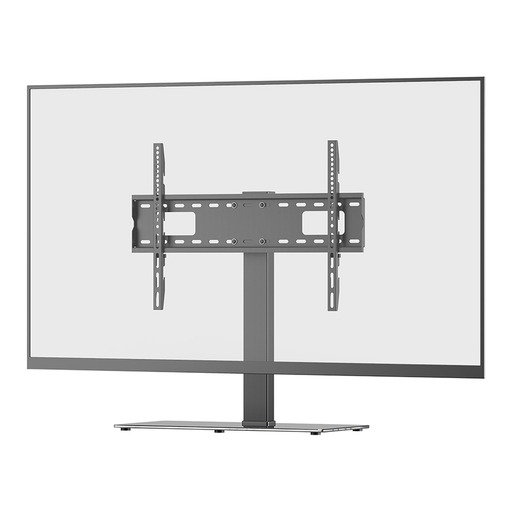
Why It Stands Out This model is an excellent alternative to a standard TV base. It combines a sleek design with a glass base and enhanced functionality. The swivel TV stand allows you to adjust the viewing angle, and the height is adjustable to three positions for a better viewing experience.
Pros
Who Is It For? For anyone seeking a more stable and flexible solution than the standard included TV base, without needing to drill or place a large floor stand.
The stands mentioned above focus on functionality and a modern aesthetic. Are you looking for a solution that better matches a specific interior design style? For a more rustic or decorative look, check out our selection of rustic television stand risers.
The VESA pattern is usually listed in your television's manual or on the manufacturer's website. You can also measure it yourself: measure the distance between the four mounting holes on the back of the TV, first horizontally and then vertically. The dimensions in millimetres (e.g., 200 x 200 mm) make up the VESA pattern.
Yes, as long as you strictly adhere to the manufacturer's specifications. Always check that your TV's weight and size are within the limits of the TV stand. A correctly installed stand on a flat, stable surface is a safe setup.
The main advantage is flexibility. You don't have to drill holes in the wall, which is ideal for rental properties or if you want the ability to change your room's layout. Furthermore, a TV stand on wheels offers mobility, allowing you to use the screen in different rooms.
