
Evening viewers of space scenes
If you usually watch with the lights dimmed, being able to make out stars against a dark background may matter more than maximum brightness during the day.


If you mainly watch dark space scenes in the evening, compare OLED TVs. If your room gets a lot of daylight, mini-LED or other LCD TVs are also worth considering. The Dutch Consumers’ Association generally describes OLED as offering deeper blacks and wider viewing angles, while LCD TVs can often deliver greater brightness. Measure your viewing distance and check for reflections and picture quality from different seats. Then check the apps, speech clarity and energy label for the exact model.
If you usually watch with the lights dimmed, being able to make out stars against a dark background may matter more than maximum brightness during the day.
If you watch together from the side or in changing light, viewing angles, reflections and choosing the right screen size all play a part.
If you want to hear speech clearly without turning the volume up unnecessarily, compare speech clarity, the streaming apps you want, power consumption and the purchase price too.
For space scenes in a shared living room, black levels, seating positions, screen size, speech clarity and shared running costs all play a different part.
| What to consider | What should you check? | Who is this important for? |
|---|---|---|
| Black levels and contrast | Compare the same dark scene on OLED and LCD; with LCD, also look for a halo around bright objects. | If I mainly want to see stars against a dark background, I focus on black levels. Around 28% of consumers put dark-scene performance first. |
| Viewing angles and reflections | View the screen from the seats furthest to the side, with the lighting set as it usually is at home. | When we watch from different seats or in daylight, I want to know how the picture and reflections look from those positions. Around 22% of consumers prioritise visibility from multiple seats. |
| Screen size for your room | Measure the viewing distance and check the dimensions, including the stand, for the exact model. The Dutch Consumers’ Association suggests dividing the distance by 2.4 as a starting point for the screen diagonal in centimetres. | If the TV needs to be easy to watch from the furthest seat and fit on the stand, I start by measuring. Around 22% of consumers put choosing the right size first. |
| Clear speech | Listen to spoken dialogue at a normal volume and check whether the model has the audio output you want. | If I want to follow the commentary without constantly turning up the volume for my housemates, I focus on speech clarity. Around 17% of consumers prioritise listening comfortably and clearly. |
| Apps and running costs | Check for the apps you want and, for screens of a similar size, compare the energy label and the SDR and HDR information. | If we share streaming and electricity costs, I want to know in advance whether our services are available and how to compare energy use. Around 11% of consumers give access and running costs top priority. |
A 4K screen won’t automatically show more detail if the programme or stream doesn’t provide suitable source material.
Also compare a programme you actually watch, with dark scenes similar to star fields.
OLED pixels produce their own light; mini-LED and QLED are types of LCD. This difference can affect things such as black levels and brightness.
Compare the screen technologies in the lighting conditions of your living room, then check the specifications of the exact model.
In a shared living room, viewing angles and reflections can look different for housemates sitting to the side.
Measure the distance from several seats and check the picture from the furthest seat to the side too.
Any manufacturer’s or seller’s warranty is separate from your statutory rights. According to ACM ConsuWijzer, these depend on what you could reasonably expect from the product under normal use.
Keep your proof of purchase and contact the seller if the product develops a fault sooner than expected.
The Philips 50PUS8001/12 is an example of a 50-inch 4K LED TV with Ambilight and Titan OS, as listed on Philips’ Dutch product page.
The C6K series uses QD mini-LED LCD technology, making it worth comparing if brightness and local dimming matter to you.
The Dutch model pages include both OLED and Neo QLED mini-LED models, so you can compare different screen technologies within the brand.
LG describes OLED as a technology with individually lit pixels, which is relevant when comparing dark scenes.
This selection includes OLED, mini-LED LCD and standard LCD TVs for dark space scenes, shared viewing and different screen sizes.
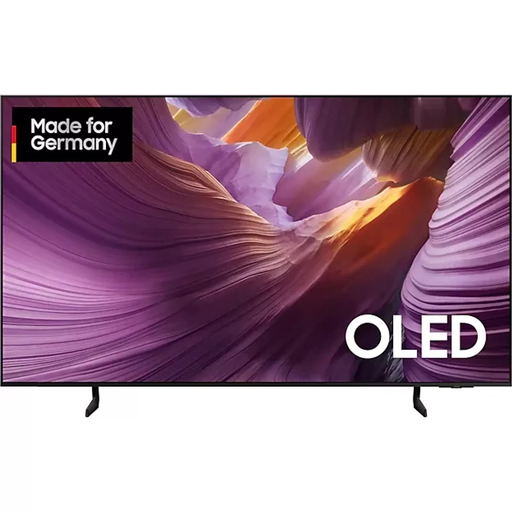 No image available
OLED is worth comparing if you mainly watch dark space scenes in the evening; the Dutch Consumers’ Association generally describes OLED as offering deeper blacks.
55 inch; OLED; 4K.
Image retention can be a consideration if you display static images for long periods.
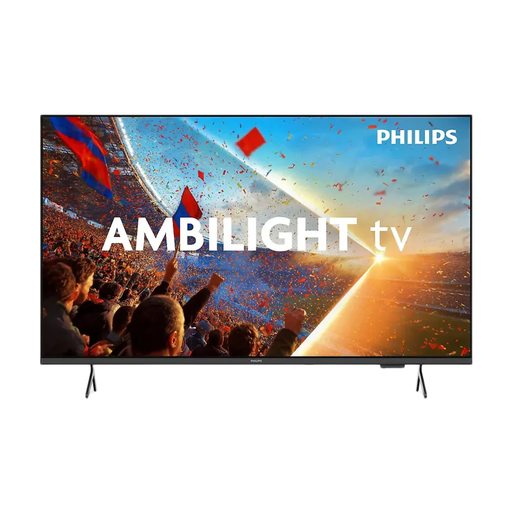 No image available
This LCD option could suit you if a 55-inch 4K TV fits your room; black levels are still worth considering for dark backgrounds filled with stars.
55 inch; 4K; energy label F.
The Dutch Consumers’ Association notes that LCD TVs often struggle to produce true black.
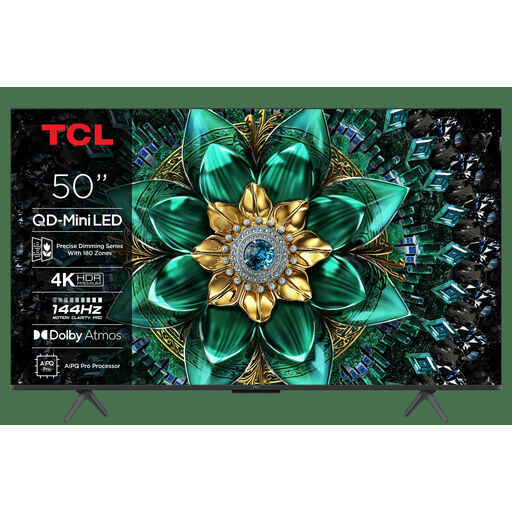 No image available
This mini-LED LCD option is worth comparing if you want to weigh local dimming and brightness against OLED for dark scenes.
50 inch; QD Mini-LED; 4K.
It’s still an LCD TV, so compare black levels and reflections for the exact model in the room where you plan to watch.
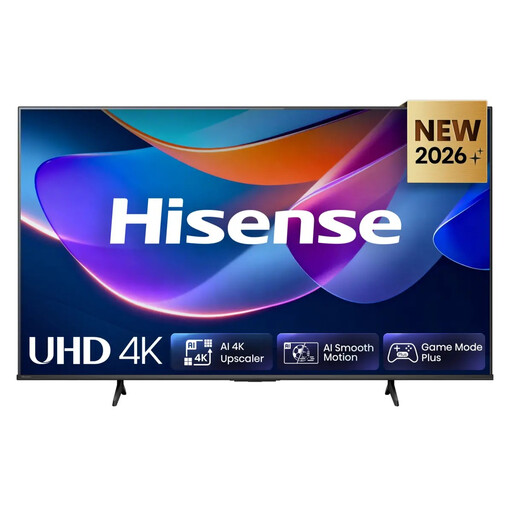 No image available
This standard LCD option is worth considering if you’re looking for a 50-inch 4K TV; for space scenes, also check how black levels and reflections look in your room.
50 inch; UHD 4K; Smart TV.
The Dutch Consumers’ Association notes that LCD TVs often struggle to produce true black.
 No image available
This mini-LED LCD option is worth comparing if a 55-inch screen suits your viewing distance and you want to stream through the TV.
55 inch; Mini LED; 4K; Google TV.
Compare the black levels and reflections of this LCD model in the room where you watch.
No. A 4K screen won’t automatically give you 4K detail. The recording and the stream or broadcast also need to support it. Start by choosing a screen size and picture performance that suit your room.
Measure your viewing distance and divide it by 2.4 as a starting point for the screen diagonal in centimetres. Then compare screen sizes and check the dimensions, including the stand, for the exact model.
For a standard online purchase by a consumer, you generally have a statutory 14-day cooling-off period from the date of delivery. ACM ConsuWijzer specifically gives a new television ordered online as an example; check the returns terms in advance too.
No. Alongside any manufacturer’s or seller’s warranty, you have statutory rights: under normal use, the product must meet what you could reasonably expect. ACM ConsuWijzer explains that statutory warranty is not set at exactly two years for every TV; the seller is your point of contact.
Televisions covered by EU rules for electronic displays have an energy label from A to G. The European Commission says the label information also helps you compare SDR and HDR use; don’t use an old A++ rating as a benchmark for a new model.