Relevant brands to consider
The examples below describe features of specific models. They aren’t a ranking of brands or a judgement on current availability.
LG
The OLED42C5ELB is a 42-inch OLED model for anyone looking for a compact screen.
- LG lists 4K and pixel-level black control for this model. These are manufacturer claims, not the result of an independent comparison.
- Consider reflections and how the TV performs in the lighting conditions in your room.
Samsung
The QE43QN90FATXXN is a 43-inch Neo QLED Mini LED model.
- This model is described as having a Neo QLED Mini LED screen.
- Compare brightness, reflections and contrast for the exact model. The Mini LED name alone doesn’t determine how the picture will look in your room.
Philips
The 43PUS9000/12 is a 43-inch 4K QLED TV with Ambilight.
- Philips lists Dolby Vision and Dolby Atmos among this model’s specifications.
- Ambilight needs space around and behind the TV. A Dolby Atmos label isn’t an independent assessment of sound quality.
Panasonic
According to Panasonic, the TV-42Z90BE6 is a 42-inch 4K OLED TV with Fire TV.
- Panasonic lists built-in Dolby Atmos sound for this model.
- The sound specification isn’t an independent measurement. Decide for yourself whether the built-in sound suits the way you watch films.
Sony
The K-43S3 is a 43-inch LCD TV; Sony specifies four HDMI inputs.
- Sony lists eARC/ARC and Dolby Vision for this model.
- The specifications also list a 50Hz screen and LCD backlighting; these aren’t measured comparisons with other models.
TVs at Joybuy
This selection at Joybuy includes 42- to 43-inch TVs, with OLED and QLED options and a range of HDR and connectivity features.
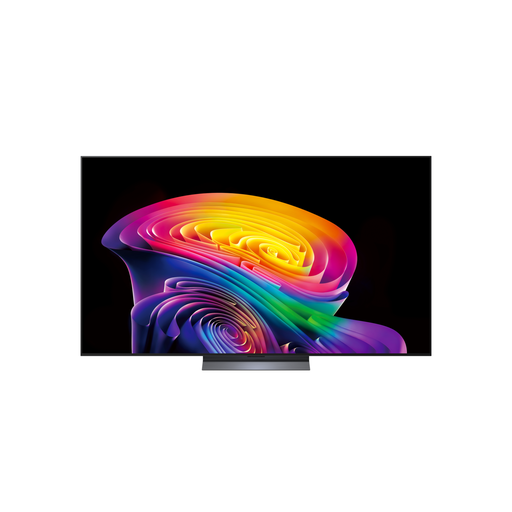 Image unavailable
LG OLED42C68LA 42-inch 4K OLED TV
A compact OLED option for film fans who focus on dark scenes.
42 inches, 4K, Dolby Vision and HDR10. Four HDMI inputs and eARC.
Image retention is worth bearing in mind with prolonged static images. The Dutch Consumers’ Association’s older test doesn’t set a fixed safe viewing duration for current models.
View at Joybuy
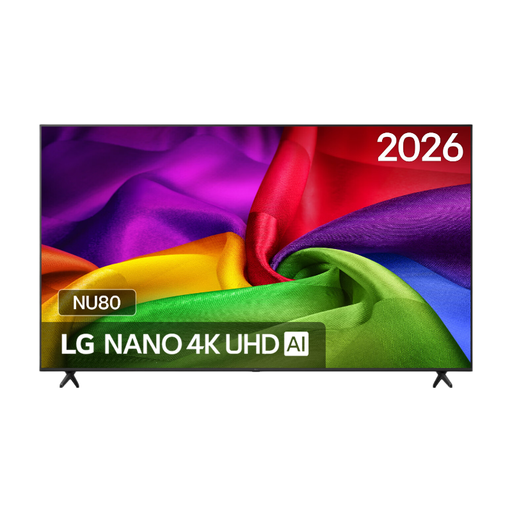 Image unavailable
LG 43NU800B6LC 43-inch 4K Nano UHD Smart TV
A 43-inch option to compare if you want to connect several HDMI devices.
4K, HDR10/HLG, three HDMI inputs and eARC.
View at Joybuy
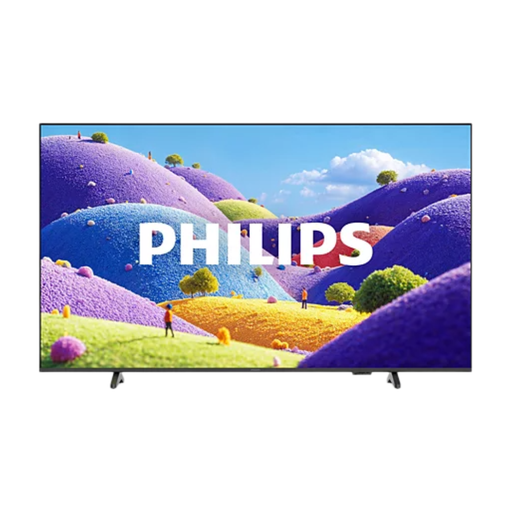 Image unavailable
43PUS7061/12 4K LED TV
A 4K TV to consider if you want to compare HDR formats and connections alongside the space available.
HDR10+ and HLG, three HDMI inputs and eARC. The product description lists Dolby Atmos.
View at Joybuy
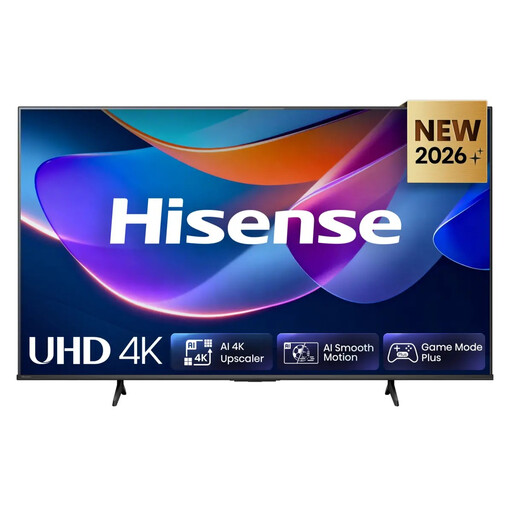 Image unavailable
Hisense 43A6S 43-inch 4K UHD Smart TV
A 43-inch option for weighing up HDR formats and available connections for film viewing.
60 Hz, Dolby Vision, HDR10+ and Filmmaker Mode. Three HDMI inputs and eARC.
View at Joybuy
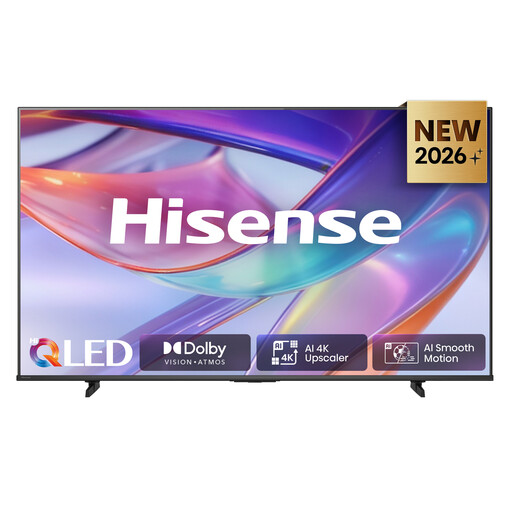 Image unavailable
Hisense 43E7S 43-inch 4K UHD QLED TV
A 43-inch QLED option to compare with other screen types, taking your viewing conditions and available space into account.
4K UHD, HDR10+ and three HDMI 2.1 inputs with eARC.
View at Joybuy
Frequently asked questions
Is 43 inches always the right size for a small seating area?
No. Measure the distance from your eyes to the screen and check the TV’s overall dimensions, including the stand. The Dutch Consumers’ Association uses viewing distance divided by 2.4 as a starting point for the diagonal in centimetres; compare nearby screen sizes too.
How do I connect a soundbar?
Check that both the TV and soundbar support HDMI ARC or eARC, and use the TV socket marked for this purpose. Also allow for the space the soundbar will take up in your seating area.
What should I check before wall-mounting a TV?
For the exact model, check which bracket is suitable, the distance between the screw holes and the manufacturer’s installation instructions before planning the installation.
Should I be mindful of static images on an OLED TV?
Yes, prolonged static images are worth bearing in mind. The Dutch Consumers’ Association’s older test examined image retention under prolonged, unusual test conditions and doesn’t set a fixed safe viewing duration for current TVs.
Which energy and warranty rules apply in the Netherlands?
According to the European Commission, TVs are covered by EU energy labelling rules for electronic displays, with a scale from A to G. ACM ConsuWijzer states that the statutory guarantee applies in addition to any commercial warranty. The remedy for a fault depends on what you could reasonably expect from the product with normal use.


