What should you look for when choosing?
Start with a screen size that suits your viewing distance and stand. Then choose the display technology that best fits the light in your room, your viewing angle and when you usually watch.
| What to consider |
What to look for when buying |
Who is this important for? |
| Screen size and placement |
Measure your viewing distance and the available width and height. The Consumentenbond suggests dividing the distance by 2.4 as a starting estimate for the screen diagonal in centimetres. |
If my TV needs to fit on a particular stand, I measure both the viewing distance and the available space. Around 36% of consumers prioritise a suitable size and placement. |
| Picture quality in daylight |
Compare brightness and reflections in similar lighting conditions. The Consumentenbond generally describes OLED as offering good black levels and viewing angles, while LCD TVs can be bright. |
If I watch landscapes during the day, I want to see the details even when light is coming into the room. Around 29% of consumers give visibility in daylight their highest priority. |
| Programmes and dialogue |
Check that your preferred app or TV reception is available and compare the sound quality of the specific models. Check the connections too if you use your own equipment. |
If I watch through an app and want to hear spoken commentary clearly, I check both on the TV itself. Around 21% of consumers prioritise access to programmes and clear dialogue. |
| Energy use and extra features |
Compare the EU energy label for the exact models, including HDR viewing, and decide in advance whether you need wall mounting or extra equipment. |
If I take energy use and placement features into account, I compare the label and work out what installation I’ll need. Around 14% of consumers put these running costs ahead of the other considerations. |
TVs on Joybuy
This selection includes 42- and 43-inch TVs with OLED, LED and QLED technology. Compare the screen size with your viewing distance and available space, then check the features that suit your viewing habits before you choose.
 Image unavailable
LG OLED42C68LA 42-inch 4K OLED Smart TV
A 42-inch OLED model to compare if this screen size suits your viewing distance and you’re considering OLED for evening viewing.
The product name lists 4K, Dolby Vision, HDR10, Dolby Atmos, HDMI 2.1 and webOS.
View at Joybuy
 Image unavailable
LG 43NU800B6LC 43-inch 4K Smart TV
A 43-inch option to compare with your available space and viewing distance if you’re looking for a smart TV.
The product name lists 4K; the product description mentions LCD, direct backlighting and webOS.
View at Joybuy
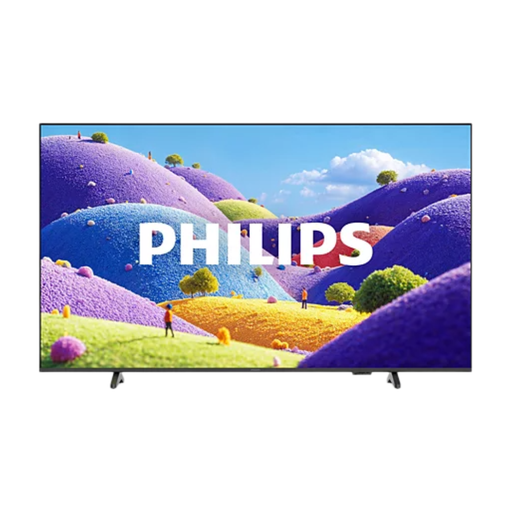 Image unavailable
Philips 43PUS7061/12 43-inch 4K LED TV
This 43-inch TV is an option to compare with your viewing distance and available space.
The product name lists 4K; the product description mentions Titan OS, HDR10+ and access to streaming apps.
View at Joybuy
 Image unavailable
Philips 43PQS7801 43-inch 4K QLED Smart TV (2026)
A QLED option to compare with other 43-inch models if this size suits your room. The technology name alone doesn’t determine how the picture performs.
The product name lists 4K and Smart TV; the product description mentions HDR10+ and Titan OS.
View at Joybuy
 Image unavailable
METZ 43MQF7500Z 43-inch 4K QLED Google TV
This 43-inch QLED TV is an option to compare with your viewing distance and available space.
The product name lists 4K and Google TV; the product description mentions HDR10+, Dolby Vision and Dolby Atmos.
View at Joybuy
Frequently asked questions
Is 43 inches always the right size for a small living room?
No. First, measure the distance from your eyes to where the screen will be. The Consumentenbond suggests dividing the distance by 2.4 as a starting estimate for the screen diagonal in centimetres, and gives a range of 32–43 inches for a viewing distance of 200 cm. Remember to measure your stand too.
Does a 4K TV automatically show more detail in every travel programme?
No. The content you’re watching must also be available in 4K. According to the Consumentenbond, this doesn’t apply to standard programmes on NPO or RTL.
What energy use can I compare between TVs?
Compare the energy labels for the exact models, including the information for HDR viewing. The European Commission confirms that TVs are covered by EU energy labelling and ecodesign rules. Changing the picture settings can affect actual energy use.
What are my rights when buying online in the Netherlands?
For eligible distance purchases from a business, you generally have 14 days to change your mind, according to the Dutch government. The seller must also supply a product that is fit for purpose; there is no fixed statutory two-year warranty period in the Netherlands.
How do I set up my TV’s picture at home?
According to the Consumentenbond’s step-by-step guide, start with the Home mode rather than the Shop mode. Then compare a familiar scene in the lighting you normally use and adjust the brightness, contrast and colour to suit your preference.


