
Viewers sitting in different places
If you watch together from different seats, check dark scenes and intertitles from every regular viewing position. RTINGS.com explains that a wide viewing angle matters for groups spread across a room.


Start by matching the TV to your seating and the light in the room. OLED is worth considering for evening viewing and dark scenes, while an LCD TV with mini-LED is also worth a look in a bright room. Test with a clip from a film you own to check that intertitles remain readable from every seat, and set the picture to the original aspect ratio. 4K won’t automatically make low-detail source material sharper.
If you watch together from different seats, check dark scenes and intertitles from every regular viewing position. RTINGS.com explains that a wide viewing angle matters for groups spread across a room.
If you can dim the room, look for visible detail in dark scenes as well as clear, readable intertitles. Consumentenbond highlights deep black levels as something to consider with OLED TVs.
If you also watch during the day or with the lights on, check from your usual seats whether reflections get in the way. The conditions in your room make a difference.
Compare TVs in the room and from the seats where you’ll actually use them. Consumentenbond and RTINGS.com highlight viewing angle, black levels and ambient light as relevant factors. Assess each one separately.
Best for: frequent evening viewing and dark scenes, especially if you want the picture to remain watchable from the outer seats too.
Keep in mind: check brightness and reflections in a bright room; frequent, repeated static images are another factor to consider.
Best for: comparing options for a bright, shared room or a spot where light falls on the screen.
Keep in mind: the mini-LED specification alone won’t tell you how wide the viewing angle is or how intertitles appear against a dark background.
Best for: watching mainly from directly in front of the screen and prioritising screen size or connections over maximum dark-scene contrast.
Keep in mind: viewing angle and black levels vary by panel and model; don’t judge them by the LCD or QLED label alone.
| What to consider | What to look for when buying | Who should pay extra attention? |
|---|---|---|
| Viewing angle | Watch the same dark clip from the middle and outer seats; also consider viewing distance and screen size. | When we watch together, I want greyscale tones and intertitles to remain clear from the side too. Around 36% of consumers give viewing angle the highest priority. |
| Dark-scene contrast and intertitles | Compare dark scenes with bright text in the lighting you usually watch in; also look for a glow around the text. | For evening films, I want to make out detail in dark scenes without the intertitles disappearing. Around 29% of consumers prioritise dark-scene contrast. |
| Reflections | Assess the screen during the day and in the evening, and consider how windows and lamps are positioned relative to your seat. | If there’s daylight or lamplight in the room, I want to know whether reflections will get in the way of the film. Around 21% of consumers pay particular attention to reflections. |
| Aspect ratio and player | Try the original aspect ratio with the player you intend to use, and check the connections on the exact TV model. | For my film collection, I want to preserve the original composition and make sure my player can be connected. Around 14% of consumers prioritise source format and connections. |
A 4:3 silent film may be stretched or cropped to fill a widescreen display. This changes the original composition.
Where appropriate, choose the original aspect ratio and accept that there may be empty space beside the picture. LG Nederland explains that the aspect ratio can be set to 4:3 or 16:9, depending on the input signal.
Viewers sitting at the side may see a different picture from someone in the middle. This matters for dark scenes and the readability of intertitles.
Watch a clip from a film you own from every regular seat, with the room lit as it usually is.
Black levels, reflections and viewing angle are separate characteristics. An LCD, mini-LED or OLED label alone won’t tell you how the exact model will look from your seats.
Compare the specifications of the exact model and, where possible, test dark scenes and reflections in the viewing setup you plan to use.
In the Netherlands, your legal guarantee is separate from a guarantee offered by the seller or manufacturer. A commercial warranty period does not replace this distinction.
Compare any additional cover with your legal rights and read the relevant terms and conditions. ACM ConsuWijzer explains that the legal guarantee exists alongside a seller’s or manufacturer’s guarantee.
The OLED55C56LB is a specific OLED model to compare for evening viewing and dark scenes.
The 55C7K offers a QD mini-LED LCD option to compare for a bright, shared room.
The 55OLED810/12 is an OLED model with Ambilight as part of the viewing experience.
The K-55XR80 is an OLED model to consider if you want to connect an existing film player.
The QE55QN90FATXXN is a 55-inch Neo QLED mini-LED model to compare with OLED.
These Joybuy products are OLED TVs to compare for evening viewing with dark scenes. Also check viewing angle, reflections, 4:3 playback and the connections you need.
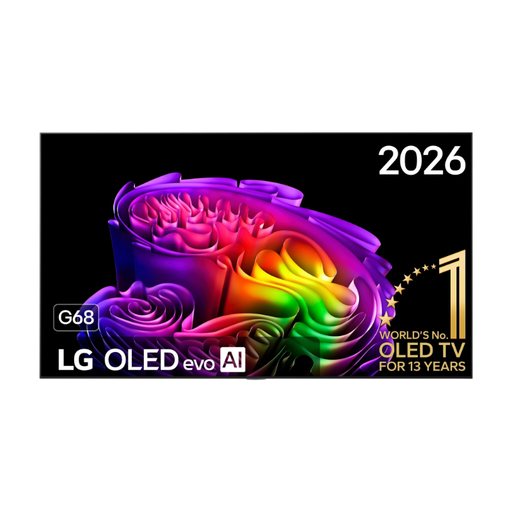 No image available
An OLED option to compare for evening viewing with dark scenes; assess the picture from the seats you use too.
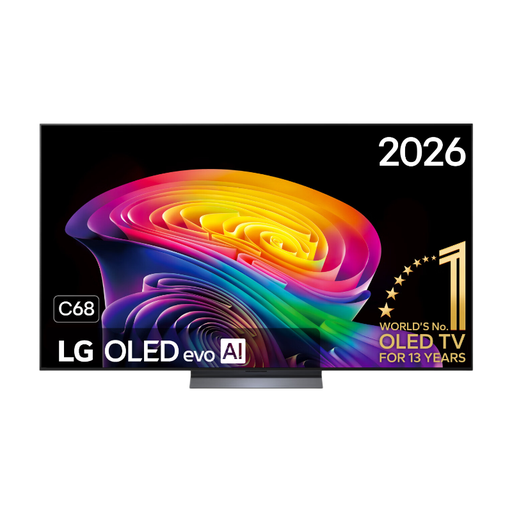 No image available
An OLED option to compare for evening viewing with dark scenes; test how clearly the picture can be seen from different seats.
65 inches; 4K; OLED Evo AI C6.
No image available
An OLED option to compare for evening viewing with dark scenes; assess contrast and intertitles with a clip from a film you own.
55 inches; 4K; OLED Evo AI C6.
 No image available
An OLED option to compare for dark films; check that the screen size suits your viewing distance and shared seating arrangement.
42 inches; 4K; Dolby Vision.
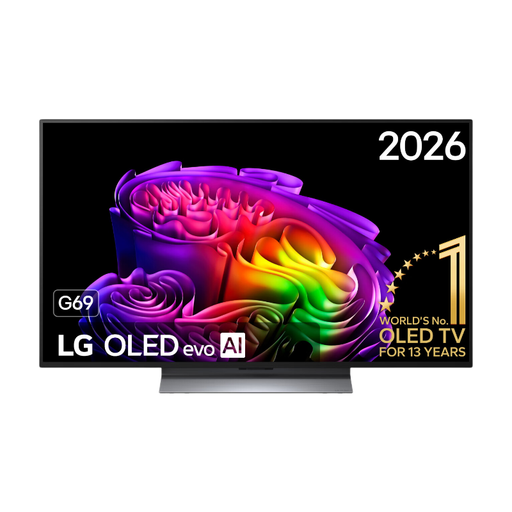 No image available
An OLED option to compare for evening viewing; watch dark scenes and intertitles from the seats you use.
48 inches; 4K; OLED Evo AI G6.
No. If the source is 4:3, choosing the original aspect ratio preserves the composition, even if that leaves empty space beside the picture. Check the source and aspect ratio setting together; not every film uses the same ratio.
No. A 4K screen won’t automatically make low-detail source material sharper. So assess a clip from the version you actually plan to watch.
Compare your player’s output with the inputs on the exact TV model. Sony lists HDMI inputs but no composite video input for the K-55XR80; check the connections on other models individually.
Check the energy label and product information sheet for the exact model; the European Commission lists an A to G scale for TV energy labels. In the Netherlands, the legal guarantee exists alongside a guarantee from the seller or manufacturer; ACM ConsuWijzer explains the distinction.
According to ACM ConsuWijzer, ordinary online consumer purchases generally come with a statutory cooling-off period that ends 14 days after delivery. Check the applicable returns policy in advance and handle the TV carefully while trying it out.