
Host with a wide seating arrangement
You’re placing chairs to the left and right of the TV, and want guests at either end to see the picture clearly. RTINGS.com notes that viewing angle matters when seating is spread out.


Start with the seating: if your group will be spread out in front of the TV, consider how the picture looks from the seats at either end. Then choose a screen size that lets those at the back read the intertitles, and assess reflections and how your own film copy looks. A bigger or brighter screen isn’t automatically the right choice for every room. RTINGS.com discusses viewing angles and reflections as separate considerations, while Eye Filmmuseum explains the importance of intertitles.
You’re placing chairs to the left and right of the TV, and want guests at either end to see the picture clearly. RTINGS.com notes that viewing angle matters when seating is spread out.
You want to know whether everyone can read the intertitles from their seat; screen size and the quality of the film copy also play a part. Eye Filmmuseum explains how intertitles convey information about the story.
You can’t keep covering the windows or switching off the lights during the film, so you’ll want to consider reflections as well as viewing angle. RTINGS.com treats reflections as a separate aspect of picture quality.
When to consider it: If guests will be watching from noticeably off-centre and you can darken the room during the film, compare the viewing angle of the specific model from the seats you plan to use.
Bear in mind: Assess reflections separately. RTINGS.com flags image retention as a consideration for prolonged, repeated use with static images; that’s not the same as a typical film night.
When to consider it: Consider a larger screen size if viewers will be sitting further away and need to be able to read the intertitles from there.
Bear in mind: A larger screen doesn’t guarantee a wide viewing angle. Check the picture from the seats at either end, and take the room’s light sources into account.
| Consideration | What to look for when buying | Who should pay particular attention? |
|---|---|---|
| Viewing from the seats at either end | Compare the specific model from the seats you plan to use; look for changes to the picture when viewed at an angle. | If my guests will also be sitting off-centre, I want the picture to be easy to see from the seats at either end. Around 28% of consumers prioritise viewing from the side. |
| Intertitles from the back row | Watch a clip with intertitles from your actual viewing distance and compare suitable screen sizes. | If guests will be sitting at the back, I want them to be able to follow the text without relying on a bigger screen alone. Around 22% of consumers prioritise readability from the back row. |
| Older or low-resolution source material | Test your own DVD, file or player and compare the sharpness setting; excessive sharpening can alter the picture. | If I want to watch my existing film copies, I want to know how the text and picture look with my own source. Around 22% of consumers make picture quality with their own source their top priority. |
| Reflections in the room | Check where the windows and lights are, and assess reflections from the seats you plan to use. | If the lights or windows will remain on during the screening, I want to know how much light is reflected back onto the screen. Around 17% of consumers put room lighting at the top of their list of priorities. |
| Energy consumption and features | Compare the EU energy labels for the exact models, and don’t let features you don’t need determine your choice. | If running costs matter more to me than extra features, I want to compare the energy labels of specific models. Around 11% of consumers make running costs their top priority. |
Guests sitting to the side may see a different picture from someone sitting directly in front of the screen.
Compare the specific model from the seats at either end of your planned seating arrangement.
Upscaling processes the signal it receives; setting sharpness too high can alter the text and picture in unwanted ways. RTINGS.com explains that excessive sharpening can affect the intended picture.
Try your own film copy and adjust the sharpness setting to suit it.
A larger screen won’t automatically solve distracting light on the picture, and energy information should be compared for each model.
Check for reflections in the room you plan to use and compare the EU energy labels for the exact models.
The Dutch model page lists the OLED65C69LB as a 65-inch OLED evo C6. That makes it a model worth exploring as an OLED option for spread-out seating.
The Dutch product page lists the 65-inch QE65S90HAEXXN as an S90H OLED. You could include this model in your comparison if room lighting is a factor as well as the seating arrangement.
The Dutch models 65OLED810/12 and 75MLED810/12 offer a 65-inch OLED and a 75-inch QD MiniLED option respectively, which you can compare based on viewing distance and how you plan to use them.
These Joybuy models offer a range of screen sizes and display technologies to compare for a film night with a group. Consider the seats at either end and at the back, your own film source and the room’s lighting.
 No image available
A 65-inch OLED option to assess from the seats at either end and with your own film copy.
65 inches; OLED evo; 4K; AI Super Upscaling 4K; Filmmaker Mode.
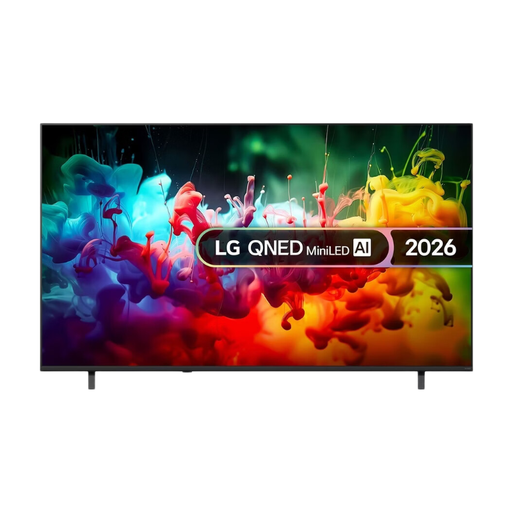 No image available
A larger screen size to compare when viewers will be sitting further from the screen; also check the picture from the sides.
75 inches; Mini LED; 4K; 4K Super Upscaling; Filmmaker Mode.
 No image available
A 75-inch model to assess based on the back row’s viewing distance and visibility from the seats at either end.
75 inches; QLED; QD-Mini LED; 4K; HDR support.
 No image available
A 55-inch OLED model to compare with your viewing distance and the space you have available for a group.
55 inches; OLED; 4K; four HDMI ports.
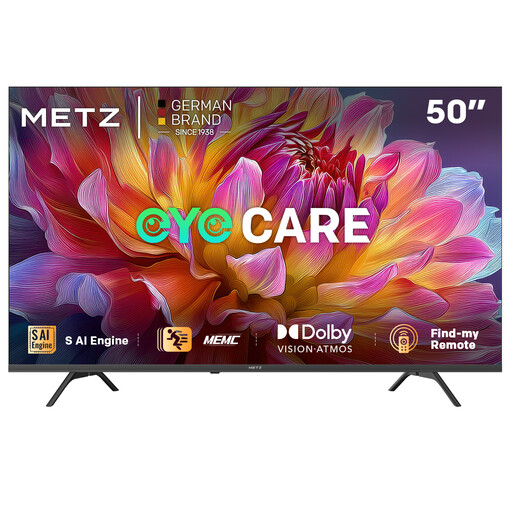 No image available
A 50-inch option to include in your comparison if you’re weighing up the space available and viewing distance.
50 inches; 4K; Google TV; HDR10; Dolby Vision.
Not just because of the age of the film. Eye Filmmuseum notes that silent films were often shot at around 18 frames per second, with variations from 12 to 22 frames per second, so check your film copy and player. RTINGS.com discusses 24p and 25p playback separately, and a high gaming refresh rate doesn’t tell you how your copy will look.
First compare the film copy, your player’s output and the TV’s sharpness setting. Upscaling can alter how low-resolution material looks, while setting sharpness too high can affect the intended picture. Try a clip from your own film to see the difference.
First plan where the seats at either end and at the back will go, then assess the TV from those positions. Check the viewing angle, whether a real intertitle is easy to read, and any reflections from windows or lights that will stay on during the screening.
To compare energy use, check the EU energy label for the exact TV model; the European Union also refers consumers to EPREL for energy information about appliances. For a consumer purchase in the Netherlands, a product must last as long as you can reasonably expect it to, as ACM ConsuWijzer explains in its guidance on the legal guarantee. According to the Dutch government, online purchases come with a 14-day cooling-off period in many cases, although exceptions apply.