
Regular side seat
If you usually sit off-centre, check whether colour and contrast are retained well enough from your exact seat. RTINGS.com highlights viewing angle as an important consideration when seating is spread out.


When choosing a TV for watching short films from a side seat, first consider how well it retains colour and contrast from your viewing position. OLED is generally a strong option. An LCD TV with a demonstrably wide viewing angle may also suit you, but check reflections, screen size and positioning in your room for either type.
If you usually sit off-centre, check whether colour and contrast are retained well enough from your exact seat. RTINGS.com highlights viewing angle as an important consideration when seating is spread out.
If you sit spread out with others, you’ll want a convincing picture from the seats at either end too. RTINGS.com says a wide viewing angle is important for a wide seating area.
If you often watch in daylight or with the lights on, assess both reflections and picture quality from your usual seat. The Consumentenbond recommends assessing the TV with the lighting you normally use.
A good fit if: you often watch from an angle and deep blacks matter to you in dark film scenes. The Consumentenbond generally describes OLED TVs as having a wider viewing angle.
Trade-off: also compare the exact model for reflections, screen size and the amount of light in your room.
A good fit if: you’re looking for an LCD alternative for multiple viewing positions. RTINGS.com describes IPS as offering wider viewing angles than VA.
Trade-off: RTINGS.com also describes IPS as having lower contrast than VA, which may matter in dark scenes.
A good fit if: you can position the TV so you’re sitting almost directly in front of it, and contrast matters more than viewing from the side.
Trade-off: RTINGS.com describes VA as a panel type that generally has narrower viewing angles than IPS.
Assess the exact model from your own side seat, using both a dark and a colourful scene, with the lighting you usually have on.
| Concern | What to look for | Who it matters more to |
|---|---|---|
| Colour and contrast from the side seat | View the exact model from your furthest seat, using both a dark and a colourful film scene. | When I sit off-centre, I want colour and contrast to remain recognisable from my regular seat. Around 42% of consumers prioritise picture quality when viewing from the side. |
| Reflections in room lighting | Assess reflections and dark scenes separately, in the lighting conditions you’ll actually watch in. | In daylight or with the lights on, I don’t want distracting reflections from my side seat. Around 25% of consumers give reflections top priority. |
| Film detail and screen size | Measure your viewing distance and take the film source and picture mode into account. | I want a screen size that suits my viewing distance and lets me see detail in the films I watch. Around 17% of consumers prioritise film picture quality and screen size. |
| Total cost and positioning | Compare the EU energy labels of TVs in a suitable size and check that your planned positioning will work. | When choosing my TV, I want to weigh up the purchase price, energy use and positioning. Around 16% of consumers prioritise total cost. |
QLED is an LCD TV, and the panel type and implementation affect the viewing angle. A model that looks good when viewed straight on may look different from the side.
Look for viewing angle information for the exact model, or assess it yourself from your seat. Compare a dark scene too.
Reflections and a loss of picture accuracy when viewed from the side are two separate considerations. An anti-reflection coating doesn’t automatically tell you how the picture will look from your seat.
Assess reflections and viewing angle separately, from the same side seat and under the lighting conditions you normally use.
A higher refresh rate alone doesn’t tell you whether short films will look good from a side seat. The Consumentenbond points out that picture processing can also cause picture artefacts with movement that is difficult to predict.
Watch short film clips using your preferred picture settings rather than comparing refresh rate figures alone.
In the Netherlands, the OLED evo C6 is available in models including the 55-inch OLED55C68LA and the 65-inch OLED65C68LA.
According to Philips, the Dutch 55OLED850/12 combines OLED with Ambilight. This may be relevant if you’d also like lighting behind the TV.
The Dutch BRAVIA 6 OLED range includes several screen sizes, making it possible to compare size and positioning within the range.
The Dutch S95H OLED is listed in a 77-inch version, the QE77S95HFTXXN. It’s worth comparing if a large screen suits your viewing distance and set-up.
These Joybuy picks are OLED TVs to compare for watching short films from a side seat. Choose a screen size to suit your viewing distance and check for reflections in your own room.
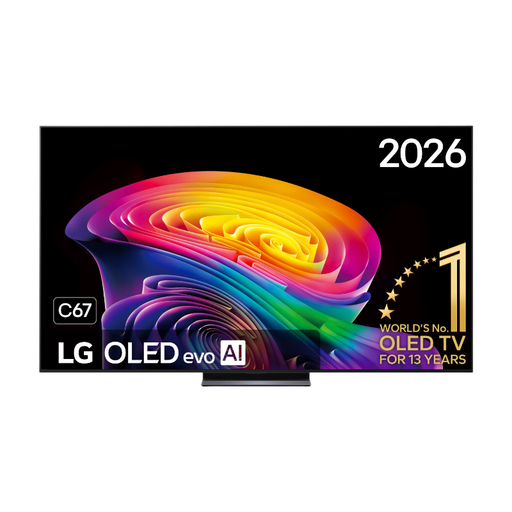 No image available
An OLED TV to compare if you watch from a side seat and a large screen suits your viewing distance.
83 inches; OLED; 4K.
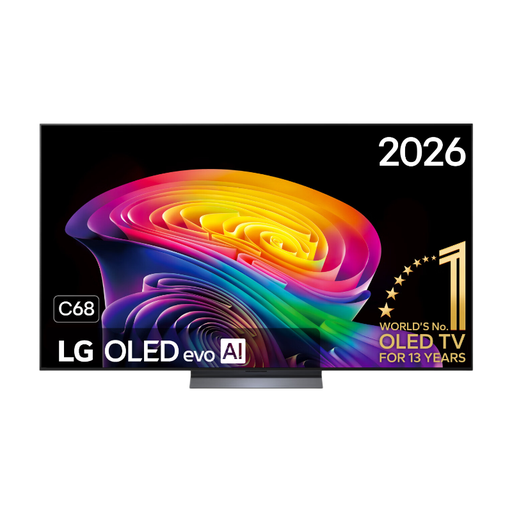 No image available
An OLED TV to compare if you watch films from a side seat and a 65-inch screen suits your set-up.
65 inches; OLED; 4K.
No image available
An OLED TV to compare for watching films from a side seat if a 55-inch screen suits your viewing distance.
55 inches; OLED; 4K.
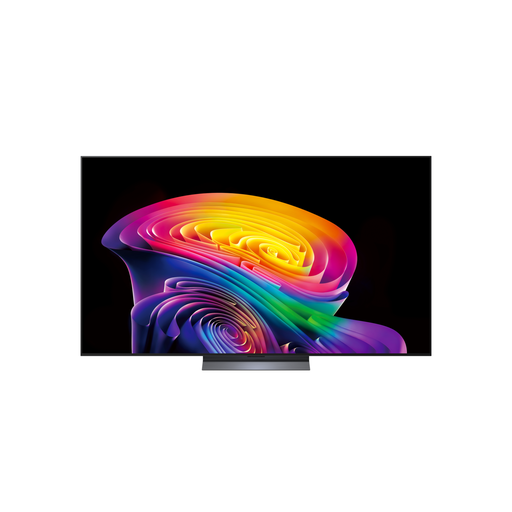 No image available
An OLED TV to compare if you watch from a side seat and a 42-inch screen fits the space available.
42 inches; OLED; 4K Ultra HD.
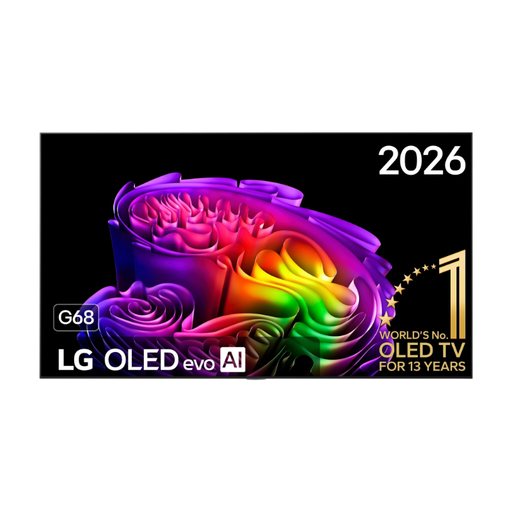 No image available
An OLED TV to compare for watching films from a side seat if wall mounting is an option and a 55-inch screen suits your room.
55 inches; OLED; 4K. The product description states that it has integrated wall mounting and does not include a table stand.
No, an LCD TV with an IPS panel can also be an option. The Consumentenbond generally describes OLED TVs as having a wider viewing angle; RTINGS.com says IPS offers wider viewing angles but less contrast than VA. Assess the exact model from an angle and with a dark film scene.
Watch a familiar scene from your own seat, with both light and dark areas, using the lighting you normally have on. The Consumentenbond recommends adjusting the picture settings so that details remain visible in both areas.
Compare the EU energy labels and model information for TVs in a size that suits you. In the Netherlands, you have a statutory guarantee without a fixed statutory guarantee period; if a product is faulty, contact the seller. If you’re considering an additional warranty, check what extra rights it provides.
According to ACM ConsuWijzer, when you buy a new TV online, you generally have a statutory cooling-off period of up to 14 days after delivery; the source specifically gives a TV as an example. Check the terms for trying and returning the product beforehand.