
Groups with seats to the side
You watch together, but not everyone sits directly in front of the TV. The Consumentenbond recommends considering the viewing angle when watching together, so check colour and contrast from the seats at either end.


Start with your seating: measure the viewing distance and assess the picture from the seats at the sides too. The Consumentenbond generally describes OLED as a technology with a wider viewing angle and deeper blacks, while QLED TVs can often offer higher brightness. That doesn’t automatically tell you how a particular TV will perform in your room. So compare reflections in your usual lighting conditions too, and check that speech is clear and the TV connects properly to your source.
You watch together, but not everyone sits directly in front of the TV. The Consumentenbond recommends considering the viewing angle when watching together, so check colour and contrast from the seats at either end.
You want to keep following the scenery when daylight comes in. Compare reflections and the picture on the specific TV in lighting conditions similar to those in your room.
You use different spots in the same room and want to follow the picture and spoken commentary clearly from your usual seats. Measure the viewing distance and check how clearly speech comes through too.
When to compare: if viewers sit in different positions and a wide viewing angle and deep blacks matter, especially if you can control the lighting.
The trade-off: compare the brightness and reflections of the exact model; OLED doesn’t guarantee a clear picture in every lighting condition.
When to compare: if you often watch during the day and have a lot of ambient light.
The trade-off: brightness doesn’t automatically prevent reflections. In its review of the TCL C8L/C89L, Tweakers noted reflections in bright conditions and blooming in the dark; this doesn’t necessarily apply to other mini LED models.
When to compare: if screen size, connections and available apps matter as much as the display technology.
The trade-off: QLED is an LCD technology, not another name for OLED or mini LED; viewing angle, reflections and speech clarity vary by TV.
| What to consider | What should you check? | Who will find this important? |
|---|---|---|
| Viewing from the side | Check the exact model from the seats at either end, and compare colour, contrast and subtitle readability. | If I watch from the end of the sofa, I want to follow the picture and subtitles clearly. Around 28% of consumers prioritise visibility from seats to the side. |
| Daylight and reflections | Consider the position of windows and lamps, and compare reflections in similar lighting. | In daylight, I want to keep seeing the scenery without reflections obscuring details. Around 22% of consumers prioritise visibility in daylight. |
| Screen size and placement | Measure the viewing distance and check the width and height, including the stand. The Consumentenbond suggests dividing the distance by 2.4 as a starting point for the diagonal in centimetres, not as a fixed size. | If people sit at different distances, I want to find a size that’s comfortable to watch and fits the room. Around 22% of consumers prioritise size and placement. |
| Speech clarity | Listen to quiet speech at a normal volume. If you’re using a soundbar, check that both it and the TV have the HDMI-ARC or eARC connection you need. | When we listen to commentary together, I want to hear the dialogue clearly without constantly adjusting the volume. Around 17% of consumers prioritise speech clarity. |
| Programmes and equipment | Check that your preferred channels or apps are available, and check the number and type of connections for your existing devices. | If I use an existing receiver or streaming source, I want to keep using it with the TV. Around 11% of consumers prioritise access to programmes and connections. |
Viewing angles vary between TVs. A picture that looks good from directly in front of the screen may look different from a seat at the side.
Check the exact model from the seats at either end that you use at home too.
Brightness and reflections are separate characteristics. The TCL C8L/C89L reviewed by Tweakers showed reflections in bright ambient light; this finding doesn’t necessarily apply to every model.
Compare brightness and reflections separately on the TV you’re considering.
A 4K screen won’t automatically show native 4K detail if the programme or source you’re using doesn’t provide it.
Check what’s available from the channel or streaming service you use.
According to the Dutch government, there is no fixed statutory warranty period in the Netherlands. What you can expect from a TV depends, among other things, on the product and the sales information; if a product is faulty, the seller is your point of contact.
Distinguish between a manufacturer’s warranty, a seller’s claim and your legal rights against the seller.
The OLED55C54LA.AEU is a specific OLED model to compare if viewing angle and black levels are important.
The QE55QN90FATXXN is a 55-inch Neo QLED mini LED model to compare in rooms with changing light conditions.
The 55C7K is a QD mini LED model to compare with other display technologies.
The 55PUS8510/12 is a 55-inch QLED LCD model to compare if Ambilight and apps are important.
The K-55XR5 is a 55-inch mini LED LCD model to compare with your existing equipment.
This selection includes OLED models and a TCL QD Mini LED model. Compare screen size and display technology with the seating and lighting conditions in your own room.
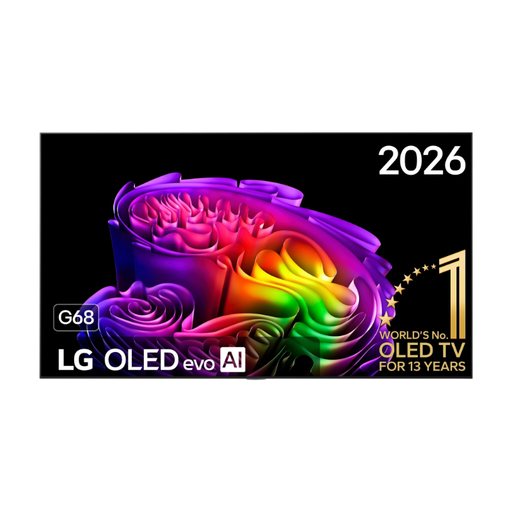 No image available
An OLED model to compare when several people watch together; check the picture from the seats at either end and measure the viewing distance before choosing a screen size.
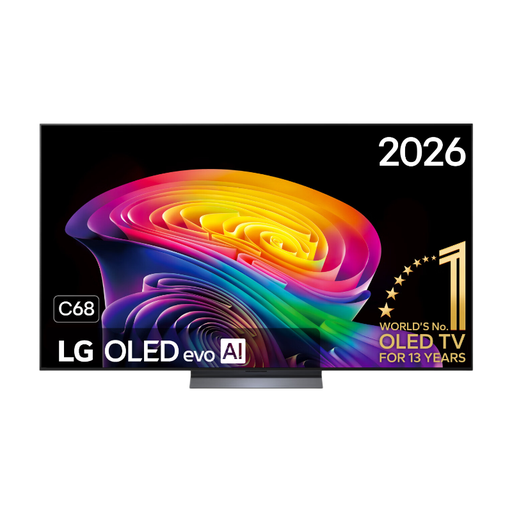 No image available
Compare this OLED model from seats to the side, and check for reflections in your usual lighting.
65-inch, OLED evo, 4K and webOS 26.
No image available
Compare this OLED model from your usual seats; measure the distance to the screen and check for reflections in your own room.
55-inch, OLED evo, 4K and webOS 26.
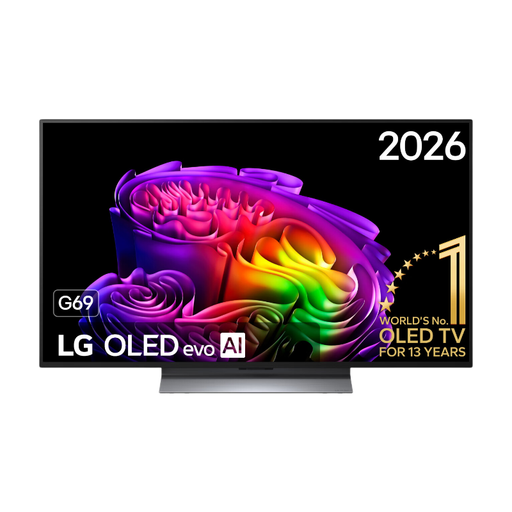 No image available
An OLED model to compare if space or viewing distance is a consideration; check that you can follow the picture and speech clearly from all your usual seats.
48-inch, OLED evo AI G6, 4K and webOS 26.
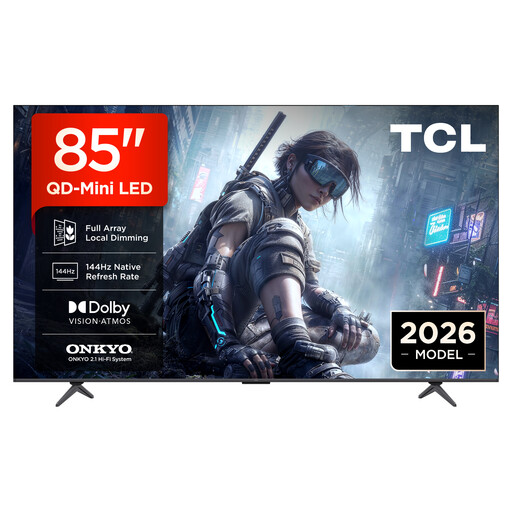 No image available
Compare this mini LED model if you often watch in daylight, but check reflections and side viewing separately for this TV.
85-inch, 4K, QD Mini LED, Google TV and 144 Hz.
Measure the distances from your usual seats and compare nearby screen sizes. The Consumentenbond suggests a viewing distance of around 2.4 times the screen diagonal as a starting point, not a fixed requirement; also check that the TV, including its stand, fits in the space you have in mind.
Assess a familiar scene in the lighting you usually watch in, then adjust the picture mode to suit. The Consumentenbond notes that shop settings are designed to showcase the TV; at home, check that details remain visible in both light and dark areas.
Count the HDMI inputs you need for receivers and other sources. For a soundbar, check that both the TV and the sound system support the HDMI-ARC or eARC connection you need.
According to the European Commission, the EU energy-efficiency scale for electronic displays runs from A to G. Use the label to compare the efficiency of specific models; it doesn’t tell you how clearly you’ll see the picture from your seats.
For a distance purchase from a business, you generally have a 14-day cooling-off period, according to the Dutch government. Before ordering, check the seller’s information about the terms and returning a large item.