What should you look for?
Start with your viewing distance and the space available. Then compare picture, sound and running costs for the exact model.
| What to consider |
What to look for |
Who should pay extra attention? |
| Screen size and placement |
Measure your viewing distance and check the overall dimensions and stand of the exact model. |
If I want to watch comfortably from the sofa and make sure the TV fits in the space available, I measure both before choosing. Around 28% of consumers give the highest priority to a suitable size and placement. |
| Contrast for evening viewing |
Compare dark scenes and HDR images on the exact TV; with OLED, bear in mind the effects of prolonged static images. |
If you mainly watch dark space scenes in the evening, you’ll want to assess detail and contrast clearly. Around 22% of consumers prioritise picture quality in dark scenes. |
| Visibility in daylight |
Look out for reflections from windows and assess the picture in similar lighting conditions. |
If I watch during the day, I want to know whether windows or lamps are reflected on the screen and how visible the TV is in that room. Around 22% of consumers make daylight picture quality their main consideration. |
| Speech and controls |
Check how clear voices sound at a normal volume and whether the apps and connections you need are available. |
If you want to follow explanations easily, look for clear speech and straightforward access to the content you want. Around 17% of consumers give speech and controls the highest priority. |
| Total cost and energy use |
Compare the energy labels for the same models, and keep SDR and HDR energy figures separate. |
If I want to take both the purchase price and electricity use into account, I compare models on the same basis. Around 11% of consumers prioritise total cost. |
TVs for a compact viewing setup
This Joybuy selection includes 42- and 43-inch TVs, with OLED, Nano UHD, QLED and LED options among them. Measure your available space and viewing distance, then compare the features that matter for your room’s lighting and how you watch.
 No image available
LG OLED42C68LA 42-inch 4K OLED Smart TV
The 42-inch size could be a good fit if you’re looking for a compact OLED TV for watching documentaries.
42 inches, 4K and OLED; the title also mentions Dolby Vision and HDR10.
View at Joybuy
 No image available
LG 43NU800B6LC 43-inch 4K Nano UHD Smart TV
This 43-inch version is worth comparing if you’re looking for a compact 4K TV.
43 inches, 4K and Nano UHD; the product name also mentions HDR10 and HLG.
View at Joybuy
 No image available
Philips 43-inch PQS7801 4K QLED Smart TV
This 43-inch model is a compact QLED option to compare with other screen types.
43 inches, 4K and QLED; the product name also mentions HDR10+ and HLG.
View at Joybuy
 No image available
METZ 43MQF7500Z 43-inch 4K UHD QLED Google TV
This 43-inch QLED model is one to include when comparing TVs for a compact viewing space.
43 inches, 4K UHD and Google TV; the product name also mentions HDR10+ and Dolby Vision.
View at Joybuy
 No image available
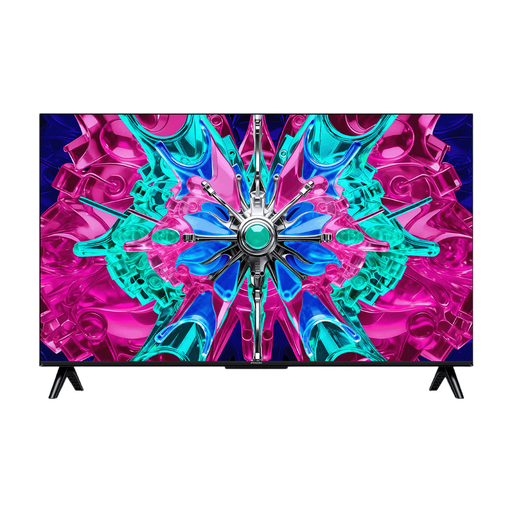
iFFALCON U65A 43-inch 4K LED Smart TV
Its 43-inch size makes this model worth comparing for a compact living room.
43 inches, 4K LED and 50 Hz; the product name also mentions HDR10 and HLG.
View at Joybuy
Frequently asked questions
How can I tell if a 43-inch TV will fit?
Measure from your usual seat to where you plan to put the screen, and check the TV’s physical dimensions and stand. The Consumers’ Association recommends 32–43 inches at 200 cm and 40–50 inches at 250 cm as guide ranges.
Does a TV need to support HDR for science documentaries?
HDR is relevant when the source material is in HDR. It adds information about contrast, brightness and colour to the picture, but the HDR logo alone doesn’t tell you how well a particular TV displays that information.
How do I compare the energy use of TVs?
Compare the stated kWh per 1,000 hours on the energy label, and keep SDR and HDR figures separate. To work out the cost, you’ll also need your viewing hours and electricity tariff.
What are my rights when buying a TV online in the Netherlands?
According to the Government of the Netherlands, when buying at a distance you’ll often have a 14-day cooling-off period. You also have statutory rights to a product that meets legal requirements; there is no fixed statutory warranty period in the Netherlands. Check the terms of your specific purchase.
How can I assess the picture settings after installation?
Use the TV’s setup guide or picture settings, and watch a familiar scene with both bright and dark areas. This lets you see how the settings look in your living room, without drawing general conclusions about how different models compare.


