Start by choosing a screen size that suits the space available and your usual viewing distances. A bright LCD or mini-LED TV could be a sensible choice if you often watch during the day; OLED is worth considering if viewing from different angles and dark scenes matter more to you. Assess reflections, dialogue clarity and connections for each model: screen technology alone won’t determine these.
Who is this TV advice for?
Daytime viewers in a bright open-plan kitchen
If daylight comes into the room, you’ll want to follow scenes clearly, so pay attention to brightness and reflections. The Consumers’ Association highlights light and reflections as factors to consider when assessing a TV.
Viewers watching from different spots
If you switch between watching at the table and from the kitchen, it helps to have a picture that looks good from your usual viewing positions. The Consumers’ Association explains that LCD picture quality can lose colour and contrast when viewed from the side.
Fans of dark drama scenes
If you often watch with the lights dimmed, you may want to pay extra attention to black levels and detail in shadowy scenes. The Consumers’ Association describes deeper blacks as a general feature of OLED TVs.
What should you look for?
First, measure the available space and viewing distances. Then assess the picture from the spots where you actually watch your dramas.
| What to consider |
What to look for when buying |
Who should pay closer attention? |
| Daylight and reflections |
Compare the brightness and reflections of the specific model in lighting similar to your home. |
If I watch during the day, I want to follow scenes without window light overwhelming the picture. Around 28% of consumers prioritise visibility in daylight. |
| Viewing angle |
Check the TV from the furthest spots you usually sit at the table and in the kitchen; the Consumers’ Association notes that LCD picture quality can lose colour and contrast when viewed at an angle. |
If I switch between watching at the table and from the kitchen, I want to assess the picture from both spots. Around 22% of consumers prioritise viewing angle. |
| Dark scenes |
Compare a familiar scene with light and dark areas under the lighting you normally use. The Consumers’ Association describes OLED as a technology that can generally display deeper blacks. |
When watching historical dramas, I want to make out details in dark costumes and scenes. Around 22% of consumers prioritise contrast and dark scenes. |
| Size and positioning |
Measure the viewing distance and available width and height, then check the exact model’s dimensions with and without its stand. |
If space is limited, I want a size that fits without making it impractical to watch from the dining table. Around 17% of consumers prioritise size and positioning. |
| Clear dialogue |
If possible, listen to spoken clips from the intended viewing distance. The Consumers’ Association assesses spoken audio clips as part of its TV tests. |
If conversations are hard to follow from the kitchen, I want to know how dialogue sounds from that spot. Around 11% of consumers prioritise clear dialogue. |
Common pitfalls
-
Assuming panel technology means reflections won’t be a problem
Brightness, viewing angle and reflections are separate properties. Daylight and your viewing position can affect what matters most.
Assess the specific model from your usual viewing spots and in lighting similar to your open-plan kitchen.
-
Choosing a large 4K screen without considering distance and space
A bigger TV needs more room, and the resolution label alone doesn’t mean every broadcast will look sharper.
First, measure the viewing distance and available space. Also consider the picture source you use most often.
-
Thinking the manufacturer’s warranty sets the limit of your rights
In the Netherlands, statutory guarantees apply alongside any manufacturer’s or retailer’s warranty. According to ACM ConsuWijzer, your statutory protection also depends on what you could reasonably expect from the product.
Compare any additional cover with your existing rights, and keep your purchase and model details.
Brands to consider
The brands listed offer examples of different sizes and screen technologies, but these features alone don’t determine how a TV will perform in your open-plan kitchen.
LG
The OLED42C68LA is a compact OLED example for anyone weighing up viewing angle and dark scenes.
- LG lists a 42-inch OLED screen for this model and highlights contrast as a strength.
- This isn’t an independent assessment of reflections or dialogue clarity; check those features separately.
Samsung
The QE43QN90FATXXN is a 43-inch Neo QLED mini-LED example for a smaller space.
- The model specifications confirm the screen size and technology.
- These details alone don’t tell you how the TV looks from the kitchen or how much light it reflects in your room.
TCL
The 55C6K is a mini-LED example for anyone comparing a larger screen with local dimming.
- TCL lists dimming zones and an Onkyo 2.1 system for the C6K series.
- The stated figure of up to 512 zones doesn’t necessarily apply to every screen size; these aren’t independent picture or sound tests.
Philips
The 55MLED920/12 combines mini-LED with Ambilight for anyone considering mood lighting around the screen too.
- Philips confirms the 55-inch size, mini-LED and Ambilight for this model.
- Ambilight doesn’t prove that the screen reflects less light or that dialogue is clearer.
Sony
The K-55XR5 is a 55-inch mini-LED example with local dimming and connections for anyone considering external audio.
- Sony specifies local dimming and HDMI eARC/ARC for this model.
- Don’t assume anything about anti-reflection performance from the model name; assess reflections separately.
Joybuy TVs for this viewing space
These Joybuy TVs range from compact 42- and 43-inch models to an 85-inch option. Check that each TV’s size suits your viewing distance and available space.
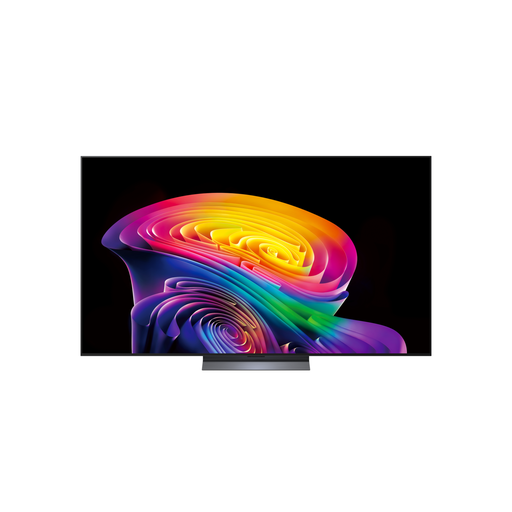 Image unavailable
LG OLED42C68LA 42-inch 4K OLED Smart TV
This 42-inch OLED is worth considering if you have limited space and value viewing from different angles.
Specifications: 42 inches, 4K Ultra HD, OLED, Smart TV, Dolby Vision and HDR10.
View at Joybuy
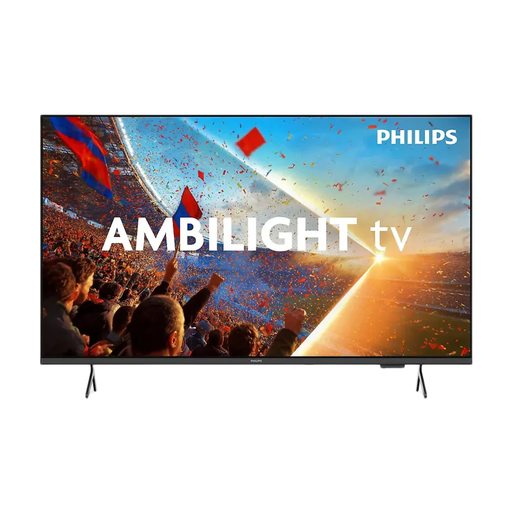 Image unavailable
Philips 55PUS8001 55-inch 4K TV
Consider this 55-inch model only if your available space and viewing distance can accommodate the larger size.
Specifications: 55 inches, 4K.
View at Joybuy
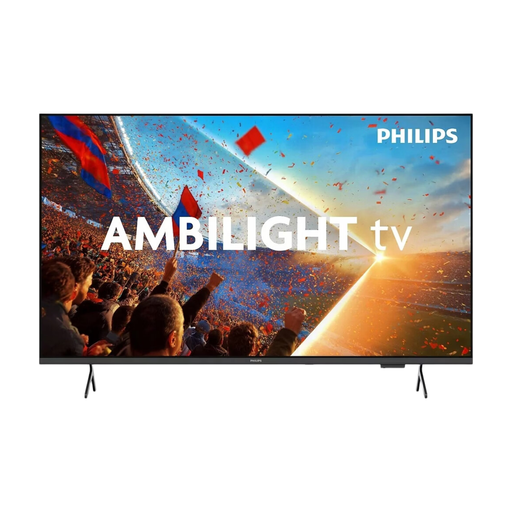 Image unavailable
Philips 43PUS8001/12 43-inch 4K TV
This 43-inch size is worth comparing if space is limited and your usual viewing spots are relatively close to the screen.
Specifications: 43 inches, 4K.
View at Joybuy
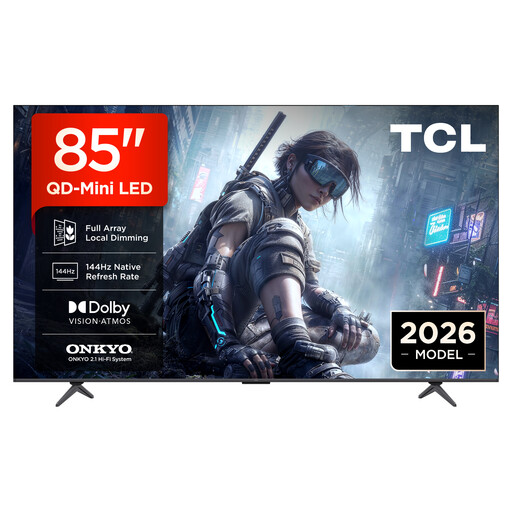 Image unavailable
TCL T8D 85-inch 4K QD-Mini LED Smart TV
This 85-inch model needs plenty of space and a suitable viewing distance, so measure carefully in advance.
Specifications: 85 inches, 4K, QD-Mini LED, 144 Hz, VRR and HDMI 2.1.
View at Joybuy
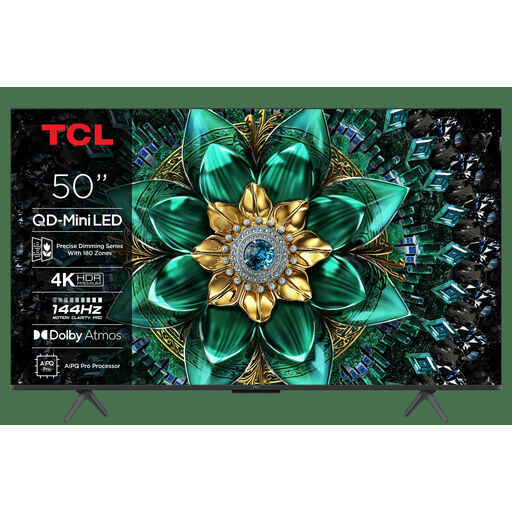 Image unavailable
TCL 50Q6C 50-inch QD-Mini LED TV
If you’re considering a QD-Mini LED TV, compare this 50-inch size with your available space and viewing distance.
Specifications: 50 inches, QD-Mini LED, 4K HDR.
View at Joybuy
Frequently asked questions
How do you choose a screen size if you sometimes watch at the table and sometimes from closer up?
First, measure the distance from the spot where you most often watch attentively, then check that you can follow the details from your other viewing position too. The Consumers’ Association suggests that a viewing distance of around 2.4 times the screen diagonal is comfortable for many people. Use this as a starting point, not a hard-and-fast rule.
How do you adjust the picture for historical dramas?
Assess a familiar scene with light and dark areas under the lighting you normally use. Adjust the picture mode, brightness and contrast so that details remain visible in both areas; the Consumers’ Association recommends assessing the picture in your usual room lighting.
What should you consider when installing a TV in an open-plan kitchen?
Check the exact model’s dimensions, its stand or your preferred wall mount, and the position of the connections. From your actual viewing spots, check whether windows are reflected in the screen; the room’s name alone won’t determine where the TV should go.
How do you compare TVs’ energy consumption?
Compare the EU energy labels for the exact models, including consumption in kWh per 1,000 hours and the separate HDR information. The European Commission explains these details on the energy label for electronic displays. Your actual costs depend on how many hours you use the TV, its settings and your electricity tariff.
Does the manufacturer’s warranty cover everything in the Netherlands?
No. According to ACM ConsuWijzer, statutory guarantees apply alongside any manufacturer’s or retailer’s warranty. If a product breaks sooner than you could reasonably expect under normal use, the retailer is responsible for providing an appropriate solution; there’s no fixed period that applies to every TV.


