
Daytime viewer
You often watch during the day and want to know how windows or kitchen lighting affect the picture. The Consumers’ Association highlights brightness and reflections as factors to consider when choosing.


Start by watching from your usual spots and assessing reflections, viewing angles and the space available. The Consumers’ Association says LCD can be a practical starting point in bright daylight, while OLED is worth comparing if deep blacks and viewing from different angles matter more to you. Also measure the viewing distance and check whether the nature programme is actually available in 4K or HDR.
You often watch during the day and want to know how windows or kitchen lighting affect the picture. The Consumers’ Association highlights brightness and reflections as factors to consider when choosing.
You want to follow the programme from several spots, so you’re considering the viewing angle and distance from each one. The Consumers’ Association identifies viewing angle as one of the differences to assess between TVs.
You pay attention to dark scenes and fine details, but also want to weigh picture contrast against the ambient light and the quality of the stream available.
Best for frequent daytime viewing in a bright kitchen-diner, when visibility in your room’s lighting is the priority.
Bear in mind brightness, black levels, viewing angle and reflections vary by model; the technology name alone doesn’t tell you how well a TV performs.
Best for watching in manageable ambient light, if deep blacks and viewing from different angles are important to you.
Bear in mind an LCD TV may be brighter in direct light; prolonged use with a static image is another factor to consider.
| What to consider | What to look for | Who it matters to |
|---|---|---|
| Daylight and reflections | Assess the screen in similar lighting conditions and consider where windows and lamps are in relation to the screen and your viewing position. | If I watch during the day, I want to follow the programme from my seat without distracting reflections. Around 29% of consumers prioritise visibility in daylight. |
| Viewing angle | Compare the exact model from the spots you plan to use at the table and in the kitchen, not just from directly in front of the screen. | If I switch between sitting and standing, I want to be able to enjoy the picture from both spots. Around 23% of consumers prioritise viewing from different angles. |
| Screen size and space | Measure both viewing distances and the available width and height; allow for the stand if the TV will sit on a unit. | If the distance from the table differs from the distance in the kitchen, I’m looking for a size that also fits the chosen spot. Around 18% of consumers prioritise choosing the right screen size. |
| Contrast and source quality | Compare the picture with nature footage and check whether the service and specific programme are available in 4K or HDR. | If I watch a lot of dark scenes and landscapes, I want to know how much detail both the screen and the stream can show. Around 18% of consumers prioritise contrast and picture quality for nature programmes. |
| Energy consumption | Compare the consumption in kWh per 1,000 hours on the energy label and also check the separate HDR information. | If I watch regularly, I want to compare suitable models’ energy consumption on a like-for-like basis. Around 12% of consumers prioritise consumption and running costs. |
These are types of LCD, but brightness, viewing angle and reflections vary from one TV to another. The technology name alone doesn’t tell you how the screen will perform from your viewing spots.
Compare information about the exact model and assess the screen from the places where you watch.
Viewing distance, physical dimensions and the programme’s resolution are separate factors. A 4K screen won’t automatically turn a lower-resolution stream into native 4K.
Measure the distances and the space where the TV will go, then check the available streaming quality. The Consumers’ Association suggests a viewing distance of around 2.4 times the screen diagonal as comfortable for many people, but use this as a starting point rather than a fixed rule.
The energy label also shows consumption per 1,000 hours and HDR information. A commercial warranty is separate from your statutory rights with the retailer.
Compare consumption on the same basis and read the warranty terms alongside information about your statutory rights.
The Dutch product information for the TCL 55C6K describes a QD mini-LED model for those looking to assess an LCD alternative.
The LG OLED55C68LA is a 55-inch OLED model to compare if contrast and viewing from different angles matter to you.
The BRAVIA 5 range includes a 55-inch mini-LED model with Google TV.
According to Philips, the MLED910 range combines QD mini-LED with Ambilight.
The Dutch product information describes the 75-inch QE75QN90FATXXN as a Neo QLED mini-LED model.
This selection includes LCD, QLED and mini-LED TVs in a range of screen sizes. Compare the size with your viewing distances and assess brightness, reflections and viewing angle for each model.
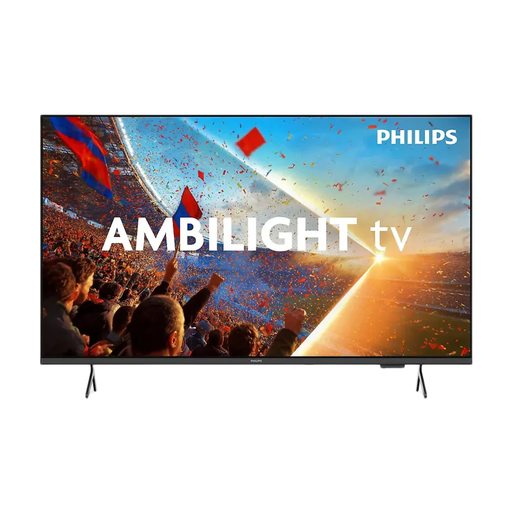 No image available
A 55-inch model to compare if this screen size suits your viewing distance and available space.
The product description lists LED-LCD, 4K UHD, HDR10+/HLG, an ambient light sensor, Titan OS and streaming apps.
60 Hz is also listed; check whether the available programmes and streaming quality suit what you want to watch.
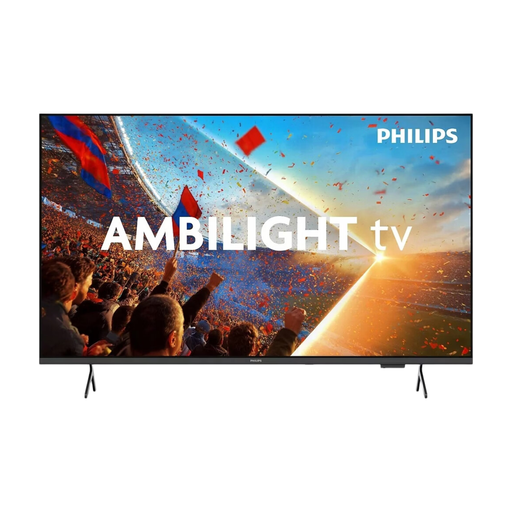 No image available
A 43-inch model to include in your comparison if space is limited; remember to measure the viewing distance too.
The product description lists LED-LCD, 4K UHD, HDR10+/HLG, an ambient light sensor, Titan OS and streaming apps.
60 Hz is also listed; check whether the available programmes and streaming quality suit what you want to watch.
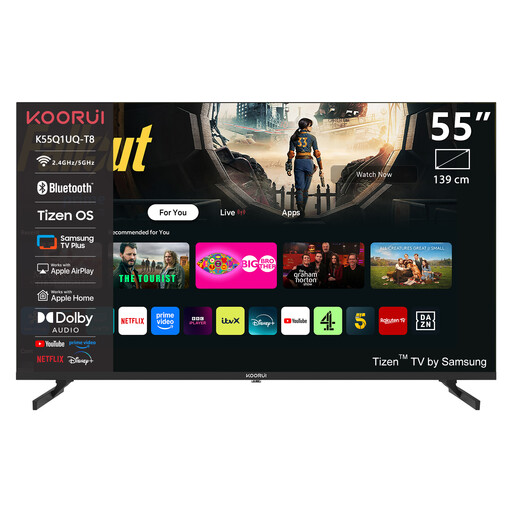 No image available
A 55-inch QLED model to compare if you’re looking for this size and smart TV features.
The title lists 4K, QLED and Tizen; the product description mentions quantum dot colour technology, access to streaming services and Dolby Audio.
Assess reflections and the viewing angle of the exact model from your own viewing spots.
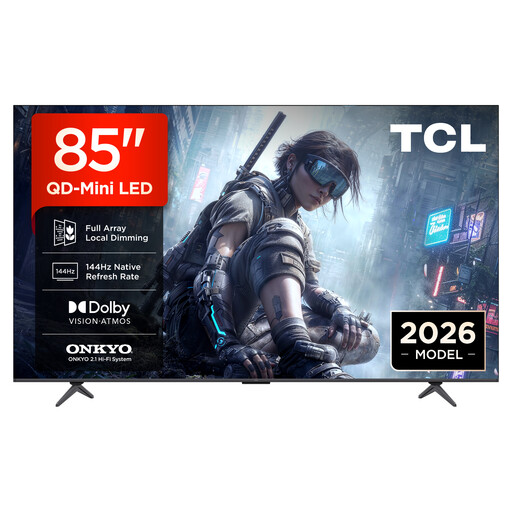 No image available
With this screen size, it’s especially important to measure the viewing distance and space available for installation before considering this model.
The product description lists QD-Mini LED, Google TV, Dolby Vision, HDR10 and an Onkyo 2.1 sound system.
The title lists 144 Hz, FreeSync Premium, VRR and HDMI 2.1; check whether these features are relevant to how you’ll use the TV.
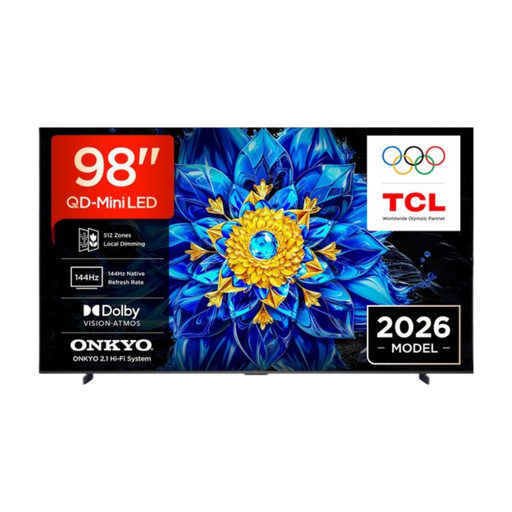 No image available
Measure the available space and viewing distance carefully: at 98 inches, the physical size is a key factor when it comes to finding a place for this TV.
The product description lists QD-Mini LED, 4K, Google TV, Dolby Vision, HDR10, 100 Hz and VRR.
Check that the chosen position works from both the kitchen and the dining table.
Measure both viewing distances and the space available. The Consumers’ Association suggests a viewing distance of around 2.4 times the screen diagonal as comfortable for many people. Use this as a guide and, if possible, assess nearby screen sizes from both spots too.
A 4K screen won’t automatically show native 4K detail: the specific programme and the stream being delivered must also be available in 4K. Check what your service offers and any subscription terms.
The energy label for televisions includes consumption in kWh per 1,000 hours and separate HDR information. This can help you compare TVs, but it isn’t a personal annual bill: your viewing time and energy tariff also affect the final cost.
In the Netherlands, the retailer is responsible under the statutory guarantee if a product doesn’t meet the terms of the agreement. The Authority for Consumers and Markets (ACM) explains that this may mean a free repair or replacement, and sometimes a refund; a manufacturer’s warranty doesn’t replace these rights.
For a standard online purchase of a new TV, ACM ConsuWijzer says you generally have a statutory cooling-off period of up to 14 days after delivery. Check in advance for information about any applicable exceptions and the returns procedure.