
Groups with seats spread across the room
You watch with others from a wide sofa or seats to the side. So check how the picture looks from the seats at the edges too; Consumentenbond highlights viewing angle as a factor when choosing a TV.


Don’t choose based on screen technology alone: start with the seats at the sides, the amount of daylight and your viewing distance. According to Consumentenbond, OLED generally offers a wider viewing angle and deeper blacks. In a bright room, it’s also worth comparing bright LCD or mini-LED models and checking how much each TV reflects. Choose a screen size to suit your actual viewing distance, and check how clearly voices come through as well as the EU energy label.
You watch with others from a wide sofa or seats to the side. So check how the picture looks from the seats at the edges too; Consumentenbond highlights viewing angle as a factor when choosing a TV.
You often watch during the day and want to enjoy nature footage without distracting reflections. Compare the brightness and reflections of the individual TVs; Consumentenbond takes reflections into account when assessing TVs.
You want to hear the narration clearly, while also choosing a suitable screen size and considering energy use. Consumentenbond highlights speech clarity as a factor to consider, while the European Commission explains the energy label for electronic displays.
Start with the seating and the light in your room. Then choose a screen size and check the sound, controls and energy use.
| Factor to consider | What to look for when buying | Who should prioritise this? |
|---|---|---|
| Picture from seats at the side | View the exact model from the seats at the edges and weigh this against its brightness in daylight. | If I watch with others from different seats, I want to be able to follow the picture from the side too. Around 28% of consumers count side viewing as their main buying concern. |
| Light, reflections and contrast | Compare brightness, reflections and dark scenes in the lighting you use at home; don’t judge by OLED, QLED or mini-LED alone. | In a bright room, I want to enjoy nature footage without reflections getting in the way. For consumers who put light and contrast first, this is their main buying concern; they make up around 22%. |
| Screen size and viewing distance | Measure the distance from your usual seats. Consumentenbond suggests dividing the distance by 2.4 as a starting point for the screen diagonal in centimetres, not as a fixed rule. | I want the screen size to suit the distance between my seats and the TV, rather than automatically choosing the biggest option. Around 22% of consumers choose a size based on their viewing distance. |
| Narration and controls | Assess speech clarity separately from the picture specifications; check the connections if you plan to use existing external audio equipment. | When watching together, I want to hear the narration clearly and find the TV practical to use. For consumers who prioritise speech clarity and controls, this is the main consideration; they make up around 17%. |
| Energy use and overall costs | Compare the SDR and HDR information on the EU energy label for the models you’re considering. The European Commission shows energy consumption in kWh per 1000 hours. | I want a screen size that suits my setup and also keep an eye on energy use. Around 11% of consumers put energy consumption and overall costs first. |
General differences in viewing angle between OLED and LCD won’t tell you exactly how the TV you choose will look from your side seats.
Before choosing a screen technology, check the picture from the seats at the edges and in the lighting you normally use.
The right screen size depends on your viewing distance. So a larger screen isn’t automatically the right choice for a shared space.
Measure the distance from your usual seats and compare screen sizes around Consumentenbond’s recommended guideline.
The Dutch government (Rijksoverheid) points out that if a product has a problem, you should contact the retailer about your statutory warranty, not the manufacturer.
Before paying for an additional warranty, compare what it actually covers.
QLED and mini-LED are types of LCD; picture quality, reflections and sound vary from one TV to another.
Compare information for the full model code rather than relying on OLED, QLED, mini-LED or a product-line name alone.
The OLED evo C6 range is an OLED option to consider if you have a wide seating area and 4K smart features matter to you.
The C8K range offers a mini-LED and LCD option to include in your comparison for a bright shared space.
The OLED810 range combines OLED with Ambilight, a feature to consider if ambient lighting matters to you too.
BRAVIA 7 is a mini-LED option to compare with OLED if you’d like to consider an LCD alternative.
Below are LG OLED TVs in a range of screen sizes, for anyone considering OLED for shared viewing from different seats.
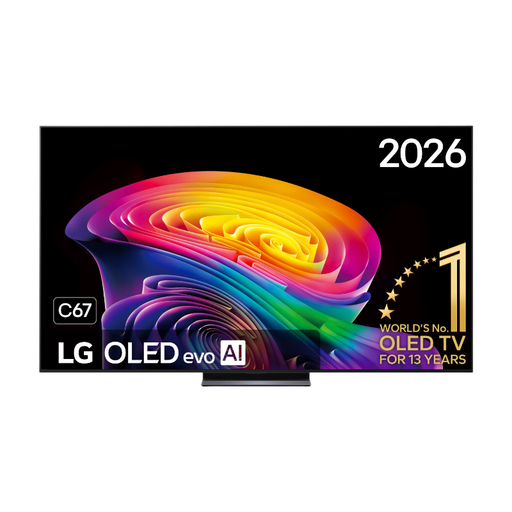 Image unavailable
According to Consumentenbond, OLED generally offers a wider viewing angle; check this model from the seats at the side of your room too.
83-inch 4K OLED screen; webOS.
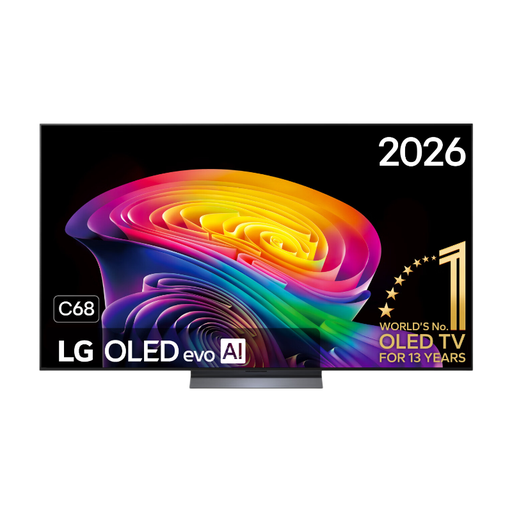 Image unavailable
According to Consumentenbond, OLED generally offers a wider viewing angle; check the picture from the seats you use at home.
65-inch 4K OLED screen; webOS 26.
Image unavailable
According to Consumentenbond, OLED generally offers a wider viewing angle; compare the screen size with the distance from your seats.
55-inch 4K OLED screen; webOS 26.
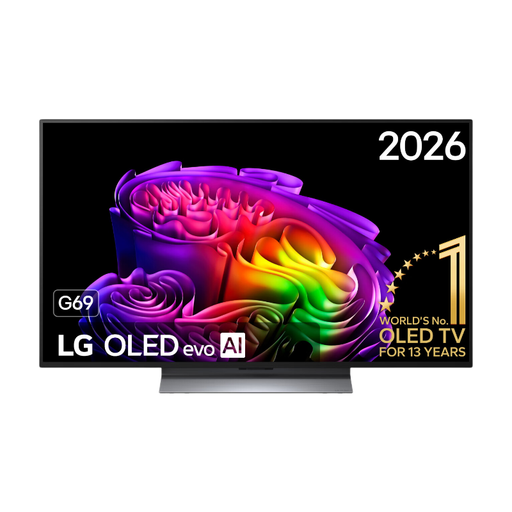 Image unavailable
According to Consumentenbond, OLED generally offers a wider viewing angle; check that the screen size suits your viewing distance.
48-inch 4K OLED screen; webOS 26.
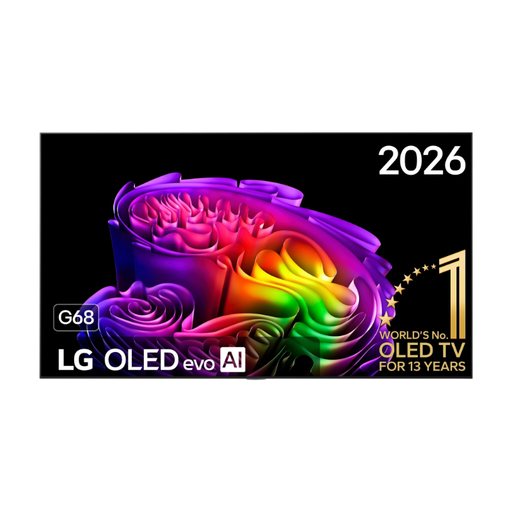 Image unavailable
According to Consumentenbond, OLED generally offers a wider viewing angle; also check for reflections given the light in your room.
55-inch 4K OLED screen; webOS 26. According to the product description, a table-top stand isn’t included; check what you’ll need to mount the TV in your setup.
Measure the distance from your usual seats and divide it by 2.4 as a starting point for the screen diagonal in centimetres. Consumentenbond presents this as a guideline; also compare screen sizes just above and below the result.
Test speech using a representative clip, and check the controls and connections if you want to use external audio. Consumentenbond assesses speech clarity separately; screen specifications alone don’t tell you how clear the sound will be.
Compare the EU energy labels for the exact models, including the information for SDR and HDR. The European Commission shows energy consumption in kWh per 1000 hours; your actual electricity costs also depend on usage, settings and your electricity tariff.
According to the Dutch government (Rijksoverheid), you should contact the retailer to claim under your statutory warranty, not the manufacturer. An additional manufacturer’s or paid warranty doesn’t replace your statutory rights.
ACM ConsuWijzer says that for a new TV bought online, you generally have a statutory cooling-off period of up to 14 days after delivery. The applicable terms and exceptions still apply, so check them before you buy.