What should you look for when choosing?
First, assess the picture from the seats your housemates actually use. Then consider the light in the room, and choose a screen size to suit the viewing distance and space available.
| What to consider |
What should you look for? |
Who is this most important for? |
| Viewing from different seats |
Compare the viewing angle and reflections from the seats at either end. |
If housemates often watch from an angle, you’ll want the picture to remain comfortable to watch from those seats; around 31% of consumers put viewing from side seats first. |
| Contrast and detail |
Watch both dark and bright scenes on the model, and check whether your preferred documentary is available in 4K. |
If you care most about shadows, blacks and fine detail in nature footage, you’ll want to assess those scenes for yourself; around 25% of consumers put contrast and detail first. |
| Daylight and reflections |
Check for windows, lamps and reflections, and assess brightness in the room where you’ll use the TV. |
If you often watch during the day, you’ll want the picture to remain visible in the available light without overlooking your housemates’ viewing angles; around 25% of consumers make daytime visibility their top priority. |
| Screen size and shared costs |
Measure the viewing distance and available space, then compare the dimensions and energy labels of the models. |
If you share the living room and the cost, you’ll want a screen size that fits the space and gives you a basis for weighing up the cost together; around 19% of consumers put space and shared costs first. |
The percentages show which priority comes first in this shared-room situation; they are not survey results. The Consumentenbond gives around 2.4 times the screen diagonal as a guide to viewing distance, not a hard-and-fast rule.
TVs at Joybuy
This selection includes LG OLED TVs in various sizes and a 55-inch Hisense LED TV. Compare the screen size with your viewing distance, and consider whether OLED suits the seating and viewing habits in your shared living room.
 No image available
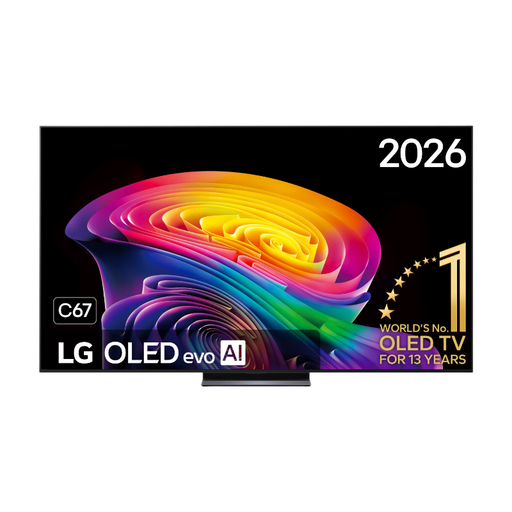
LG OLED83C67LA 83-inch OLED Evo AI C6 4K Smart TV
OLED is worth comparing if your housemates watch from different seats; check whether the 83-inch size suits your viewing distance and available space.
83 inch; OLED; 4K; Smart TV.
View at Joybuy
 No image available
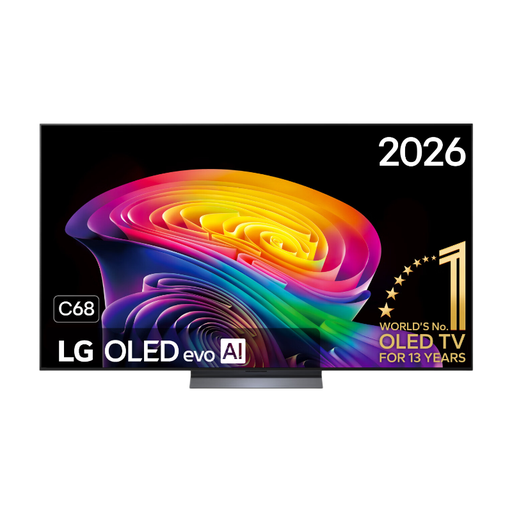
LG OLED65C68LA 65-inch OLED Evo AI C6 4K Smart TV
OLED is worth comparing if several housemates watch from an angle; measure the viewing distance to see whether a 65-inch screen will suit your shared space.
65 inch; OLED; 4K; Smart TV.
View at Joybuy
No image available
LG OLED55C68LA 55-inch OLED Evo AI C6 4K Smart TV
OLED is worth comparing if not everyone sits directly in front of the screen; measure the space and viewing distance before choosing a 55-inch model.
55 inch; OLED; 4K; Smart TV.
View at Joybuy
 No image available
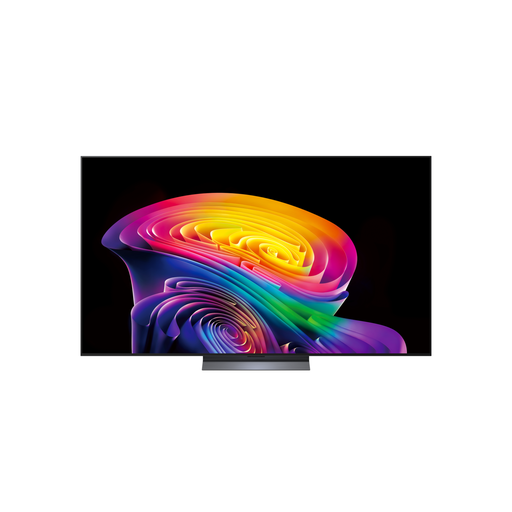
LG OLED42C68LA 42-inch 4K Ultra HD OLED Smart TV
The 42-inch size is worth comparing if space is limited; also assess the OLED picture from the seats your housemates use.
42 inch; OLED; 4K Ultra HD; Smart TV.
View at Joybuy
 No image available
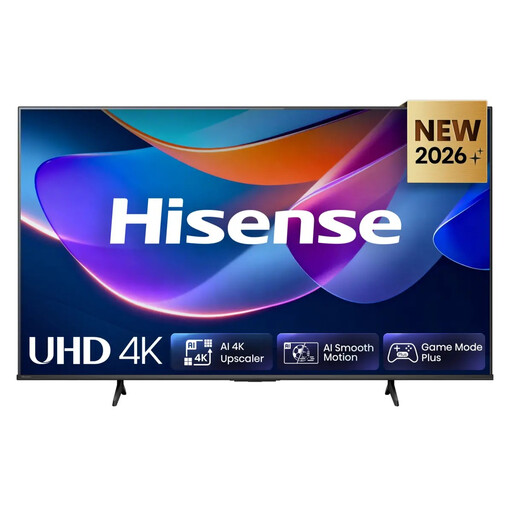
Hisense 55A6S 55-inch 4K UHD Smart TV, LED
This LED model is an alternative to compare if you’d like to look at an LCD-type TV as well as OLED; assess the picture from the seats you use and in your usual daylight conditions.
55 inch; 4K UHD; Smart TV; Energy rating E.
View at Joybuy
Frequently asked questions
Is 4K essential for nature documentaries?
No, 4K isn’t essential in itself. According to the Consumentenbond, the extra detail depends on whether 4K source material is available, and the difference from Full HD isn’t always easy to see. Check which version is available before making 4K the deciding factor.
How do you adjust the picture for daytime and evening viewing?
Adjust the picture with the lighting you usually have on in the room, and check that details remain visible in both bright and dark areas. The Consumentenbond warns that changing the picture settings can sometimes increase energy use.
Where can you check a TV’s energy consumption?
Check the energy label and product information sheet for the exact model. The Dutch government lists TVs among the appliances that must carry an energy label; EU rules for electronic displays require additional product information.
Are you only entitled to a two-year TV guarantee in the Netherlands?
No, your statutory guarantee isn’t automatically limited to two years. According to ACM ConsuWijzer, statutory guarantee is separate from a manufacturer’s or retailer’s guarantee, and your entitlement depends on what you could reasonably expect from the product under normal use. If a product is faulty, the retailer is responsible for providing an appropriate solution at no cost.


