
Daytime documentary viewer
You often watch when daylight or kitchen lighting reaches the screen. Compare the brightness and reflections of the specific model; RTINGS.com considers both important factors.


If you watch from both the sofa and the kitchen, compare each model’s reflections and viewing angle. The panel label alone won’t tell you how the picture looks from your usual viewing positions. According to RTINGS.com, mini-LED is often a sensible choice for a bright room, while OLED is generally better for watching in a dark room. Also measure your viewing distance and assess speech clarity separately.
You often watch when daylight or kitchen lighting reaches the screen. Compare the brightness and reflections of the specific model; RTINGS.com considers both important factors.
You move between the sofa and the kitchen and want to know how the picture looks from a position off-centre. RTINGS.com describes viewing angle in terms of changes in picture quality when watching from the side.
You mainly watch in subdued lighting and care about dark scenes and colour, while also bearing in mind the light in the room at other times. RTINGS.com describes OLED as generally better for a dark viewing environment.
Start by comparing the light and viewing positions in your own room. RTINGS.com assesses reflection handling and viewing angle as separate features that can vary between models; the panel type alone won’t tell you how a TV performs in these areas.
When: Compare this option if you watch during the day or often have the kitchen lights on.
Trade-off: RTINGS.com often recommends mini-LED for a bright room, but you’ll need to assess reflections and viewing angle for the specific model.
When: Compare OLED if you mainly watch nature documentaries with dark scenes in subdued lighting.
Trade-off: RTINGS.com generally describes OLED as better for a dark viewing environment. That doesn’t automatically tell you how a model handles incoming light or reflections.
When: Consider this option if screen size, connections and mainly watching from directly in front are important to you.
Trade-off: The Consumentenbond explains that QLED doesn’t automatically mean mini-LED, so the label alone doesn’t confirm how a TV performs in bright light or when viewed from an angle.
| Factor | What should you look for? | Who should pay particular attention? |
|---|---|---|
| Visibility in bright conditions | Compare model tests for both brightness and reflections; check where windows and kitchen lights appear on the screen. | If I watch during the day, I want to follow the picture without reflections hiding details. Around 31% of consumers prioritise visibility in daylight or under kitchen lighting. |
| Picture from the kitchen | Look up the measured horizontal viewing angle for the exact model code and consider where the screen will be positioned. | If I want to keep watching while I cook, I want to know how colour and brightness change when I’m not sitting directly in front of the TV. Around 25% of consumers give viewing angle top priority. |
| Dark scenes and colour | Compare tests for viewing in both bright and dark rooms; also check whether your documentary source offers HDR or 4K. | If I mainly watch nature documentaries in the evening, I want to see dark scenes clearly without overlooking the daylight in the room. Around 19% of consumers make performance in subdued lighting their main priority. |
| Clear dialogue | Look for an assessment of speech clarity; check whether the exact model has HDMI ARC/eARC if you’re considering external audio. | If there’s background noise while I’m watching, I want to follow the narration without using the wattage rating as a guide. Around 13% of consumers prioritise clear speech. |
| Screen size and viewing distance | Measure the distance from both the sofa and the kitchen, and check the external dimensions including the stand. The Consumentenbond suggests around 2.4 times the screen diagonal as a starting point for viewing distance. | If my seating and viewing positions are different distances from the screen, I want to choose a size that suits the room. Around 12% of consumers start by considering screen size and available viewing distance. |
The panel label doesn’t tell you how a specific screen handles reflections from a kitchen window or viewing from the side.
Check the reflection and viewing-angle results for the exact model code, then compare them with the light and viewing positions in your room.
A stated wattage on its own doesn’t tell you how easy it is to follow dialogue or voice-over. The Consumentenbond highlights differences in TV sound and points out that even small soundbars don’t always sound good.
Look for an assessment of speech clarity and check the TV model’s audio connections before choosing external audio.
A soundbar is a separate purchase; adding one also means you’ll need extra space by the TV.
The picture quality you actually see also depends on the documentary source and, when streaming, the title available and your subscription.
Check the resolution offered for each documentary and the terms of your own service before paying extra for a feature or subscription tier.
A different subscription may be needed for certain streaming quality.
The Consumentenbond describes the TCL 55C79L as a 55-inch mini-LED LCD model with 4K and HDMI ARC/eARC.
The Consumentenbond describes the LG OLED55C68LA as a 55-inch OLED TV with Dolby Vision and HDMI ARC/eARC.
The Consumentenbond describes the QE55QN72H as a 55-inch Neo QLED mini-LED model with 4K.
Sony Netherlands lists the BRAVIA 5 K55XR52BP.CEI as a 55-inch mini-LED and Google TV model.
Philips describes the 55MLED910/12 as a 55-inch QD mini-LED TV with Ambilight and Dolby Vision.
This selection includes LG OLED TVs in a range of sizes and an 85-inch TCL QD mini-LED TV. Compare the screen size with the space you have and the distance from both viewing positions.
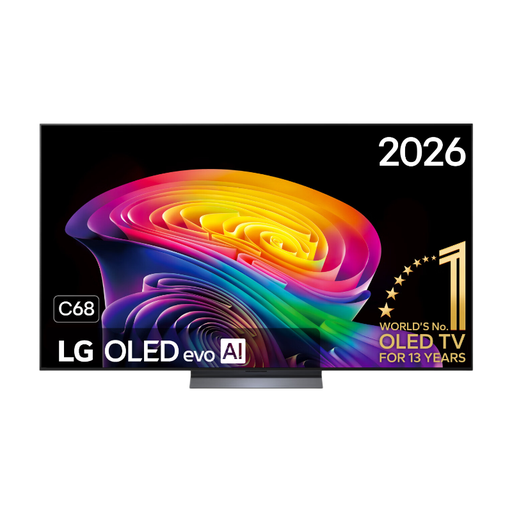 No image available
An OLED option if you’re looking for a 65-inch screen and have room for one of this size.
65 inches, OLED, 4K and Dolby Vision.
No image available
A 55-inch OLED option to compare if this size suits your viewing distance and available space.
55 inches, OLED, 4K and Dolby Vision.
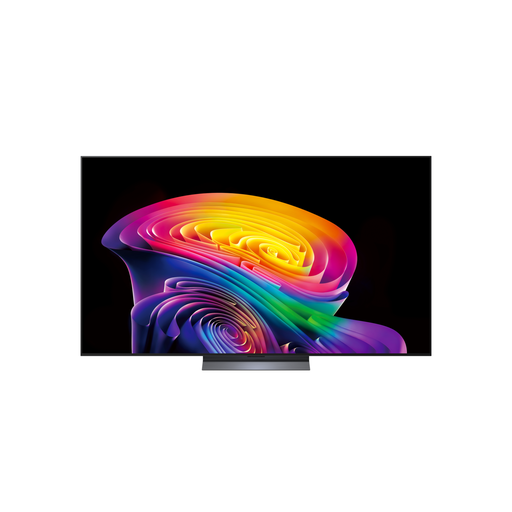 No image available
A smaller OLED option to consider if it’s a better fit for your available space or viewing distance.
42 inches, 4K OLED, Dolby Vision and HDMI 2.1.
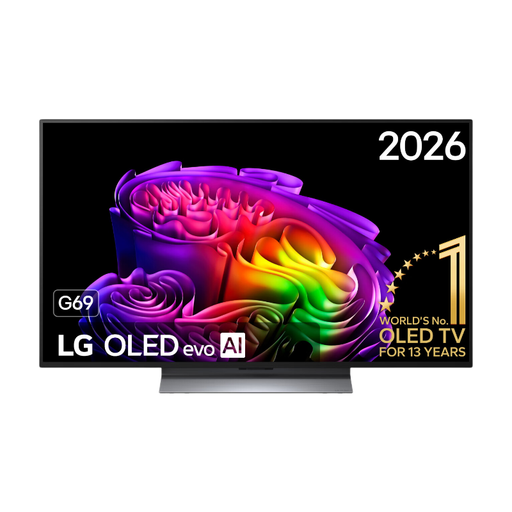 No image available
A 48-inch OLED option to compare with the measured distances from your sofa and kitchen.
48 inches, OLED, 4K and Dolby Vision.
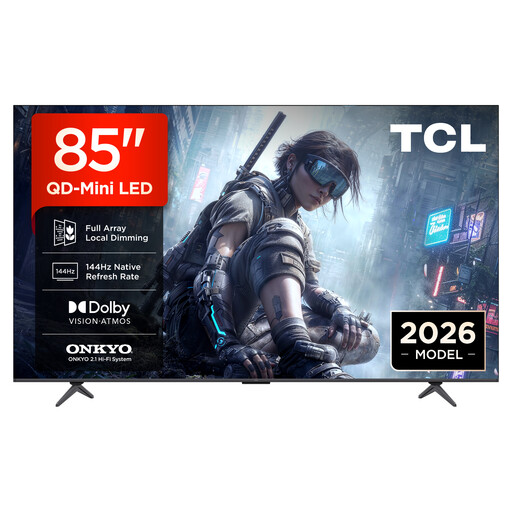 No image available
Consider this mini-LED option only if an 85-inch screen suits the room and your viewing distances.
85 inches, 4K QD-Mini LED, Dolby Vision, HDR10+ and HDMI 2.1.
That depends on both viewing distances and the viewing angle of the model you choose. The Consumentenbond suggests around 2.4 times the screen diagonal as a starting point for a comfortable viewing distance, not a fixed rule. Also check the external dimensions including the stand and how the picture looks from the side.
Leave enough space around the TV for ventilation and follow the instructions for your chosen model. LG recommends applying a small amount of water to the cloth when cleaning, not directly to the screen.
No. The documentary source must also offer that picture quality; when streaming, the title and your subscription terms may also matter. Check these before paying extra for a feature or subscription tier.
Compare the energy information for the exact model, including its SDR and HDR figures. According to the Dutch government, online purchases from a business often come with a 14-day cooling-off period. If a product is faulty, you can assert your statutory rights with the seller; the cooling-off period and your rights when something is faulty are separate matters.