
Daytime viewers
You mostly watch during the day, with windows or lamps near the screen, and want to follow animals and landscapes without distracting glare.


For watching nature documentaries in a bright living room, mini-LED LCD is a sensible option to consider if daylight is your main concern. OLED may suit you better if deep blacks and viewing from the side matter more. RTINGS often describes mini-LED models as better suited to bright rooms, while Consumentenbond explains the differences in brightness, black levels and viewing angles. Neither technology guarantees that reflections will be well controlled in your room.
You mostly watch during the day, with windows or lamps near the screen, and want to follow animals and landscapes without distracting glare.
You also watch nature documentaries in the evening and care about dark scenes, colour and HDR, while still keeping your bright room in mind.
You want a screen size that suits the distance from your sofa, with a picture that still looks good from seats at an angle.
Choose this option if: you often watch during the day and a bright picture in a well-lit room is your priority. Compare the reflections and brightness of the specific model.
Trade-off: black levels and viewing angles vary by model and aren't automatically on a par with OLED.
Consider OLED if: you also often watch in dim lighting, or people sit at an angle to the screen.
Trade-off: according to RTINGS, mini-LED models are often a better choice for very bright rooms. So check how the specific OLED model handles reflections in your room.
Compare this option if: the size you want or other model features are important, and test results suit the lighting in your room.
Trade-off: the QLED label alone doesn't tell you whether a model has mini-LED backlighting. Check the specifications of each model.
| What to consider | What to look for | Who it's most relevant to |
|---|---|---|
| Daylight and reflections | Compare brightness and reflection test results for the exact model, and consider where the windows and lamps are in your room. | If I watch during the day and a window could be reflected in the screen, I want to assess reflections as well as brightness. Around 36% of consumers put daylight and reflections at the top of their list. |
| Contrast, colour and HDR | Look at model-specific contrast and colour tests, and check whether your streaming service offers the HDR format. | I want to make out both bright landscapes and dark scenes in nature documentaries. Around 29% of consumers give contrast, colour and HDR the highest priority. |
| Screen size and viewing angle | Measure your viewing distance and assess the viewing angle from the seats furthest to the sides. | If people watch from different seats, I want the screen size and picture to work well from all of them. Around 21% of consumers prioritise screen size and viewing angle. |
| Power consumption and after-sales service | Compare the EU energy label for SDR and HDR, and check the seller's terms for after-sales service. | I want to compare power consumption and know what service terms apply. This is the main purchasing concern for around 14% of consumers. |
A window reflecting directly in the screen can still be distracting, even when the picture is bright.
Compare both brightness and reflection test results for the exact model, and consider the position of windows and lamps in your room.
Backlighting and reflection handling vary between TVs. A panel type doesn't automatically tell you how a model will perform in your room.
Assess specific models for your lighting conditions, and consider both OLED and LCD.
HDR performance also depends on the source and on which formats are supported by both the TV and the streaming service.
Check the HDR format used by your viewing source, and look at tests of the TV with HDR content.
A commercial service plan is separate from the statutory guarantee you have with the seller.
Check what extra cover the plan provides and compare it with your statutory rights. ACM ConsuWijzer explains the statutory guarantee.
The BRAVIA 9 II is an RGB LED option to consider if brightness and colour reproduction matter when watching in a bright room.
The QN90F is a mini-LED LCD option to consider if you watch during the day.
LG's OLED G5 range in the Netherlands is worth considering if black levels and viewing from the side matter, as well as daytime viewing.
The 65MLED920/10 is a QD mini-LED option to weigh up if you also want to factor Ambilight into your choice.
The 75Q6C is a large-screen mini-LED LCD model to consider if a 75-inch screen suits your room and viewing distance.
These mini-LED LCD models are options to compare for watching nature documentaries in a bright living room. For each version, also consider its size, supported HDR sources and the distance from your seating position.
 No image available
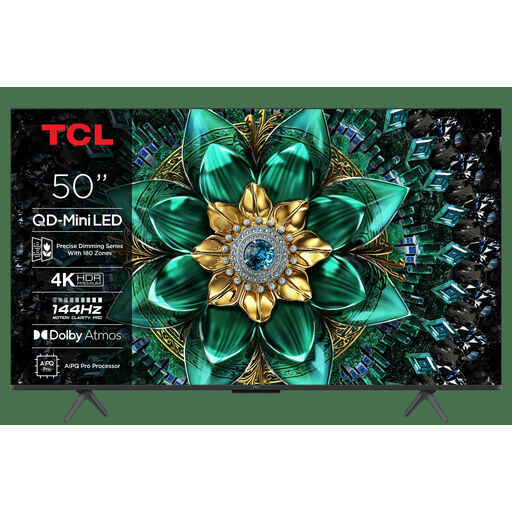
A 50-inch mini-LED model to compare with your viewing distance and the amount of daylight in your room.
 No image available
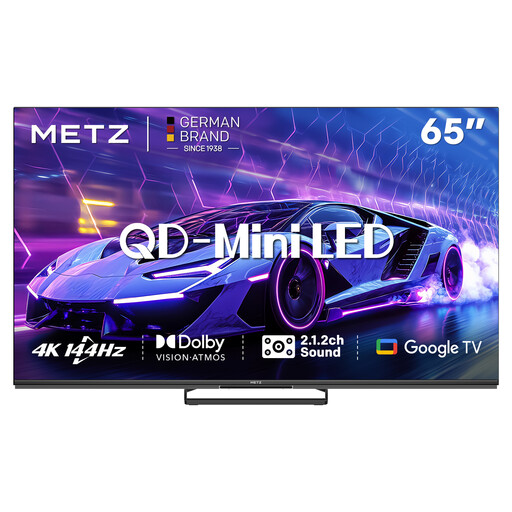
A 65-inch model to assess against your viewing distance and the position of windows and lamps.
 No image available
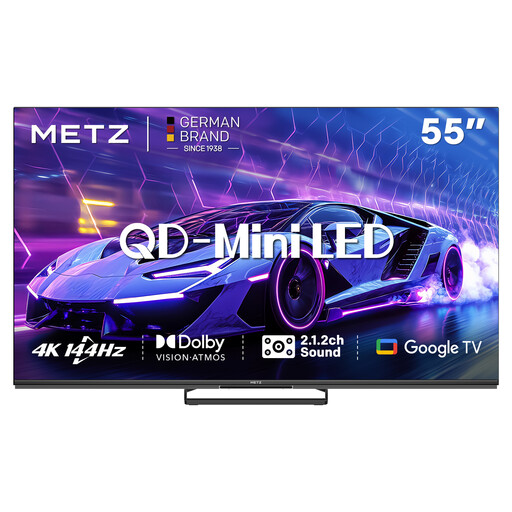
A 55-inch model to compare with the distance from your sofa and the space available.
 No image available
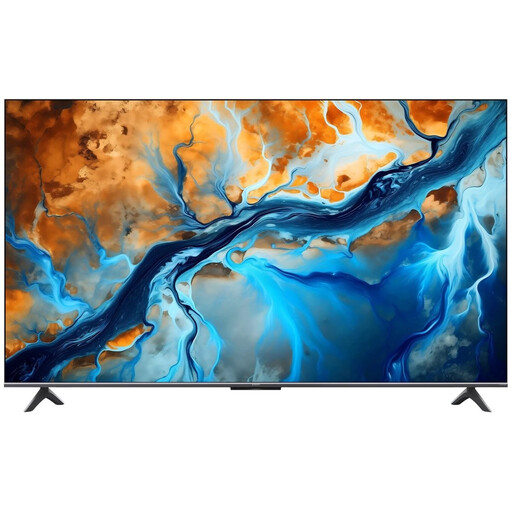
A 55-inch mini-LED model to compare if you watch 4K documentaries and want to factor Google TV into your choice.
 No image available
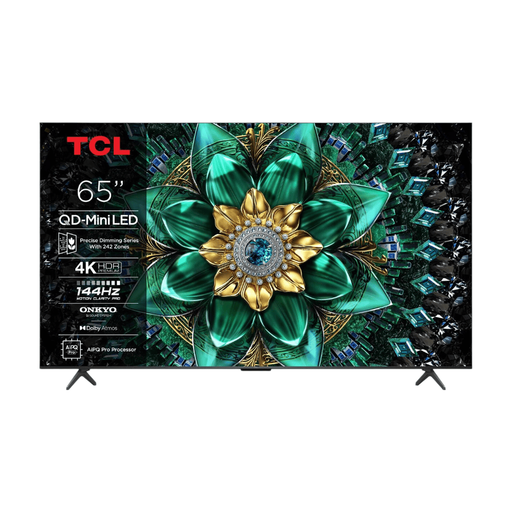
A 65-inch model to consider alongside your viewing distance; the product name specifies QD Mini LED.
Measure the distance from your usual seat to where you plan to put the TV. Consumentenbond uses the viewing distance in centimetres divided by 2.4 as a starting point for the screen diagonal in centimetres. Compare nearby sizes too, and check the space available.
To see extra detail in 4K, the source you're watching must also offer 4K. HDR processing is relevant for content with HDR information; check which HDR format is supported by both your streaming service and the TV.
Watch a familiar scene with both light and dark areas, then adjust the picture settings to suit your room. Consumentenbond warns that adjustments can sometimes increase energy consumption. Consumentenbond recommends a slightly damp microfibre cloth for cleaning; also follow the manufacturer's instructions for your model's screen coating.
According to the European Commission, the EU energy label for electronic displays shows energy consumption for SDR and HDR in kWh per 1,000 hours. ACM ConsuWijzer explains that your statutory guarantee from the seller exists alongside any commercial cover; this doesn't mean every TV has the same fixed guarantee period.
According to ACM ConsuWijzer, when you buy a new television online, you generally have a statutory cooling-off period of up to 14 days after delivery. Check in advance how the seller arranges the return of a large item and what terms apply.