
Viewers who sit close to the screen
If your sofa is close to the TV, you’ll want a screen size that’s comfortable to watch and fits on your TV stand. Consumentenbond uses around 2.4 times the screen diagonal as a guide to viewing distance.


Measure your viewing distance and the available width before choosing a screen size. A 43-inch TV may be an option, but it won’t be right for every narrow living room. Consumentenbond suggests using around 2.4 times the screen diagonal as a starting point for viewing distance. Also compare reflections and viewing angles from your seating positions, and assess picture and sound quality using the programmes and sources you watch.
If your sofa is close to the TV, you’ll want a screen size that’s comfortable to watch and fits on your TV stand. Consumentenbond uses around 2.4 times the screen diagonal as a guide to viewing distance.
If you watch landscapes during the day, look out for reflections and assess the picture where the TV will be placed. Consumentenbond highlights reflections and viewing angles as things to consider when choosing a TV.
If you don’t always sit directly in front of the screen, it’s worth checking the picture from different seats. Also consider whether dialogue is easy to follow without extra audio equipment.
First, measure the viewing distance and the space available for the TV. Then compare the picture in daylight, viewing angles and practical running costs. Consumentenbond suggests using around 2.4 times the screen diagonal as a starting point for viewing distance, not as a hard-and-fast rule.
| What to consider | What should you check? | Who should pay closer attention? |
|---|---|---|
| Screen size and available space | Measure the distance from your eyes to the screen and compare it with the screen diagonal. Also check the TV’s width and height, including its stand, against the space available. | I want the screen to be comfortable to watch from a short distance and to fit on my TV stand. Around 36% of consumers are most concerned about choosing a suitable size and having enough space. |
| Picture in daylight | Check for reflections from your seat and compare picture quality using a regular broadcast or another source you watch. A 4K or HDR label on its own doesn’t tell you how good that broadcast will look. | If I watch travel programmes during the day, I want to see landscapes clearly despite the light in the room. Around 29% of consumers prioritise a clear picture in bright conditions and across different sources. |
| Viewing angle and sound | Assess the picture from seats away from the centre, and check whether dialogue is easy to follow without a soundbar. Check for HDMI-ARC/eARC if you want to connect a compatible soundbar. | When we watch from different seats, I want the picture and dialogue to remain easy to follow. Around 21% of consumers prioritise viewing angles and clear dialogue. |
| Energy use and running costs | For models that fit, compare the energy label and the stated consumption per 1,000 hours. Also consider whether you’ll need wall mounting or extra audio equipment. | I want to factor in running costs alongside the features and installation. Around 14% of consumers focus mainly on energy use and additional running costs. |
The screen diagonal doesn’t tell you whether the whole TV will fit on your stand or be comfortable to watch from where you sit.
Measure the viewing distance and available space, and check the dimensions of the version you’ve chosen, including its stand.
A 4K label on its own doesn’t guarantee good picture quality. Consumentenbond also notes that a higher refresh rate doesn’t always deliver better results in practice.
Assess the picture using the type of programmes and source you normally watch. Take specifications into account, but don’t base your decision on them alone.
A commercial warranty is separate from the seller’s statutory responsibilities. ACM ConsuWijzer distinguishes between a seller’s warranty and your statutory rights.
Before choosing any additional cover, check what it includes and compare it with your statutory rights.
Consumentenbond describes the LG 43UA75006LA as a 43-inch LCD LED TV with 4K resolution.
Consumentenbond describes the Samsung QE48S90D as a 48-inch OLED TV.
Philips offers the 48OLED810/12 as a 48-inch OLED TV with Ambilight.
Consumentenbond describes the Sony K-50S20M2 as a 50-inch LCD LED TV with Google TV.
This selection features 43-inch TVs to compare after measuring your viewing distance and available space. The models differ in areas such as screen technology and resolution.
 Image unavailable
The 43-inch size is worth comparing if you’ve first checked how much space you have and how far away you’ll be sitting.
The product title lists QLED, 4K UHD and Google TV. HDR10+, Dolby Vision, Dolby Atmos, HDMI 2.1 and VRR are also mentioned.
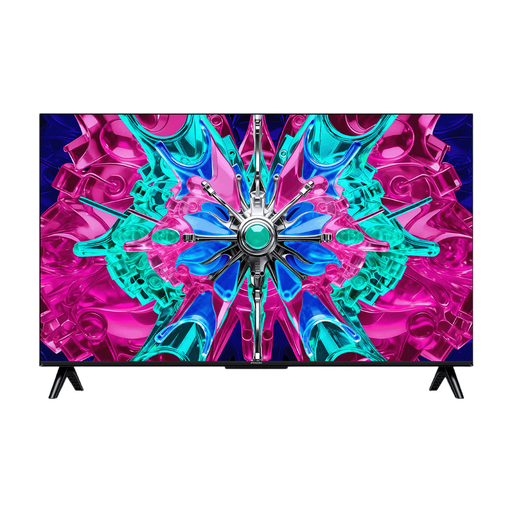 Image unavailable
The 43-inch size makes this model worth comparing for a living room with limited space, as long as your measured viewing distance and available dimensions are suitable.
The product title lists 4K LED, smart TV and 50 Hz. The product description mentions Google TV, MEMC and Dolby Audio.
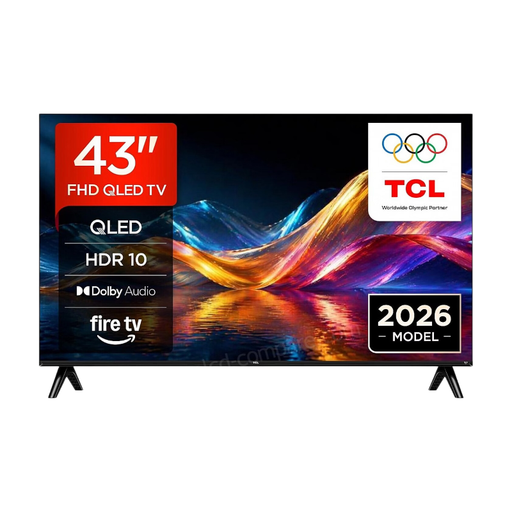 Image unavailable
The 43-inch size may be a good fit if a compact screen suits your measured viewing distance and the space available.
This model is listed as Full HD (1920 × 1080), not 4K. The title mentions QLED and 120 Hz; the product description mentions Dolby Audio.
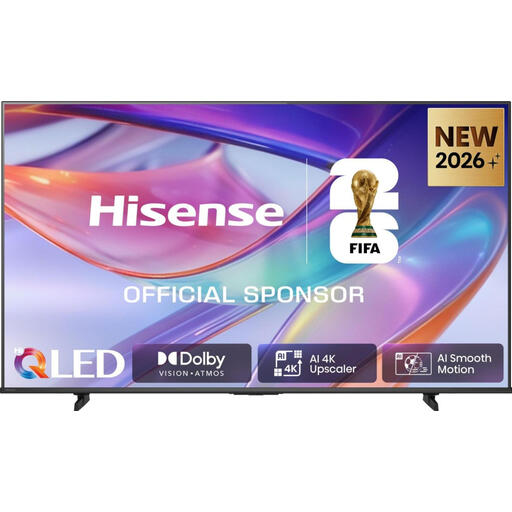 Image unavailable
This 43-inch model is worth comparing with other screen technologies once you’ve measured the available space and viewing distance.
The product title lists 4K QLED, 120 Hz and smart TV. The product description mentions Google TV, HDR10+, Dolby Vision and Dolby Atmos.
 Image unavailable
The screen size may suit a limited space, but check the dimensions and installation options for the version you’re considering.
The product information lists 4K QLED, HDR10, MEMC, Google TV and a 178° viewing angle. For wall mounting, the product description recommends professional installation.
Measure the distance from your eyes to the planned screen position at home. Consumentenbond uses around 2.4 times the screen diagonal as a starting point. Also compare nearby screen sizes and check the TV’s width, including the stand.
Not necessarily: a 4K label doesn’t guarantee good picture quality, and not every regular TV broadcast is available in 4K or HDR. Consumentenbond also notes that a higher refresh rate doesn’t always perform better in practice. Assess the picture using the source you usually watch.
Check the TV’s actual dimensions and the space available, including room for the stand or wall mounting. If you want to connect a soundbar, check that both devices support HDMI-ARC/eARC and which port to use; Consumentenbond explains these connections.
For TVs covered by EU rules, the energy label ranges from A to G. The European Commission advises that you can compare the stated consumption per 1,000 hours as well as the label rating; if you watch HDR content, check the relevant information too.
For a standard online consumer purchase, you generally have a statutory cooling-off period of up to 14 days after delivery, subject to legal exceptions. The seller is also responsible if a product doesn’t meet what you could reasonably expect under normal use; a manufacturer’s warranty doesn’t replace this statutory right. ACM ConsuWijzer explains these rights.